


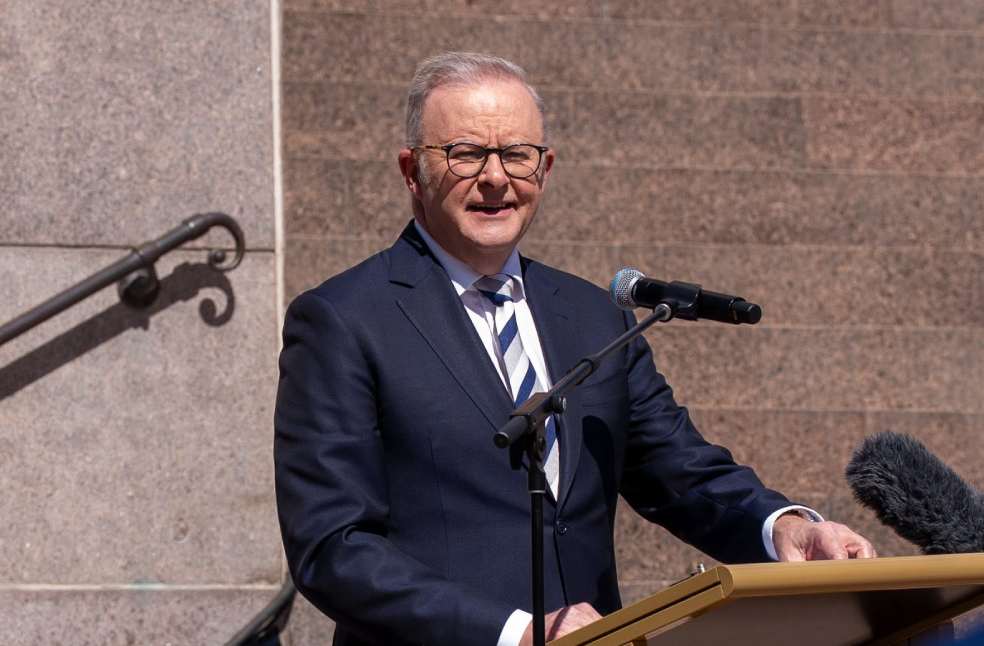
Canberra: Australian Prime Minister Anthony Albanese has issued an unequivocal apology after comments he made about pop icon Kylie Minogue during a podcast interview sparked widespread criticism from political leaders and the public.
Speaking on comedian Nikki Osborne’s Bush Deep podcast, Albanese was asked to take part in a ‘shag, marry or date’ game involving Minogue, actress Nicole Kidman and entertainer Rhonda Burchmore. Initially attempting to avoid the question by saying he had only recently married his wife, Jodie Haydon, Albanese eventually responded that, “Oh, Kylie, clearly.” When Osborne pressed further, asking if he would marry Kylie, and shag her, and date her, the prime minister replied that, “All of the above. She’s terrific.”
The exchange quickly drew criticism from across the political spectrum, with opponents arguing that the remarks were inappropriate for the country’s leader. Independent MP Zali Steggall described the comments as ‘entirely inappropriate,’ saying Albanese should have rejected the question and set a better example by calling out sexist behaviour.
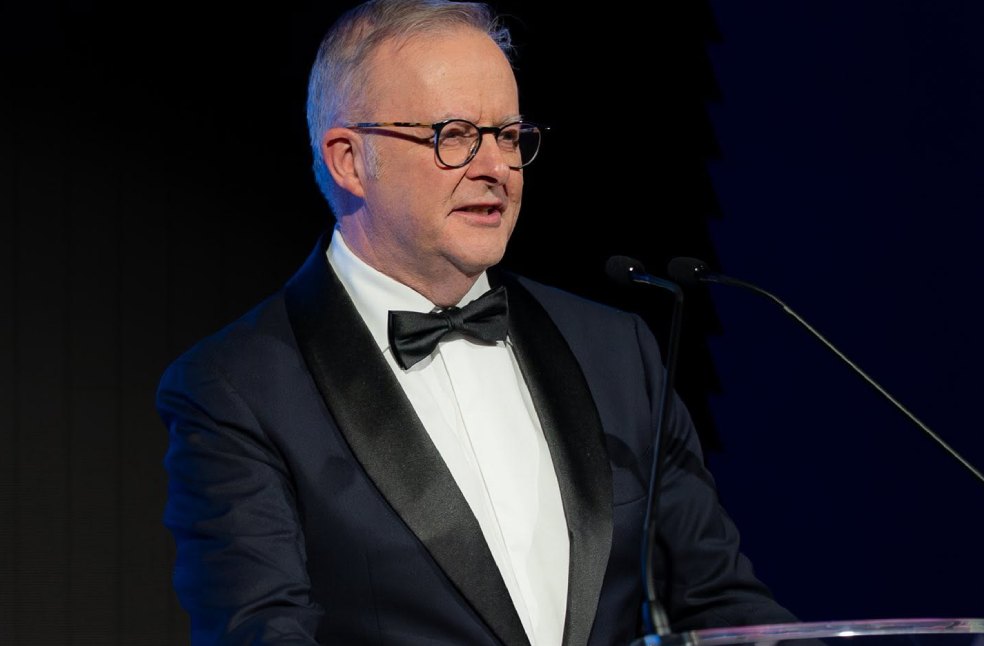
Shadow Communications Minister Sarah Henderson also condemned the remarks, saying they were disrespectful to women, embarrassing for Australians and diminished the office of the prime minister.
In a brief statement released on Monday while travelling in the Pacific, Albanese stated that, “I apologise unequivocally for the comments.” Acting Prime Minister Richard Marles defended the government’s broader commitment to gender equality, noting that Albanese leads Australia’s first federal cabinet with equal numbers of men and women.
During the same podcast interview, Albanese was also asked about the most unusual gift he had received during an overseas visit. Albanese recalled receiving two melons from Japanese Prime Minister Sanae Takaichi. Osborne then made a joke comparing the Japanese leader to actress Pamela Anderson, prompting Albanese to smile and gesture, a moment that also drew attention.
The incident has reignited debate in Australia about the standards expected of public officials and the importance of challenging sexist language and behaviour, even in informal media appearances.
POPULAR | France awaits crucial ruling on Marine Le Pen’s election eligibility
