



The world’s oceans recorded their hottest June on record, with scientists warning that temperatures could continue to climb in the coming months as climate change and the developing El Niño weather pattern combine to intensify global warming.
According to a new report released by the European Union’s Copernicus Marine Service, the average global sea surface temperature reached a record 21.0°C (69.8°F) in June, surpassing the previous June records set in 2023 and 2024.
The report noted that the first half of 2026 was marked by persistently high sea surface temperatures and widespread marine heatwaves across much of the world’s oceans. By the end of June, approximately 82 percent of the global ocean had been affected by marine heatwaves.
Simon van Gennip, Lead Oceanographer at the Copernicus Marine Service, said the Mediterranean Sea, the central North Atlantic and the equatorial Pacific emerged as major hotspots, reflecting an ocean under sustained thermal stress.
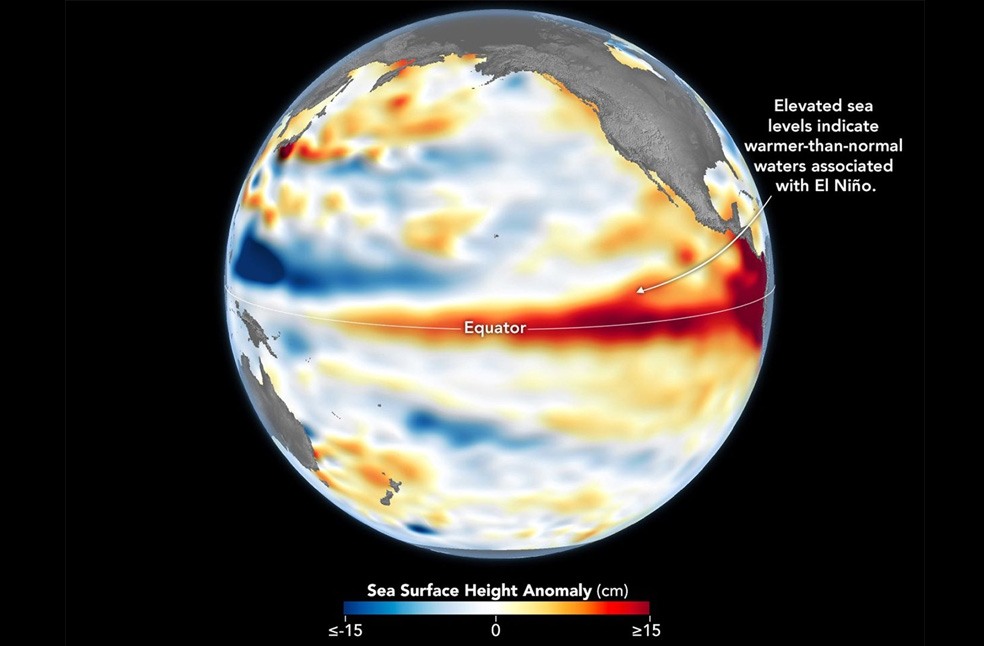
The El Niño event
Scientists also warned that the emergence of a potentially strong El Niño event later this year could further increase temperatures across both the oceans and the atmosphere through 2026 and into 2027.
Carlo Buontempo, Director of the Copernicus Climate Change Service, said current conditions may signal the beginning of another period of unprecedented warming. With ocean temperatures already at record levels and El Niño developing, additional temperature records are likely to be broken in the months ahead.
El Niño is characterised by unusually warm waters in parts of the Pacific Ocean. The phenomenon releases additional heat into the atmosphere and alters global wind, cloud and rainfall patterns, increasing the likelihood of extreme weather events such as floods in Peru, droughts across parts of Africa and severe wildfires in Australia.

The warning comes after land and sea temperatures reached record highs in 2024 during the previous El Niño cycle. Scientists now believe 2026 could rank among the warmest years ever recorded if the current El Niño strengthens.
The findings also follow a major United Nations scientific assessment issued last month, which warned that the world’s oceans are facing a deepening crisis as sea temperatures and sea levels continue to rise at an accelerating pace.
Oceans play a vital role in regulating Earth’s climate by absorbing nearly 90 percent of the excess heat generated by greenhouse gas emissions, including carbon dioxide. However, warmer oceans also intensify climate impacts by adding more moisture to the atmosphere, fuelling stronger tropical cyclones and heavier rainfall.
Rising ocean temperatures also contribute directly to sea-level rise because warmer water expands. In addition, prolonged marine heatwaves place severe stress on coral reef ecosystems, causing widespread coral bleaching and increasing the risk of permanent reef loss.
ALSO READ | Young people reject school smartphone bans; Study says
