



Brussels: Europe’s heatwave has continued to bring record-breaking temperatures across several countries, with authorities reporting rising fatalities, health concerns and widespread disruption to public life.
Germany, Belgium and the Netherlands recorded their highest June temperatures, while several major outdoor events were cancelled because of the extreme weather. Germany provisionally recorded its highest June temperature of 41.3 degrees Celsius in the south-western city of Saarbrücken.
Belgium also reported temperatures reaching 40 degrees Celsius in Kleine Brogel, while the southern Dutch province of Limburg recorded 39.4 degrees Celsius. In the United Kingdom, a provisional June record of 37.1 degrees Celsius was registered in Suffolk.
Health officials have expressed growing concern over the impact of the heatwave on vulnerable communities. France’s Health Minister Stéphanie Rist highlighted increasing reports of deaths occurring at home, while Spain’s temperature monitoring system recorded 327 heat-related deaths.
France has also reported 55 drowning deaths since the heatwave began, with many incidents occurring in unsupervised swimming areas.
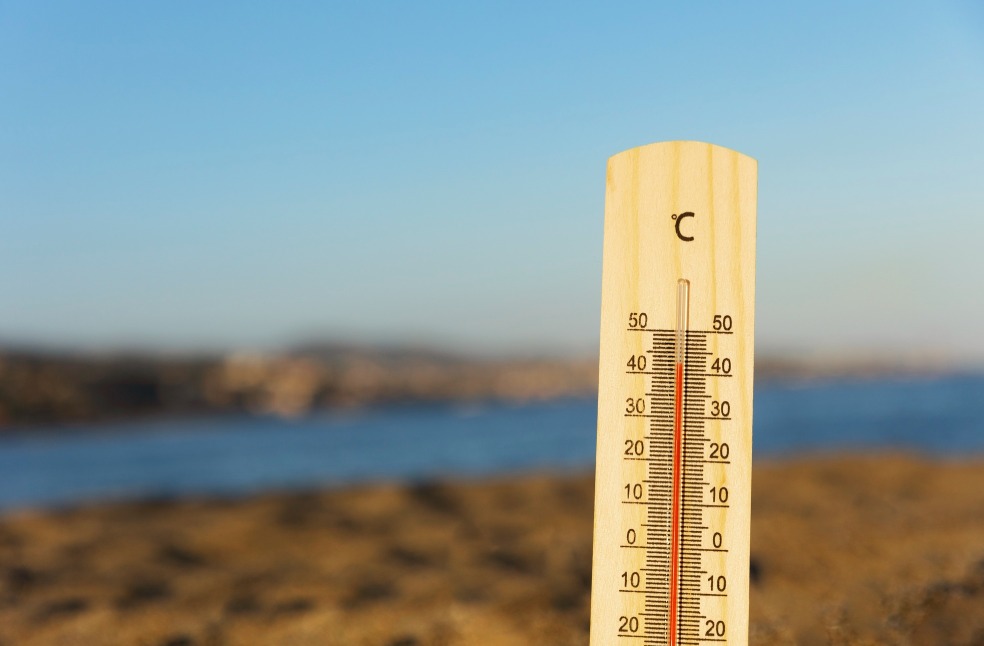
According to the World Meteorological Organization, the prolonged spell of extreme heat is affecting public health, ecosystems, agriculture and labour across the continent. Weather experts estimate that around 150 million people across Europe experienced temperatures above 35 degrees Celsius.
Scientists from World Weather Attribution also stated that the current Europe heatwave is the most severe ever recorded for the region studied and that June is warming faster than any other month. The extreme weather has caused significant disruption across Europe.
A Eurostar train travelling from Cologne to Paris broke down near Brussels, leaving about 400 passengers stranded, while several concerts, sporting events and festivals were cancelled or postponed because of health risks.
The heatwave has also increased concerns about environmental damage. A forest fire near Barcelona forced around 16,000 residents to remain indoors, while Swiss researchers warned that glaciers are melting much earlier than normal because winter snow reserves are rapidly disappearing.
Scientists have linked the prolonged heat to climate change, noting that Europe is warming at roughly twice the global average. With little relief expected over the coming days, authorities continue to urge people to take precautions as extreme temperatures persist across much of the continent.
ALSO READ | Heatwave prompts Paris alcohol ban to relieve hospitals
