


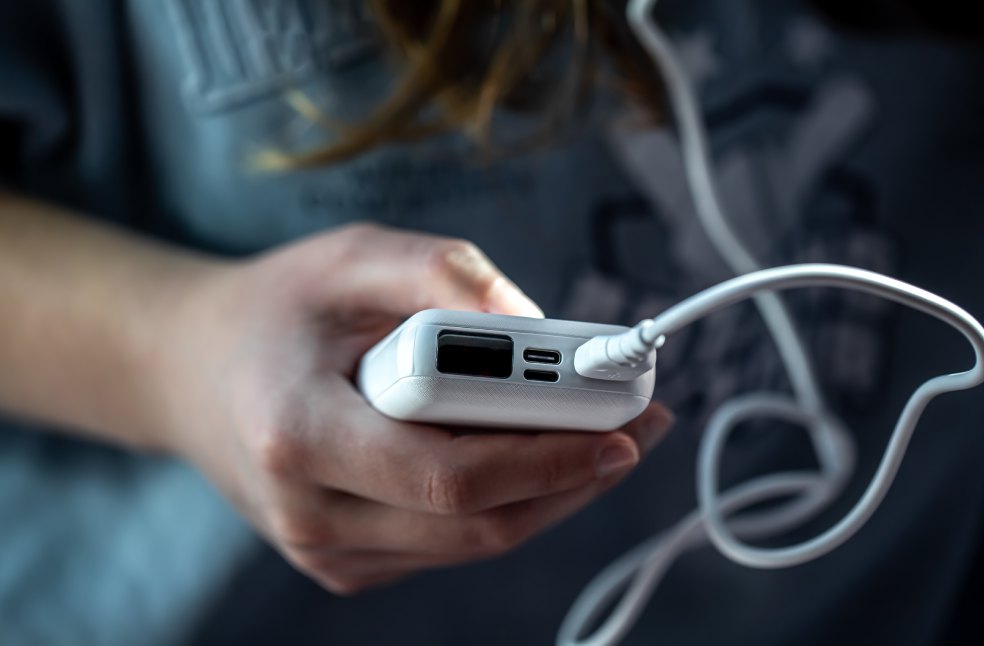
London: Passengers travelling during the busy summer holiday season are being urged not to pack power banks, vapes and other lithium battery-powered devices in their checked luggage as aviation authorities warn that battery-related fires have become the biggest safety threat facing aircraft.
With millions expected to take to the skies in the coming weeks, the UK’s Civil Aviation Authority (CAA) has launched a fresh awareness campaign after incidents involving lithium batteries packed in hold baggage nearly doubled over the past year. The regulator is reminding travellers that such devices should always be carried in cabin baggage, where any overheating or fire can be quickly detected and dealt with by cabin crew.
Lithium batteries are widely used in everyday electronic devices, including mobile phones, laptops, tablets, smartwatches, wireless earbuds, power banks and e-cigarettes. While they are generally safe, damaged, defective or poorly manufactured batteries can overheat, catch fire and spread flames rapidly, making them particularly dangerous in an aircraft environment.
According to the CAA, authorities recorded 643 incidents of lithium battery-powered devices being found in checked baggage during 2025, a sharp increase from 316 cases reported in 2024. Reports of batteries overheating or malfunctioning also rose significantly, increasing from 123 incidents in 2024 to 206 in 2025.
Although most battery-related incidents have occurred inside aircraft cabins, where flight crews are trained to respond quickly using specialized fire containment equipment, officials say the greater concern is when such devices are packed in the cargo hold. A fire in the hold may remain undetected until it becomes severe, making it much more difficult to control.
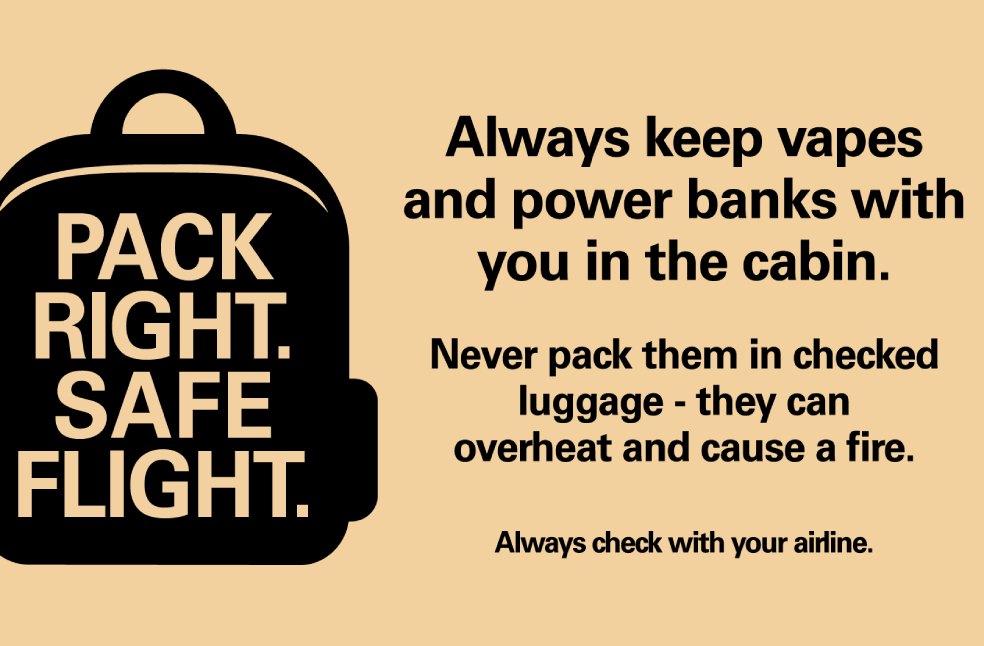
The aviation regulator says around two lithium battery-related incidents are now reported every week, underlining the growing challenge posed by the increasing number of electronic devices passengers carry while travelling.
Apart from posing a serious safety risk, improperly packed lithium batteries can also disrupt flight operations. Aircraft may be delayed while checked baggage is removed or inspected, and in some cases, flights may even be forced to divert.
Last month, an EasyJet flight diverted to Rome after it was discovered that a passenger had packed a power bank in checked baggage. In another widely reported incident in October 2025, flames erupted from an overhead luggage compartment on an Air China flight, with reports indicating that a lithium battery was the likely cause.
To reduce the risks, the CAA has issued several safety recommendations for passengers. Mobile phones, power banks, vapes and other lithium battery-powered devices should always be carried in cabin baggage rather than checked luggage. Passengers are permitted to carry a maximum of two power banks, and these must never be charged during the flight. Travellers are also advised to switch laptops off completely before placing them in checked baggage instead of leaving them in sleep or standby mode.
Tim Alderslade, Chief Executive of Airlines UK, described lithium battery incidents as a growing challenge for the aviation industry as passengers increasingly travel with multiple electronic devices. Tim Alderslade stressed that while pilots and cabin crews are well trained to deal with emergencies, preventing incidents begins with passengers packing their bags correctly.
Giuseppe Capanna, Product Safety Engineer at Electrical Safety First, said lithium batteries contain enormous amounts of stored energy, making them highly efficient but also capable of causing intense fires if they fail. Capanna warned that fires involving lithium batteries can become ‘ferocious’ and are especially dangerous when devices are packed in areas of the aircraft that are inaccessible during flight.
Capanna added that most certified electronic devices are safe to use, but many incidents are linked to poor-quality or counterfeit batteries purchased through third-party sellers. Capanna urged consumers to buy electronic products from reputable manufacturers and retailers to reduce the risk of battery failures.
As airports prepare for one of the busiest travel periods of the year, aviation authorities are encouraging passengers to familiarise themselves with baggage rules before flying. Officials say following these simple safety measures can help prevent onboard fires, avoid costly flight disruptions and ensure a safer journey for passengers and crew alike.
MOST READ | Trump launches America’s 250th birthday celebrations with National Mall rally
