


California: Apple is preparing to increase the prices of some of its products as surging memory chip costs continue to squeeze the technology giant, outgoing CEO Tim Cook has revealed.
In an interview, Cook said price increases have become ‘unavoidable’ after months of absorbing rising component costs, particularly for memory chips that have seen sharp price hikes amid booming demand from the artificial intelligence (AI) industry.
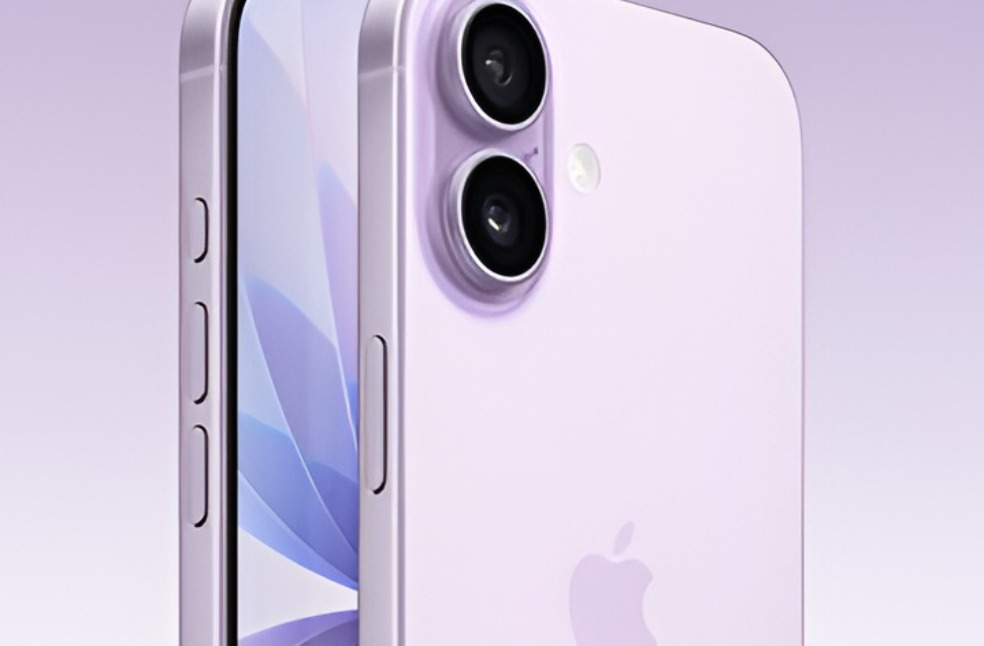
Cook stated that, “We’re doing our best to mitigate the huge increases that are being passed to us, and we’ve been trying to shield our customers from the increases, but the situation has become unsustainable.” Although Cook did not specify when the price increases would take effect or which Apple products would be impacted, the announcement has sparked speculation that the upcoming iPhone 18 lineup, expected to debut in September, could carry higher price tags.
Memory chips are a critical component in smartphones, laptops and other consumer electronics. However, rapid expansion of AI infrastructure has significantly tightened global supply, pushing prices higher. The cost of RAM, traditionally one of the least expensive computer components, has more than doubled since October 2025.
The ongoing conflict in Iran has further complicated the semiconductor supply chain by disrupting global helium supplies. Helium plays a vital role in semiconductor manufacturing, adding another layer of cost pressure for chipmakers.
According to market research firm Omdia, global smartphone prices are expected to increase by approximately 20 percent in 2026, reaching record highs. Omdia smartphone analyst Chiew Le Xuan told the BBC that Apple’s next-generation smartphones could cost up to $150 more than the iPhone 17 series as the company upgrades hardware to support advanced AI capabilities.
Apple is not alone in facing mounting cost pressures. Taiwan Semiconductor Manufacturing Company (TSMC), the world’s largest contract chipmaker, recently indicated it may also consider raising prices as inflation increases manufacturing costs.
Earlier this year, Samsung warned that memory chip shortages would likely push electronic device prices higher. Sony increased PlayStation 5 prices in key markets, while Nintendo also announced a price hike for its Switch 2 console, citing changing market conditions.
Despite the challenging cost environment, Apple has continued to perform strongly in the marketplace. The iPhone 17 series has recorded robust demand since its launch last September, with Apple reporting a 17 percent year-on-year increase in device sales during the first quarter of 2026, driven largely by strong demand in China.
The company has already adjusted pricing in parts of its product lineup this year by discontinuing the entry-level Mac Mini configuration, effectively raising the computer’s starting price by around $200.
POPULAR | Telegram challenges India’s temporary ban ahead of NEET retest
