


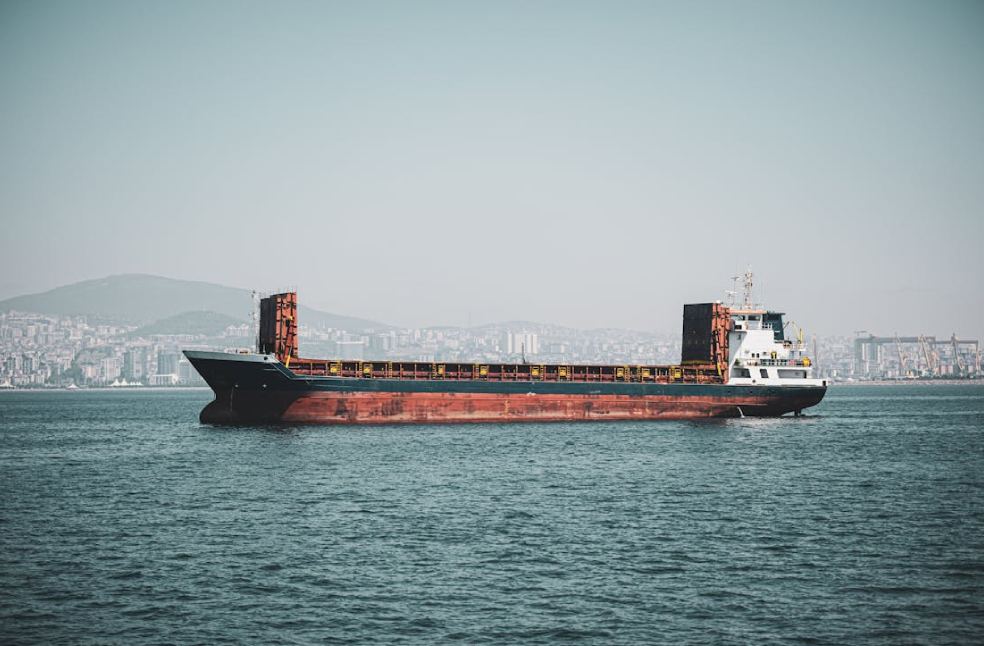
Singapore: The movement of supertankers into the Gulf has continued despite a US-imposed blockade on vessels linked to Iranian ports. Shipping data has shown that at least two large crude carriers have crossed the Strait of Hormuz, raising questions about enforcement measures.
According to reports, a Very Large Crude Carrier capable of transporting up to two million barrels of oil has entered the Gulf waters. The vessel’s destination has not been immediately confirmed, though its entry has drawn attention due to ongoing restrictions.
The supertankers movement has followed an earlier crossing by another sanctioned vessel heading towards Iraq. Both ships have reportedly carried Iranian oil in the past, adding to concerns over how effectively the blockade is being implemented.
US Central Command has maintained that several vessels have been turned back since the blockade began, with officials stating that enforcement efforts remain active. However, the continued transit of some ships has suggested potential gaps in monitoring or compliance.
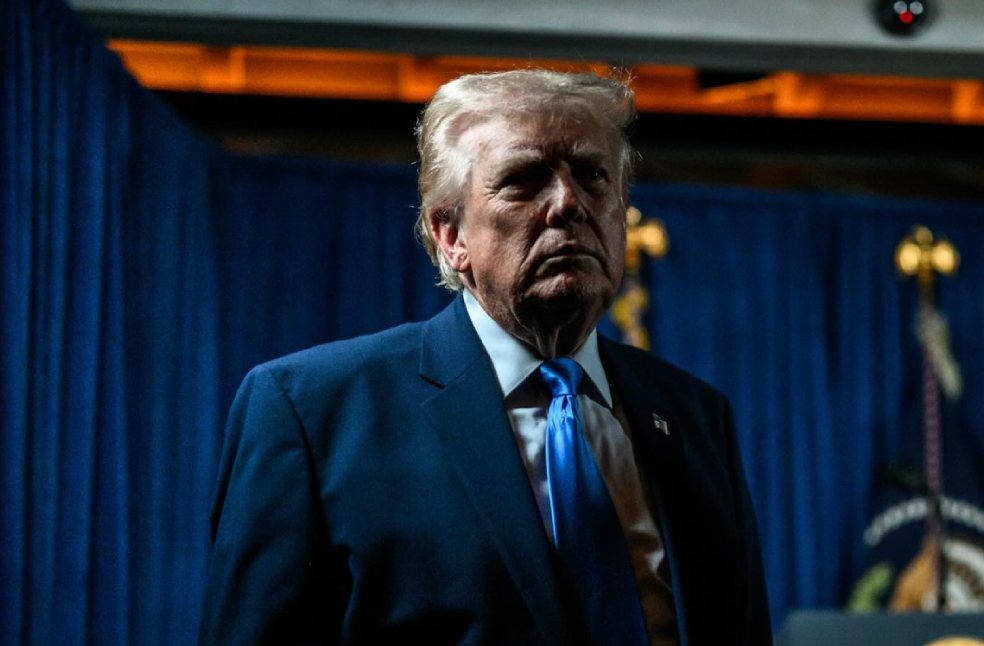
The blockade was announced by Donald Trump after negotiations between the United States and Iran failed to produce an agreement. The measure has been aimed at limiting Iran’s oil exports and increasing pressure ahead of potential future talks.
The Strait of Hormuz remains a key route for global energy shipments, making any movement of supertankers significant for international markets. The waterway handles a large share of the world’s oil supply, and disruptions have continued to affect trade flows.
Analysts have noted that while the blockade could reduce Iran’s crude exports, the country may sustain output levels temporarily by storing oil domestically. Data has indicated that exports have remained relatively stable in recent months despite the restrictions.
The situation has also underscored ongoing geopolitical tensions, with both sides assessing strategies ahead of possible renewed negotiations. Market observers have been closely monitoring tanker movements for signs of shifting dynamics.
The continued presence of supertankers in the Gulf has highlighted the complexity of enforcing maritime restrictions in a region critical to global energy supply.
Further developments are expected as authorities review enforcement measures and diplomatic efforts continue.
RELATED POST | Trump signals Iran talks may resume as blockade continues
