


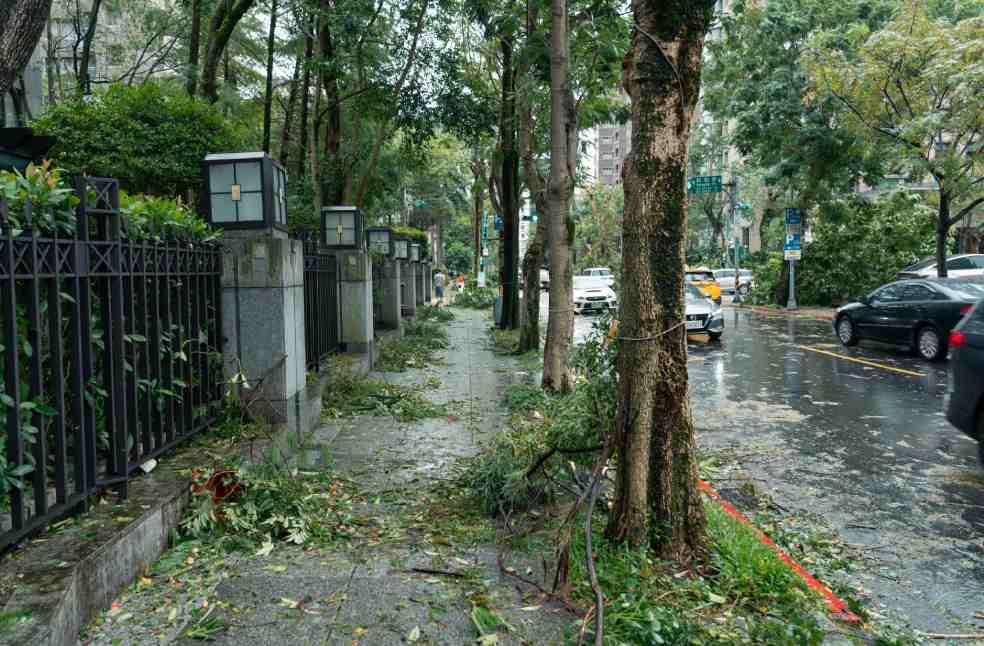
Northern Mariana Islands: Residents across the Northern Mariana Islands are bracing for prolonged disruption after Super Typhoon Sinlaku tore through the Pacific territory, leaving widespread damage and crippling essential services.
Officials warn that some of the hardest-hit areas could remain without electricity and water for weeks, as recovery efforts struggle to begin with the scale of destruction. The storm slammed into the islands, bringing violent winds and relentless rainfall that overturned vehicles, toppled utility poles, and ripped roofs from homes.
The situation is particularly difficult on Saipan, the largest island in the US territory, where the only hospital experienced significant flooding. Authorities also reported that several major resorts lost backup power systems, worsening conditions for residents and visitors alike.
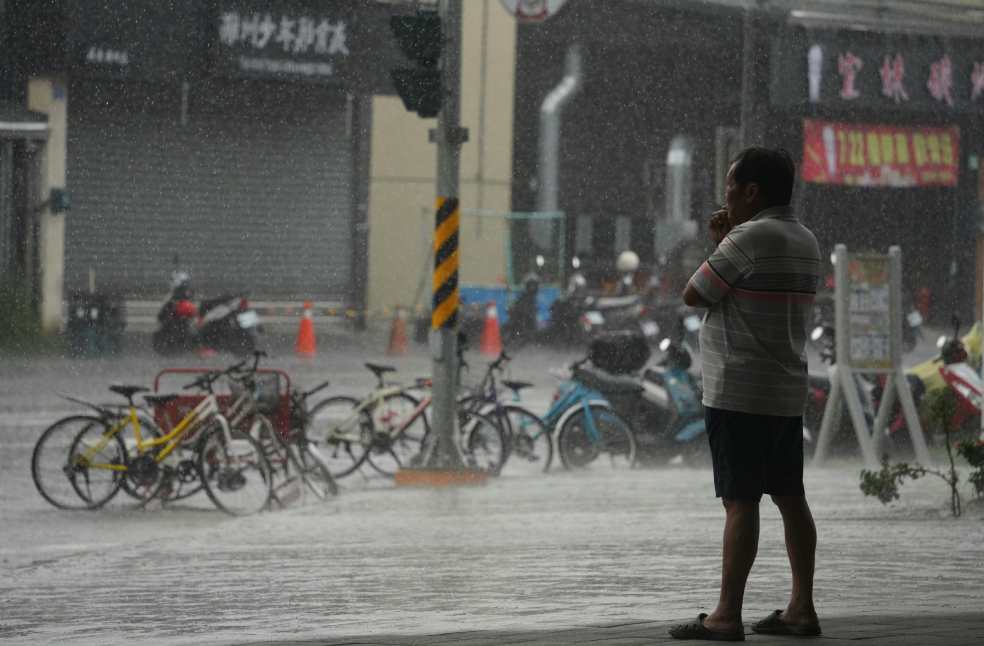
Across Tinian and the surrounding areas, roads remain largely impassable, hampering emergency response and delaying full damage assessments. Officials confirmed that power and water outages are widespread, affecting much of the population of roughly 45,000 people.
Emergency services have been limited in their ability to assess the destruction, as a shelter-in-place advisory remains in effect. A public information officer stated that, “We still have a shelter in place so first responders have not been able to do a full damage assessment.”
The typhoon also lashed Guam, where tropical storm-force winds battered infrastructure, including several US military installations.
At its peak, Sinlaku packed sustained winds of up to 150 mph (241 km/h), making it one of the most powerful storms of the year. Though it has since weakened while moving northward, hazardous conditions persist, with winds still estimated at 60 to 70 mph in affected areas.
Residents described scenes of extensive damage, with homes partially destroyed and power infrastructure severely impacted. Many rushed to open stores in search of essential supplies as soon as conditions allowed, highlighting growing concerns over shortages.
Authorities say it could take days before a full picture of the damage emerges, with recovery expected to be slow and challenging due to the widespread impact on infrastructure and essential services.
TRENDING | Assisi displays remains of St. Francis to mark 800 years since his death
