



Medications once hailed as a major breakthrough in treating Alzheimer’s disease may offer little meaningful benefit to patients, according to a comprehensive review of clinical trials.
The large-scale analysis found that anti-amyloid drugs, designed to reduce protein build-up in the brain, had only minimal effects on cognitive function and the severity of dementia over an 18-month period. Improvements in patients’ ability to function were described as modest at best.
These findings challenge earlier optimism around a new class of treatments targeting amyloid plaques, a key feature of Alzheimer’s, along with tau protein tangles that damage brain cells.
The review, conducted using rigorous methods by Cochrane, examined data from 17 clinical trials involving more than 20,000 participants with mild cognitive impairment or early-stage dementia. It assessed seven different anti-amyloid drugs.
However, the conclusions have drawn criticism from some experts and organisations, who argue that the analysis combined results from older, unsuccessful drugs with newer therapies that have shown more promise.

Charles Marshall of Queen Mary University of London noted that combining effective and ineffective treatments can dilute overall results, leading to an underestimation of benefits.
Anti-amyloid drugs had initially been welcomed as a turning point after trials showed small but statistically significant improvements. Among those approved by regulators are lecanemab, developed by Eisai, and donanemab from Eli Lilly. Despite approvals, several countries have hesitated to fund these treatments through public healthcare systems.
In the UK, the National Institute for Health and Care Excellence determined that while the drugs may delay disease progression by four to six months, their high cost does not justify widespread use within the NHS. The decision is currently under review following an appeal by manufacturers.
According to Edo Richard of Radboud University Medical Center, the analysis found no clinically meaningful slowing of cognitive decline. He added that the treatments can also lead to side effects such as brain swelling and bleeding, and place a burden on patients due to frequent hospital visits for intravenous infusions and MRI monitoring.
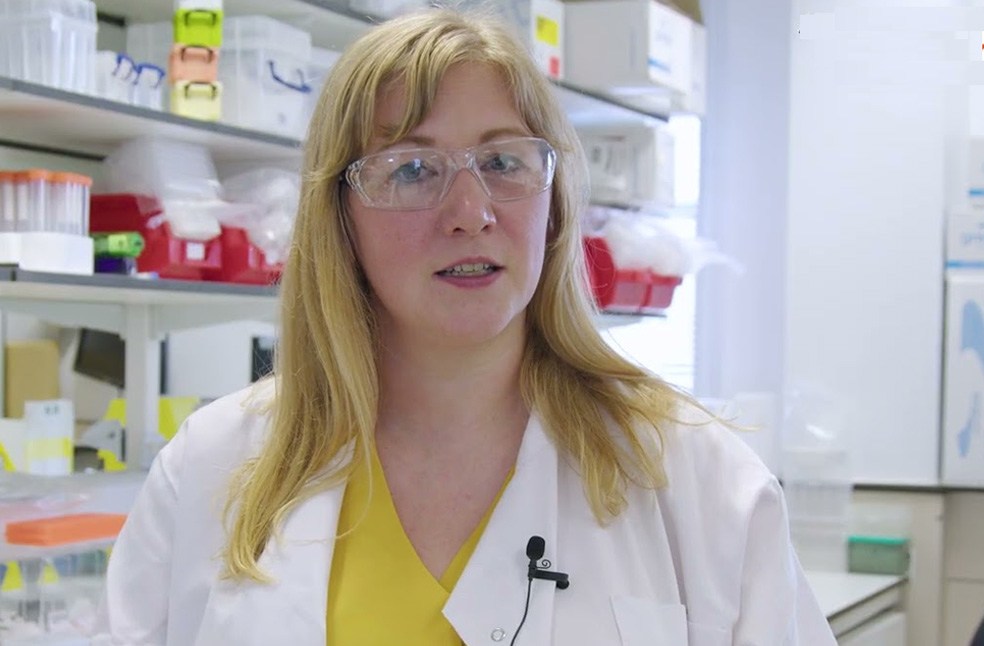
Richard defended the methodology of combining trial data, noting that all the drugs studied share a similar mechanism and were evaluated using comparable measures. The review ultimately calls for new therapeutic approaches to tackle Alzheimer’s.
Robert Howard of University College London said that the recent evidence raises doubts about whether these drugs significantly alter the course of the disease. He cautioned against raising unrealistic expectations among patients and families.
Meanwhile, Susan Kohlhaas from Alzheimer’s Research UK argued that the review may oversimplify the effectiveness of the drug class. She pointed out that only two of the 17 trials involved currently approved medicines, while the rest focused on treatments that were abandoned due to poor results.
Kohlhaas added that while anti-amyloid therapies are unlikely to provide a complete cure, dismissing their impact entirely may not reflect the full picture. She emphasised that research is already expanding to explore a broader range of biological targets in the fight against Alzheimer’s.
MOST READ | MASLD cases to reach 1.8bn globally by 2050: study
