


Singapore: Global oil prices have eased as markets reacted to signs that the United States and Iran may resume negotiations. The possibility of renewed diplomatic engagement has reduced fears of further disruptions to energy supplies.
Brent crude has fallen by about 1 percent to $98.40 (£72.85) per barrel, while US-traded oil has dropped 1.7 percent to $97.40 (£76.11). The decline has followed recent volatility, with oil prices having surged above $100 (£79) earlier after escalating tensions.
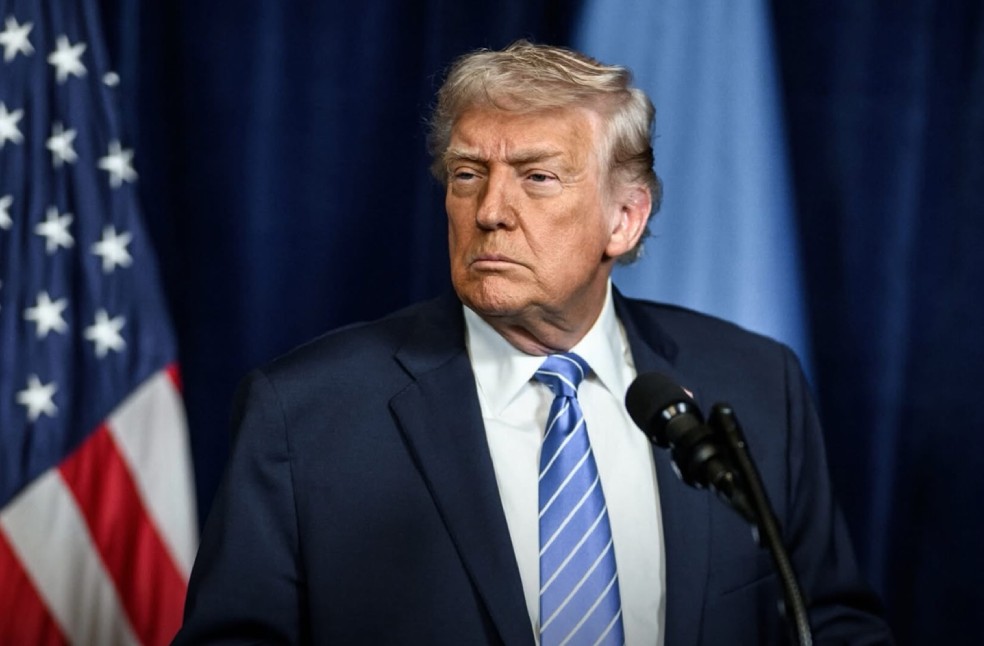
Donald Trump has indicated that Iran has reached out regarding a potential agreement, suggesting that discussions between the two sides could continue. Analysts have interpreted the development as a possible sign of de-escalation.
The oil prices movement has also reflected market expectations that negotiations could ease restrictions on energy flows. Reports have suggested that Iran has explored options such as temporarily limiting nuclear activities, although no agreement has been reached.
Despite the recent drop, oil prices have remained significantly higher than pre-conflict levels. Before tensions escalated in late February, prices had stood near $73 (£57), highlighting the continued impact of geopolitical risks.
The Strait of Hormuz has remained central to market concerns, as it is a key route for global oil and gas shipments. Any disruption in the region has the potential to influence oil prices worldwide.
Market experts have noted that the recent decline may also be partly due to short-term corrections after sharp gains. However, uncertainty remains, with traders closely monitoring developments in diplomatic talks and regional security.
International Energy Agency has warned that current oil prices may not fully reflect the severity of disruptions in the region. Officials have indicated that supply challenges could intensify if tensions persist.
Energy markets have also been supported by strategic stock releases, with member countries coordinating efforts to stabilise supply. Further action may be considered if conditions worsen. The outlook for oil prices remains uncertain, as progress in negotiations and the status of shipping through the Strait of Hormuz will play a critical role in determining future trends.
The situation has continued to highlight how geopolitical developments directly affect global energy markets, with further fluctuations expected in the coming weeks.
WE RECOMMEND | US begins blockade of Iran ports after talks collapse
