


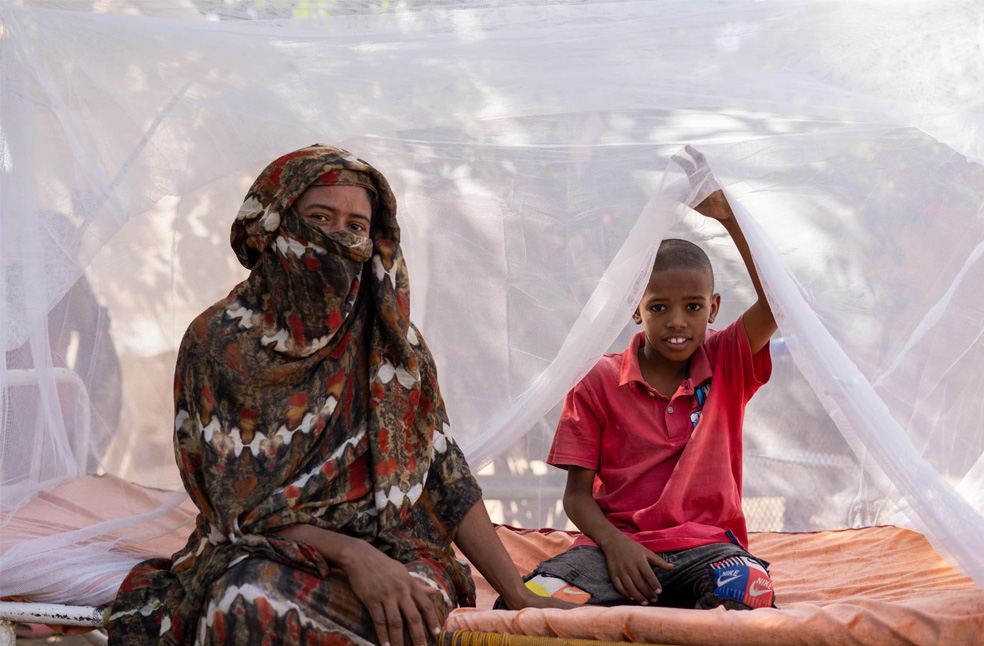
Harare: Zimbabwe is facing a sharp rise in malaria cases and deaths following major US foreign aid cuts that disrupted key disease prevention, treatment, and research programmes across the country.
The increase comes after the administration of Donald Trump reduced international assistance programmes shortly after returning to office for a second term in 2025, including initiatives supported by the United States Agency for International Development.
The funding reductions affected several health programmes in Zimbabwe, including malaria, tuberculosis, and HIV/AIDS prevention and treatment efforts.
Among the programmes impacted were the Zimbabwe Entomological Support Programme in Malaria (ZENTO) at Africa University, which supported scientific research for the country’s National Malaria Control Programme, and the Zimbabwe Assistance Programme in Malaria II (ZAPIM II), which strengthened malaria diagnosis, treatment and prevention in high-burden districts.
USAID had provided approximately $270 million for health and agriculture programmes in Zimbabwe during 2024.
According to Zimbabwe’s Ministry of Health National Malaria Control Programme surveillance report, malaria cases rose to 65,399 between January and April 2026, compared with 36,000 cases recorded during the same period in 2025 and 17,000 in 2024.
Malaria-related deaths also increased significantly, reaching 174 between January and April 2026, compared with 85 during the same period last year and 34 in 2024.
Shortages of mosquito nets and medical supplies
Health organisations said several malaria elimination activities previously supported by ZAPIM II had been disrupted following the funding cuts, weakening operational capacity and slowing implementation of prevention measures.
Zimbabwe’s dependence on donor funding for essential medicines, diagnostic kits, and mosquito-control supplies has left the country vulnerable to shortages and programme interruptions. The ZAPIM II programme had operated through Zimbabwe’s Ministry of Health system in 11 districts across Mashonaland Central, Mashonaland East, and Matabeleland North provinces.
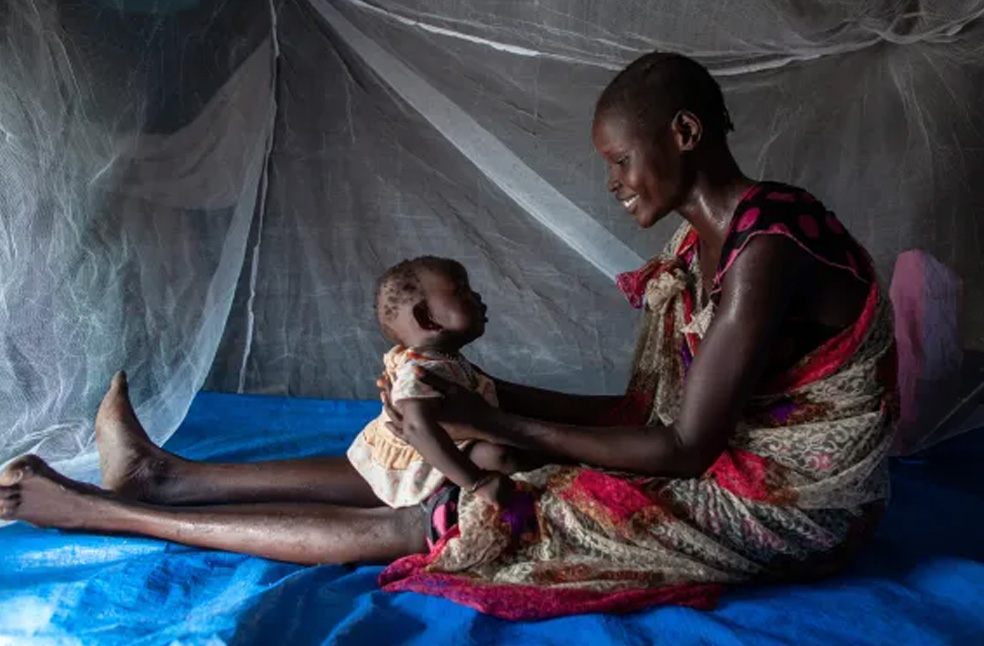
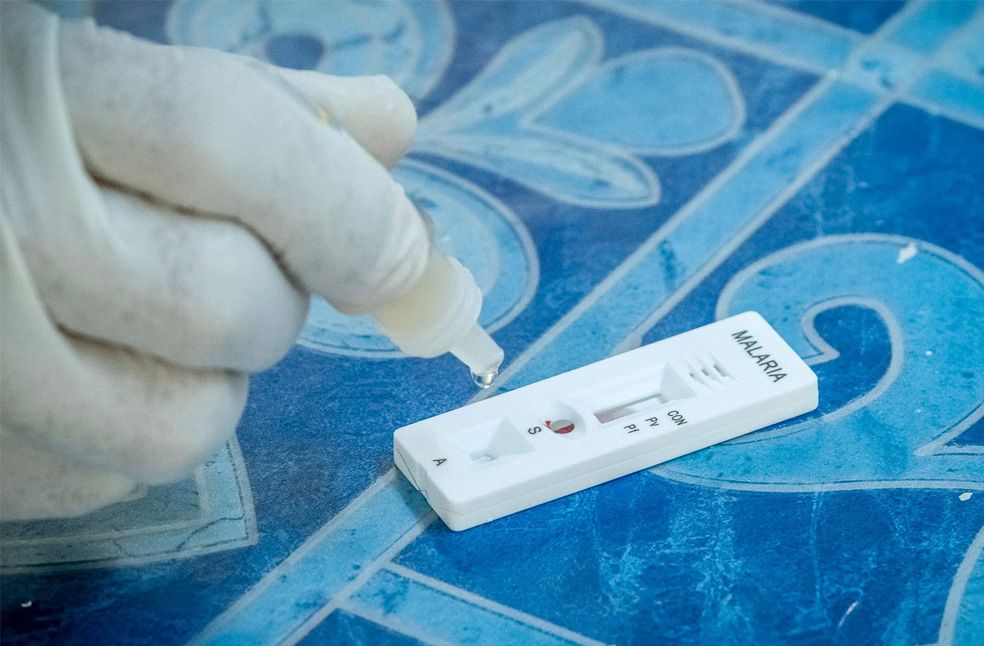
Health workers in rural communities say supplies of malaria diagnostic kits, medicines, and mosquito nets have become increasingly limited since 2025, forcing some patients to travel long distances for testing and treatment.
Research programmes affected
Researchers also warned that the abrupt withdrawal of US support weakened malaria surveillance and prevention systems previously supported through mosquito monitoring and community response programmes.
The funding cuts have additionally affected the US President’s Malaria Initiative (PMI), launched in 2005 under former US President George W. Bush to support global malaria control and elimination efforts.
Although Africa University’s Malaria Institute later secured support from the United Methodist Church General Board of Global Ministry, researchers said the new funding remains far below previous US assistance levels.
Health experts in Zimbabwe are now calling for stronger domestic healthcare financing to reduce dependence on foreign donors and improve long-term health system resilience.
Climate change worsening malaria spread
Climate conditions have also contributed to the malaria surge.
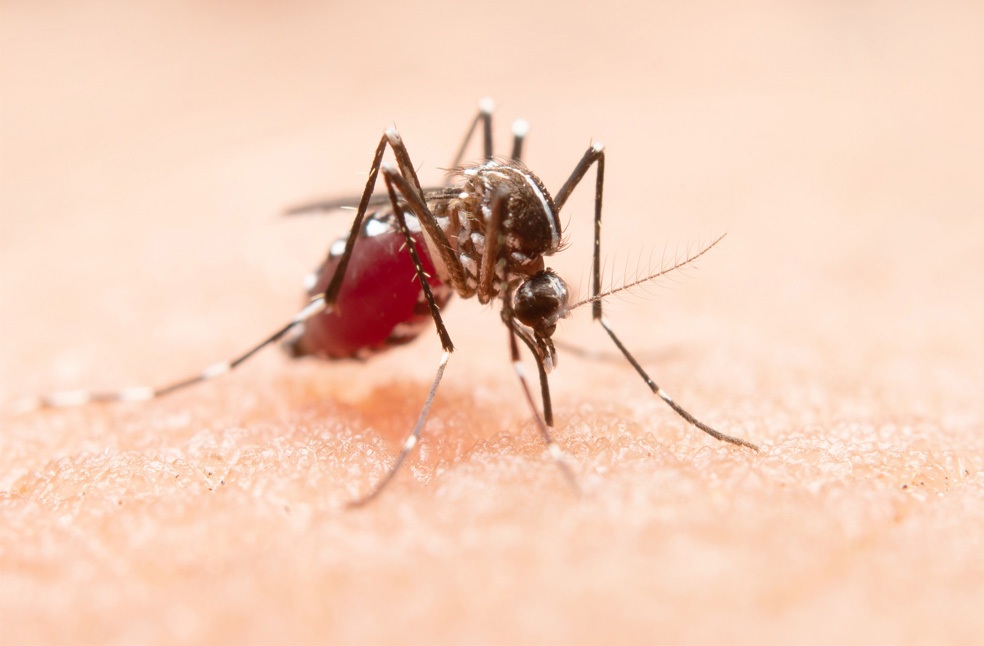
Experts say rising temperatures and changing rainfall patterns linked to climate change are expanding mosquito breeding conditions across Africa, including into higher-altitude regions that previously experienced lower malaria transmission.
Zimbabwe experienced El Niño conditions between 2023 and 2024, followed by heavy rainfall during 2025 and 2026, creating favourable conditions for mosquito populations to grow.
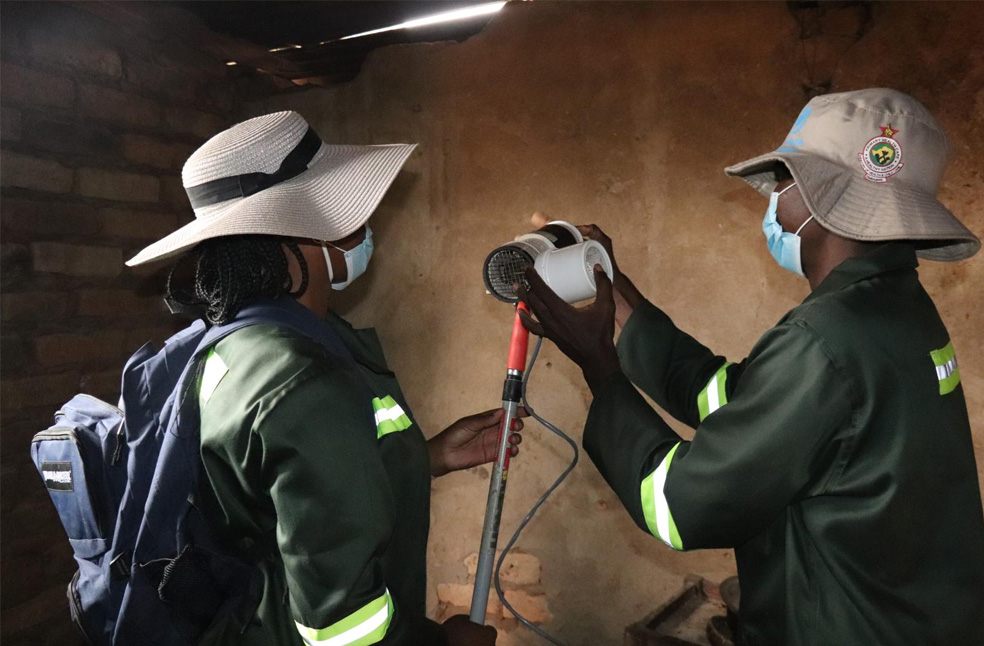
Health organisations said the combination of above-normal rainfall, weakened mosquito-net distribution, delayed vector-control activities and reduced surveillance systems contributed to the recent rise in malaria infections.
Zimbabwe’s ongoing malaria response
Zimbabwe aims to eliminate malaria by 2030 in line with African Union targets.
Over the years, the government, alongside international donors and aid organisations, has relied on indoor residual spraying, mosquito-net distribution, public awareness campaigns, rapid testing and surveillance systems to contain outbreaks, particularly in rural areas.
Although health workers continue indoor spraying campaigns and awareness efforts in malaria-prone communities, experts warn that reduced funding and shortages of medical supplies risk undermining years of progress in reducing malaria infections and deaths across Zimbabwe.
MOST READ | Apple and Google oppose Canada’s online safety bill
