



San Francisco: Apple and Google urged Canadian lawmakers to amend a proposed online safety bill, warning that the legislation could allow authorities to issue secret orders requiring companies to weaken the encryption of software and devices without public disclosure or judicial oversight.
The proposed legislation, known as Bill C-22, was introduced by Canada’s ruling Liberal Party and is currently under debate in the House of Commons.
The bill is similar to measures adopted in countries such as Britain and Australia that aim to provide law enforcement agencies with greater access to encrypted communications and data.
Canadian authorities have argued that the legislation would help security agencies identify threats earlier and respond more quickly to potential risks.

End-to-end encryption ensures that only users with the correct digital key can access protected data, meaning even technology companies and law enforcement agencies cannot view the information without authorization.
Although Bill C-22 does not directly require companies to break encryption systems, Apple, Google, and Meta Platforms have voiced strong opposition, arguing that the bill could create a framework allowing governments to secretly compel firms to build hidden access points, or ‘backdoors,’ into devices and online services.
During testimony before the House of Commons Standing Committee on Public Safety and National Security, representatives from Apple and Google called for explicit legal safeguards protecting encryption and stronger judicial oversight mechanisms within the legislation.
Jeanette Patell, Google’s director for government affairs and public policy in Canada, said secret government orders would undermine transparency and prevent companies from openly informing users about how their personal data is protected.
The debate follows Apple’s recent experience in the United Kingdom, where the company reportedly received a confidential order requesting access to encrypted systems, prompting it to withdraw encrypted cloud backup features from the country.
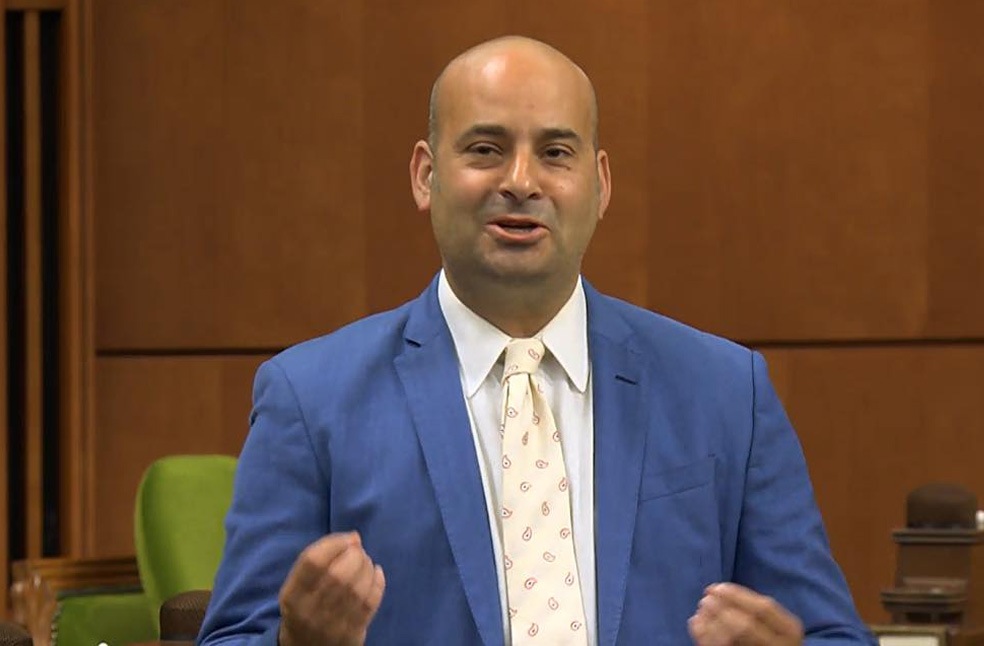
During the parliamentary session, Conservative MP Frank Caputo asked Apple’s senior director for user privacy and child safety, Erik Neuenschwander, whether the company would consider leaving Canada if forced to create backdoor access to its devices.
Neuenschwander declined to speculate on such a possibility, stating that Apple hoped ongoing discussions with lawmakers would lead to constructive amendments to the bill.
ALSO READ | UK medical experts warn of social media harm to children
