


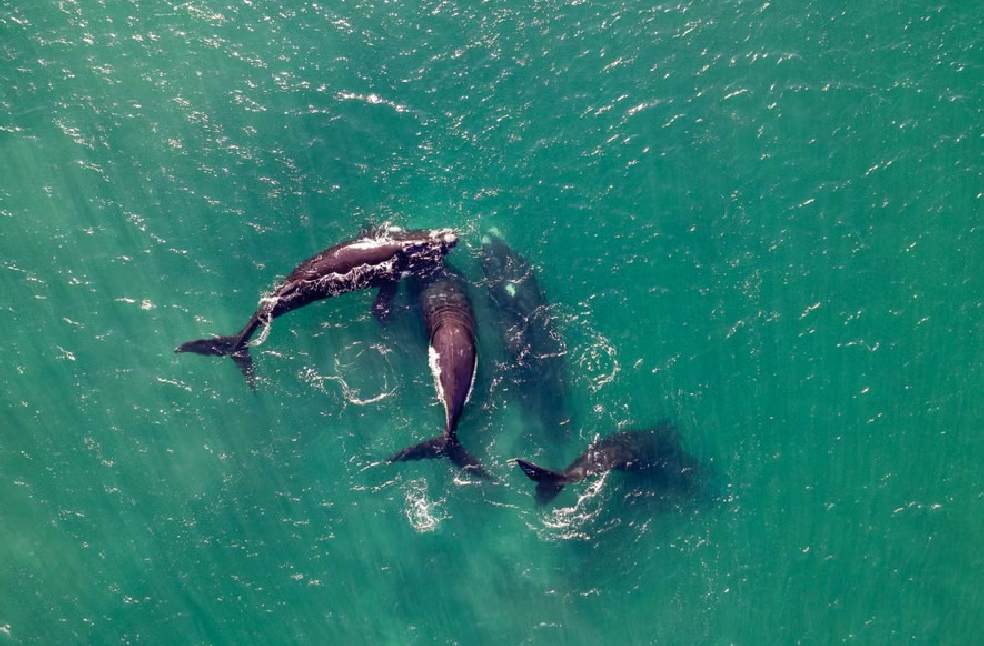
East Greenland: Giant whales are moving into previously inaccessible waters off East Greenland as disappearing sea ice creates new feeding grounds, according to a decades-long study tracking changes in the region’s marine ecosystem.
Researchers recorded and filmed hundreds of humpback, minke and fin whales feeding in ice-free coastal waters during summer. These species were historically unable to access much of the area because thick sea ice blocked the coastal waters.
The change has been linked to rising sea temperatures and the rapid loss of sea ice caused by climate change. Scientists describe the development as a major ecological shift in East Greenland, with some whale species taking advantage of newly available habitat.
Ship-based surveys did not record a single humpback whale in the region until 2006. Seven were recorded the following year, while 2024 surveys recorded 150 humpback whale sightings from ships.
Researchers combined ship-based observations with aerial surveys conducted in 2015 and 2024, satellite tracking of 15 whales and information provided by Inuit hunters. The evidence showed a significant expansion of whale activity in East Greenland waters.
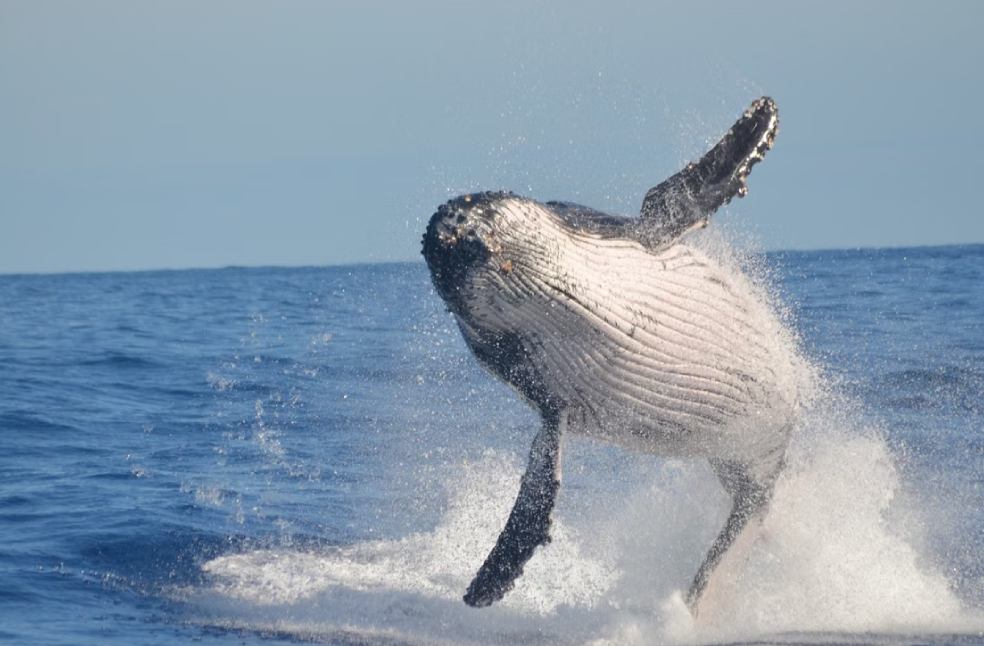
The researchers estimated that around 4,000 humpback whales, 6,000 fin whales and 6,000 minke whales visited the Greenland Sea during the summer of 2024. The three species were estimated to consume at least 800,000 tonnes of fish and krill during the summer feeding season.
Scientists believe the whales are following fish populations that have moved into the warming waters of East Greenland. The newly accessible feeding areas could therefore provide important seasonal opportunities for the whales. However, researchers cautioned that the study does not establish whether whale populations are increasing overall or whether whales are simply moving from other areas into East Greenland.
The changes could also create challenges for other Arctic species. Narwhals and belugas are now sharing habitat with expanding whale populations and could face increased competition or displacement as marine conditions continue to change.
Prof Mads Peter Heide-Jørgensen, the study’s lead researcher, stated that climate change could create new opportunities for some species while causing serious problems for others. The findings highlight how rapidly warming Arctic waters are reshaping marine habitats and changing where different species can live and feed.
The study was published in Frontiers in Marine Science and provides further evidence of the wider ecological changes taking place across the Arctic as sea ice continues to disappear.
IMPORTANT | UK food imports face climate risks as growers warn of supply shocks
