


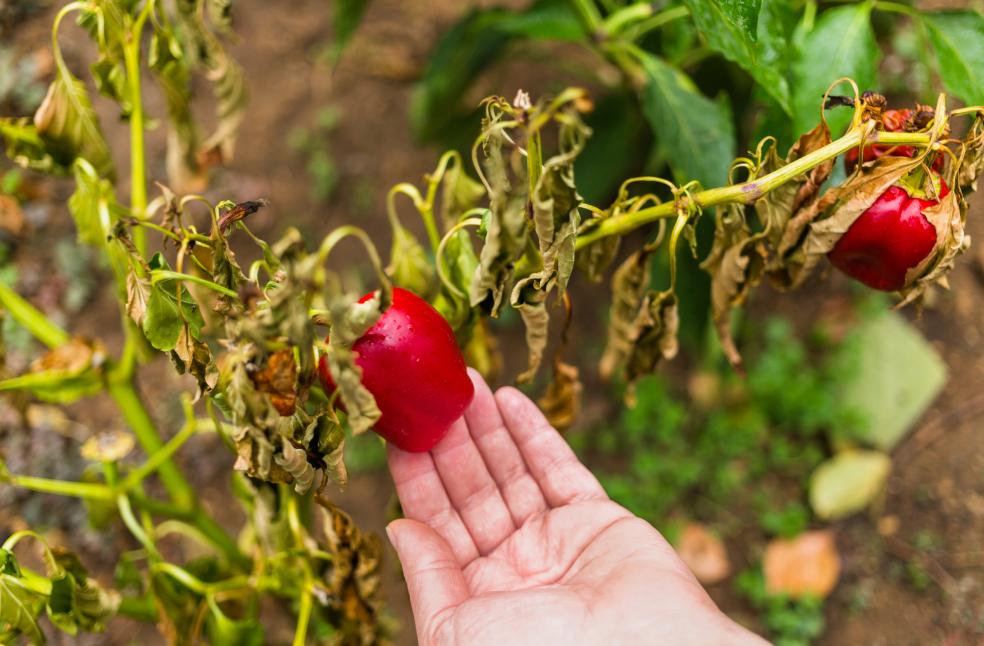
London: The UK is increasingly vulnerable to food supply disruptions and price shocks because of its dependence on countries facing even greater climate pressures, according to a new report from the Food Foundation.
Around 40 percent of Britain’s food is imported, including approximately 80 percent of fruit and 47 percent of vegetables. The figures make the UK more dependent on imported fruit than countries such as France, Germany and Spain.
The warning comes as the UK experiences increasingly challenging weather conditions. Record heat, drought and wildfires have damaged crops and reduced yields of some domestic produce, highlighting the growing pressure climate change is placing on food production.
The Food Foundation said the UK is particularly exposed because many of the countries supplying fresh produce are themselves highly vulnerable to climate change. The report found that 18 of the 20 countries supplying the UK with healthy staple foods were rated moderately to severely vulnerable to climate breakdown.
Climate risks are expected to increase pressure on agricultural production in several major food-exporting regions. Higher temperatures can reduce crop yields, cause heat stress in plants and affect the quality of fruit and vegetables, particularly in parts of the Mediterranean, North Africa, and South and Central America.
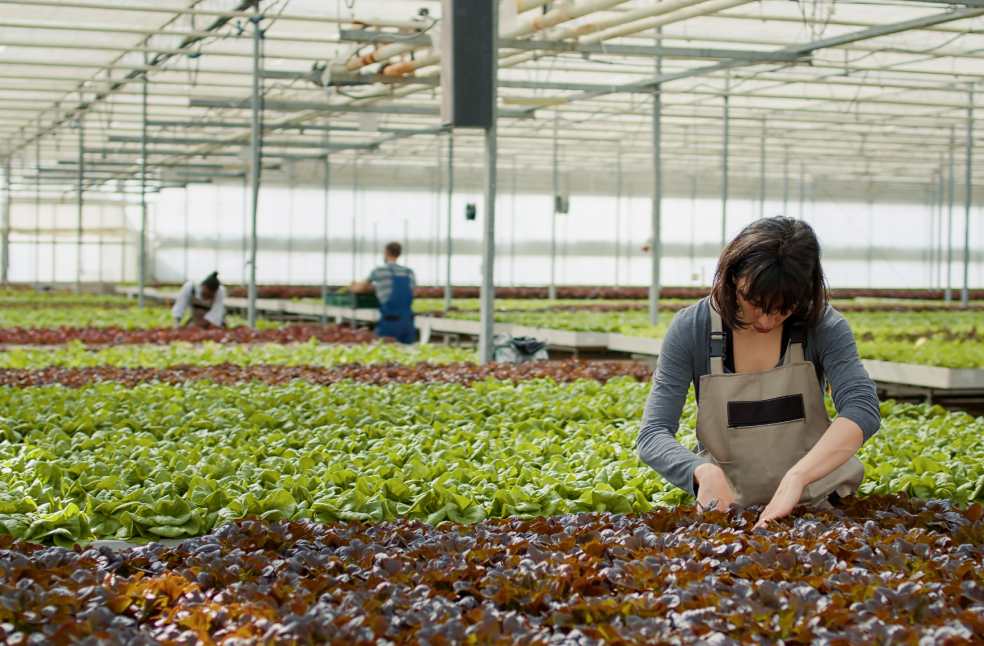
The Food Foundation is calling on the government to invest more in helping British farmers adapt to changing climate conditions and increase domestic production. The organisation warned that climate-related disruptions could eventually push up food prices and make healthy diets less affordable.
Several popular fruits that could be grown in Britain remain heavily dependent on imports. Apples, strawberries, blueberries, raspberries and pears are among the UK’s most-purchased fruits, but domestic production covers less than 40 percent of consumption for four of the five.
The situation is similar for vegetables. Carrots have a domestic self-sufficiency rate of around 94 percent, but Britain produces only about half of domestic consumption for popular vegetables including tomatoes, mushrooms, peppers, cucumbers, onions, broccoli and green beans.
Food producers are also calling for greater certainty around seasonal worker access, water supplies, planning regulations and energy costs to strengthen domestic production and reduce pressure on UK food imports. Growers want clearer government policies, longer-term agreements and more predictable returns to encourage investment in British fruit and vegetable production.
The government is expected to address some of these concerns through its forthcoming horticulture sector growth plan. The Food Foundation said increasing domestic production while strengthening international supply chains would help reduce the UK’s reliance on food imports and protect Britain’s food supply from future climate-related disruptions and price shocks.
MOST READ | England to introduce 24-hour free bus travel for disabled people
