


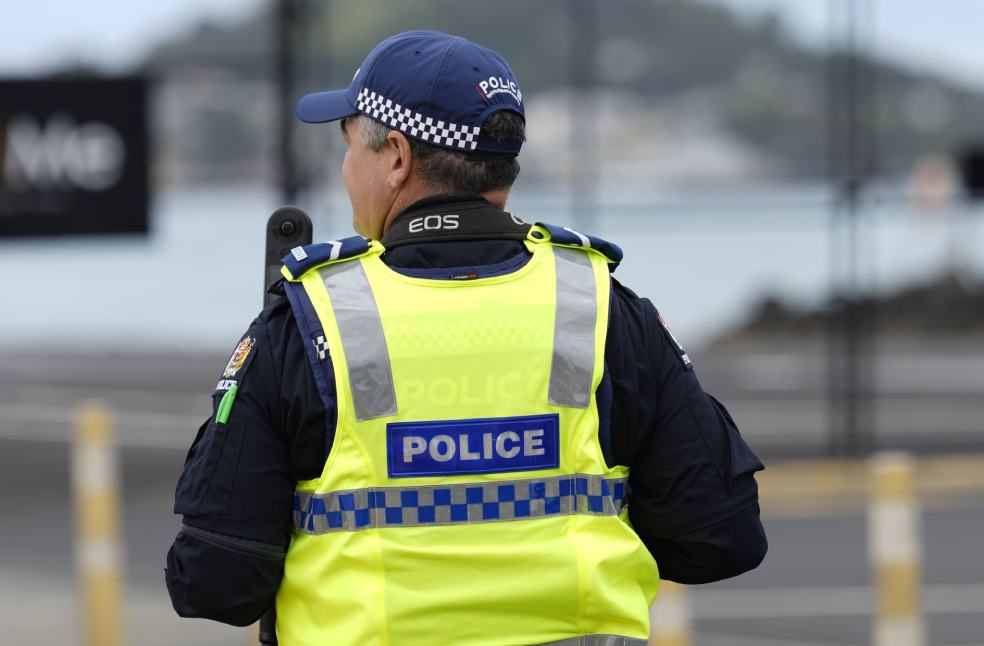
Australia: Western Australia police have reported 122 arrests following a five-month trial of real-time facial recognition technology that scanned more than 1.38 million faces across metropolitan and regional areas.
The trial involved 100 deployments across 43 locations and generated nine incorrect alerts, raising concerns over privacy, surveillance and the accuracy of biometric identification. According to Western Australia Police, the technology scanned a total of 1,380,882 faces during the trial.
In addition to the arrests, the system generated alerts that led officers to engage with 146 registered sex offenders and locate 10 people for welfare checks. Three deployments at the Perth Royal Show accounted for 223,749 face scans, resulting in 15 alerts, three arrests and seven interactions with registered sex offenders.
Western Australia Police Commissioner Col Blanch stated that the nine incorrect alerts did not result in any arrests or formal complaints. However, each alert prompted officers to approach and question the individuals concerned. He acknowledged that the technology was not perfect but maintained that police responded to the alerts in the same way they would investigate information received from members of the public.
Police reported an error rate of approximately 0.00065 percent based on the total number of scans. However, the figures have drawn criticism from civil liberties and human rights organisations, which questioned how authorities calculated the accuracy of the system.
Bill Rowlings, Chief Executive of Civil Liberties Australia, argued that the error rate should also consider the outcomes of the 122 arrests, particularly how many individuals are eventually convicted. He also raised concerns about conducting large-scale facial scans without reasonable suspicion.
Similarly, Sarah Schwartz, Legal Director at the Human Rights Law Centre, warned that even a single false match could result in an individual being stopped, questioned or investigated because of an incorrect algorithmic identification. She also questioned whether scanning more than a million people in public spaces was proportionate in a democratic society.
The trial has also raised concerns about privacy, algorithmic bias and potential discrimination against marginalised communities. Experts have previously warned that facial recognition systems can produce higher false-match rates for people with darker skin tones, potentially increasing the risk of disproportionate police scrutiny.
During the trial, cameras mounted on or positioned near marked police vehicles scanned faces in designated public areas and compared them against an alert list generated from police databases. Authorities remarked that images of individuals who were not on the alert list were pixelated in real time and immediately deleted without being stored.
Following the conclusion of the trial, police surveillance vans have been withdrawn from public deployment while authorities conduct an internal evaluation. The review will assess the technology’s performance, its impact on communities and whether the established safeguards and operational requirements were followed.
MOST READ | Kimi Antonelli makes Formula 1 history as youngest world champion