


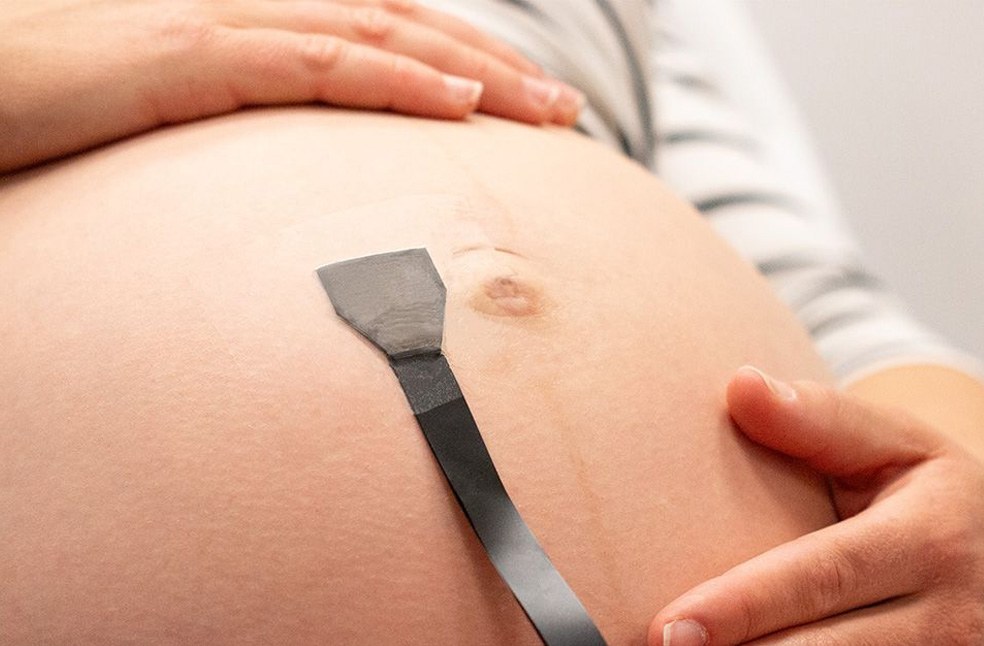
Stanford: Researchers have developed a wearable ultrasound patch designed to continuously monitor babies in the womb, a breakthrough that could help doctors identify pregnancy complications earlier and improve maternal and foetal care.
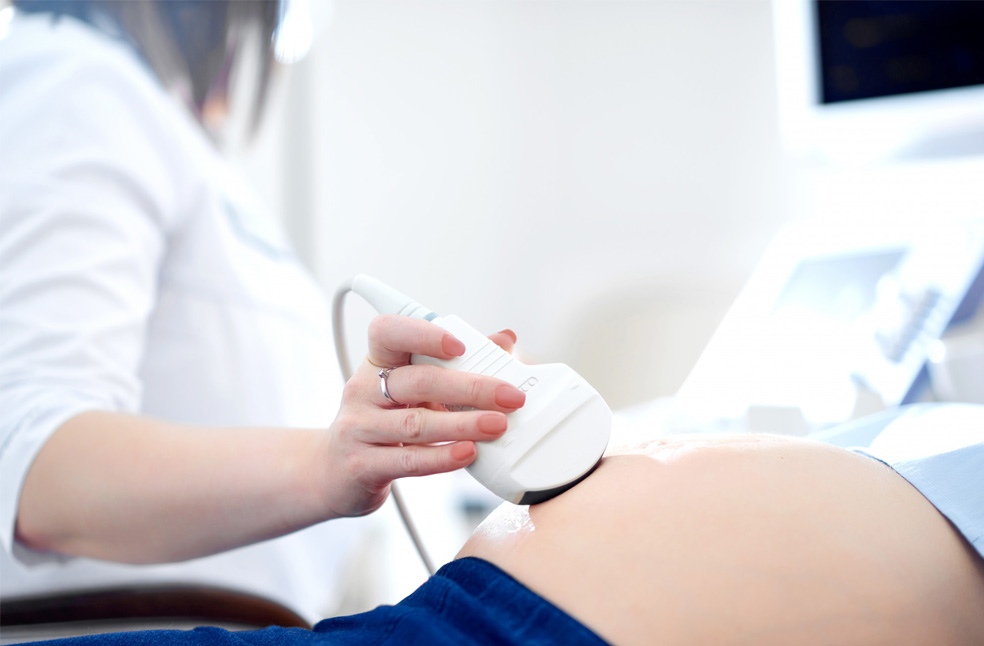
The scientists behind the innovation explained that existing ultrasound monitoring methods have several limitations. Current systems used to continuously track foetal heart rates and uterine contractions often produce high levels of false alarms, while traditional handheld ultrasound scans can only provide limited snapshots during scheduled hospital visits and require trained professionals to operate them.
Sheng Xu, a senior author of the study from Stanford University, said current diagnostic tools only offer intermittent information about the baby’s condition. Xu noted that patients are generally only able to undergo such monitoring in hospitals, meaning valuable information between appointments is often missed.
The senior author explained that a wearable device could instead provide continuous monitoring anywhere, allowing doctors to establish an individual baseline for each patient and analyse changes and patterns over time for more accurate diagnosis and interventions.
The newly developed technology, known as UPatch, can continuously image the foetus and monitor blood flow in real time for hours at a time, including in moving areas such as the umbilical cord.
While the current version remains a proof-of-concept system connected to external electronics and still requires traditional ultrasound for initial placement, researchers say it represents the first wearable ultrasound device of its kind.
Antoniya Georgieva, a senior author of the study from the University of Oxford, described the research as a significant step forward, demonstrating the practical potential of wearable ultrasound technology.
Publishing their findings in the journal Nature Biotechnology, the researchers explained how they combined electronic components and advanced algorithms to address major technical challenges, including signal loss caused by foetal movement and weak signals resulting from the depth of blood vessels inside the womb.
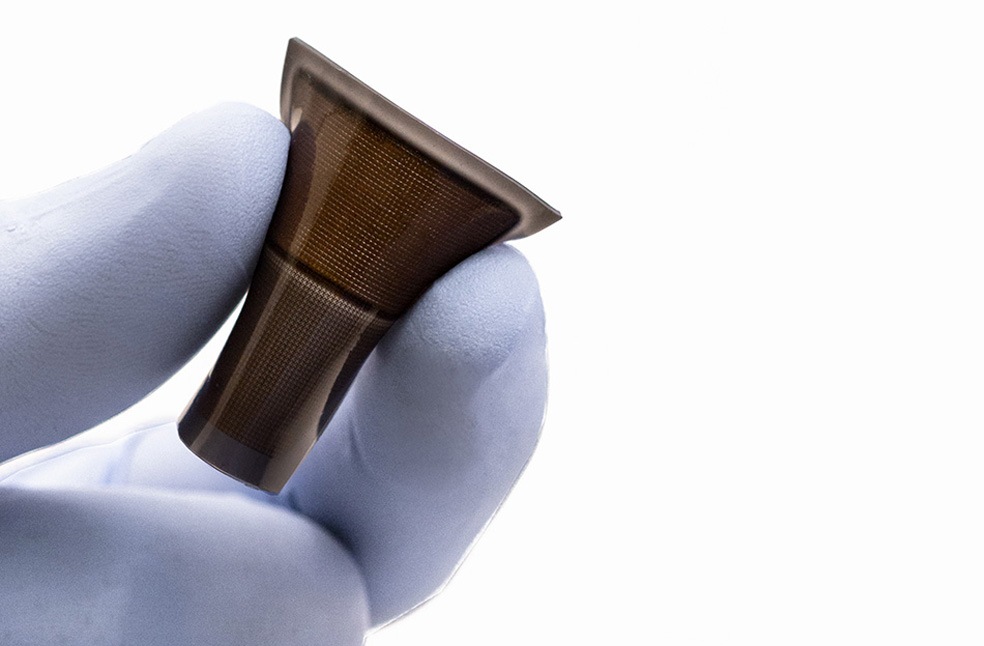
The research team, which includes scientists involved in health technology companies, tested UPatch in clinical trials conducted in both the US and the UK.
In one study involving 62 pregnant participants, the researchers compared blood flow readings from UPatch with those obtained using standard handheld ultrasound devices.
Tom Park, lead author of the study and a PhD student at the UC San Diego Jacobs School of Engineering, said the wearable patch showed close agreement with conventional ultrasound systems across the measurements.
The team also carried out continuous monitoring of foetal heart rate and blood flow for 52 pregnant women. In one pre-eclampsia case, the device identified severe intrauterine growth restriction, prompting a caesarean delivery that helped prevent stillbirth.

Researchers also discovered that foetal blood flow can naturally fluctuate over time, including temporary variations that may not indicate long-term complications. Park said this demonstrates the limitations of relying solely on brief intermittent scans during pregnancy.
The team is now working on a wireless version of the technology, with the long-term aim of creating a wearable ultrasound system that can be comfortably used during daily life, including at home and during routine activities.
Xu added that wearable monitoring technology could be especially valuable in low-resource and low-to-middle-income regions where access to frequent medical imaging may be limited.
Georgieva said the technology has the potential to significantly reduce stillbirth risks while also helping researchers better understand why some babies survive in the womb while others do not, opening new possibilities for future pregnancy research and care.
ALSO READ | World Surf League suspends NZ Pro over safety fears
