


London: Senior doctors in Britain have warned that the impact of social media on children should be treated as seriously as public health risks such as smoking and road safety, and they called on lawmakers to strengthen protections for young people online.
The concerns were raised by the Academy of Medical Royal Colleges in its submission to the UK government’s consultation on online child safety. The organisation represents 23 royal medical colleges and faculties across the UK and Ireland.
The medical body said excessive and unrestricted exposure to technology and digital devices is increasingly affecting the physical and mental well-being of children and young people, describing the issue as one of the most strongly unifying concerns among healthcare professionals in recent years.
According to a survey of 132 doctors, more than half reported seeing at least one case of health-related harm linked to technology or device use every week, while over one-third said they encountered such cases several times weekly.
Doctors highlighted a wide range of harms associated with online exposure, including physical injuries caused by children imitating dangerous acts seen in extreme pornographic content, as well as mental health trauma linked to viewing violent material online.
The warnings come as the Government of the United Kingdom continues consultations on tighter restrictions for children’s use of social media. Measures under discussion include a potential ban on social media access for children under 16, curfews, app usage limits, and restrictions on platform features considered addictive.
Australia became the first country last year to introduce a nationwide ban on social media for children under the age of 16, while several European countries are also considering similar regulations.
Britain’s online safety legislation already requires social media companies to implement measures protecting children from harmful and illegal online content, although the government has indicated it is prepared to introduce stricter controls.
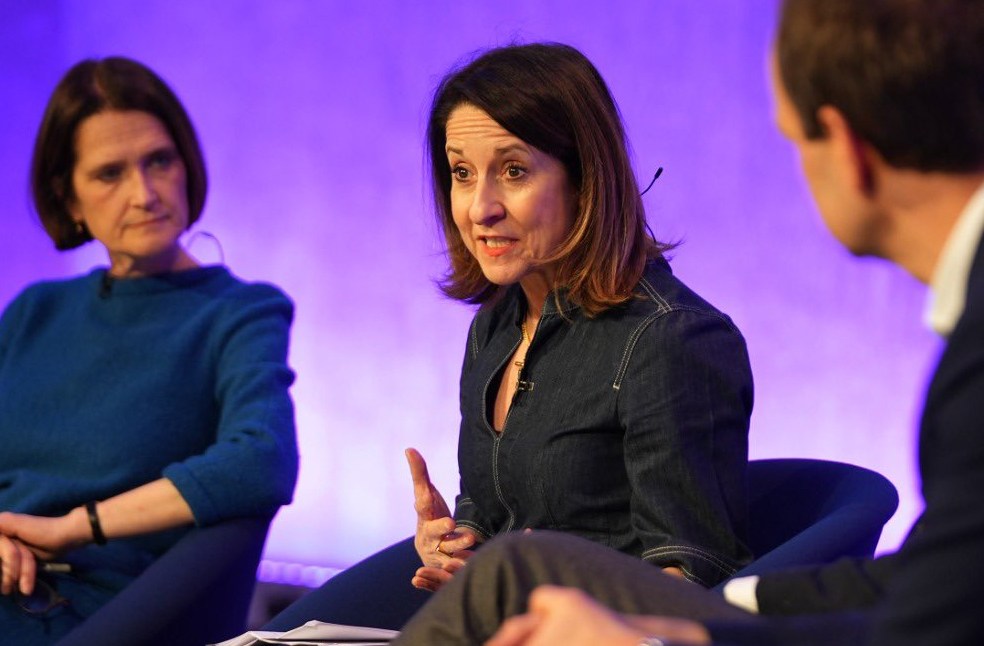
Liz Kendall noted that the government is committed to taking action, whether through a ban on under-16s or by limiting specific platform features and functions.
Meanwhile, hundreds of British families are participating in trials involving social media bans, curfews, and app time restrictions to evaluate their effects on children’s sleep, school performance, and family relationships.
However, experts remain divided over whether a complete ban would be effective, and some young people in London recently told Reuters they opposed restrictions on social media access.
The growing debate highlights increasing global concern over the impact of social media and excessive screen time on children’s health, wellbeing and overall development.
MOST READ | Death toll rises to three in Philippines building collapse
