


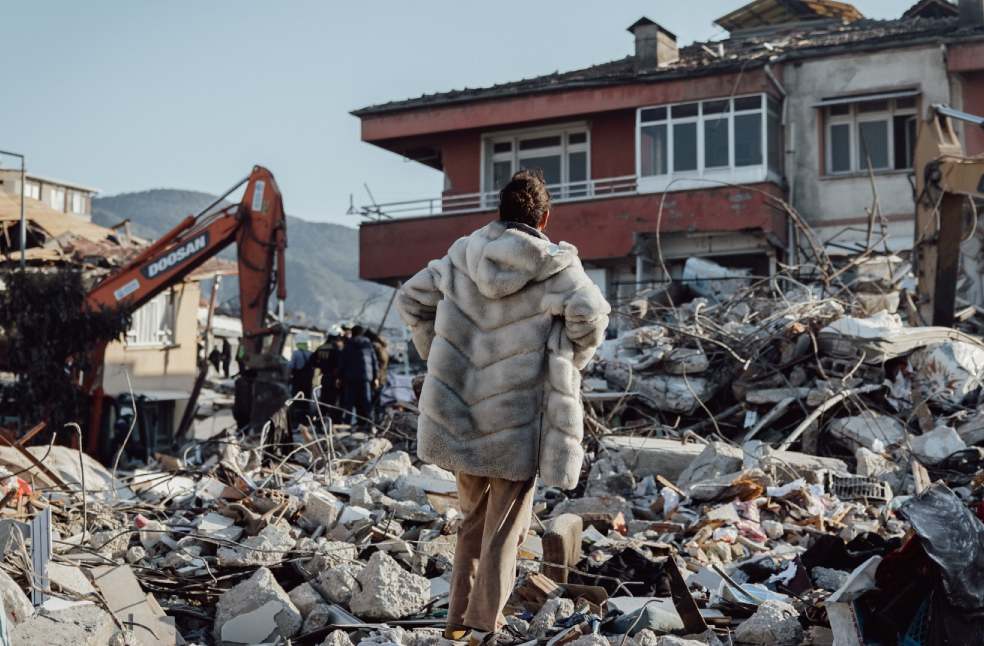
Caracas: Two powerful earthquakes struck Venezuela near the capital Caracas, leaving at least 32 people dead and more than 700 injured, according to Interim President Delcy Rodríguez, as rescue teams race against time to locate survivors trapped beneath collapsed structures.
The seismic disaster began with a magnitude 7.2 earthquake, followed just 39 seconds later by an even stronger magnitude 7.5 tremor, according to the United States Geological Survey (USGS). The back-to-back quakes triggered widespread panic across Venezuela and were felt as far away as Bogotá, Colombia, where precautionary evacuations were carried out. Rodríguez declared a nationwide state of emergency and appointed a general to coordinate the country’s emergency response.
We thank U.S. President Donald Trump and his administration, who have been in constant contact with Venezuelan authorities, offering support and solidarity to the people of Venezuela in the face of this tragedy that has plunged us into mourning. https://t.co/nw2bupuN7C
— Delcy Rodríguez (@delcyrodriguezv) June 25, 2026
Widespread destruction across Caracas
Authorities reported extensive structural damage in several parts of Caracas, particularly in the neighbourhoods of Los Palos Grandes and Altamira, which were also severely affected during the city’s deadly 1967 earthquake.
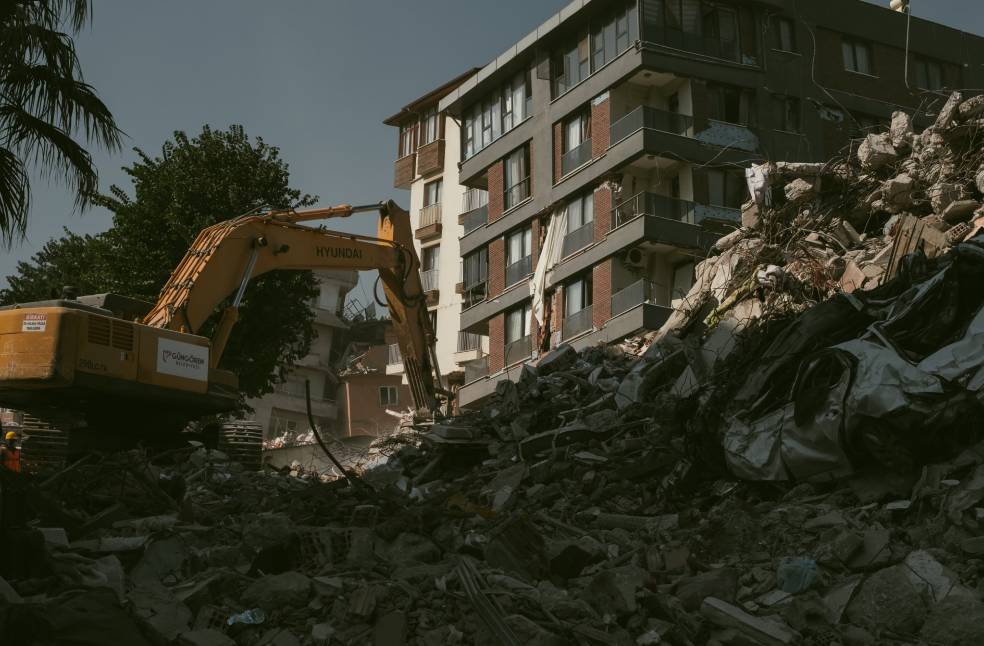
Images emerging from the capital showed collapsed buildings, cracked facades and debris-strewn streets as emergency personnel searched through rubble for survivors. One building, believed to be a bank, was reduced to ruins.
Venezuelan Interior Minister Diosdado Cabello confirmed that multiple states, including Yaracuy, Carabobo, Aragua, Miranda, Trujillo, La Guaira and Caracas, were affected by the powerful tremors.
Casualties expected to rise
The USGS warned that casualties could climb significantly as rescue operations continue. According to preliminary estimates, there is a 44 percent probability that fatalities could exceed 10,000 and a 30 percent chance the death toll could surpass 100,000.
The agency also highlighted a significant risk of landslides and soil liquefaction in affected areas, raising concerns about additional damage and complications for rescue teams.
More than 20 aftershocks have already been recorded since the initial earthquakes, further unsettling residents and hampering emergency operations.
Major infrastructure affected
Maiquetía International Airport, Venezuela’s primary international gateway located outside Caracas, has been temporarily closed after sustaining serious damage during the earthquakes. A tsunami warning was initially issued for Venezuela’s coastline and the nearby Caribbean islands of Aruba and Bonaire. However, authorities later cancelled the alert after further assessments.
The first earthquake struck in Yaracuy state at a depth of approximately 21.9 kilometres at 6:04 pm local time. The second and stronger quake had its epicentre about 23 kilometres southeast of the town of Yumare at a depth of around 10 kilometres.
International support offered
US President Donald Trump said the United States was prepared to assist Venezuela following the disaster. Venezuelan opposition leader and Nobel Peace Prize laureate María Corina Machado also expressed solidarity with victims, saying her thoughts and prayers were with families affected by the catastrophe.
National holiday tragedy
The disaster struck on Venezuela’s national holiday commemorating the historic Battle of Carabobo, a key victory in the country’s fight for independence led by Simón Bolívar in 1821. With many citizens at home due to the holiday, authorities fear the number of victims may continue to rise as emergency crews assess the full scale of the destruction.
Search-and-rescue operations are continuing across the affected regions as officials work to restore communications, assess infrastructure damage and provide emergency shelter to thousands displaced by the disaster.
POPULAR | Power outages hit France as historic heatwave scorches Europe
