



Close Menu

    Get the latest news around the globe

    Editor's Pick

    Enhance women’s health & longevity with simple exercises

    England records 22% rise in Lyme Disease cases

    Climate crisis may cause greater risks to lungs diseases; Experts

    Facebook X (Twitter) Instagram LinkedIn
    Facebook X (Twitter) LinkedIn Instagram
    Britain HeraldBritain Herald
    Subscribe
    • Home
    • World Roundup
    • Business
    • Tech World
    • Entertainment & Events
    • Curious
    • More…
      • Spotlight
      • Knowledge
      • Lifestyle
      • Awareness
      • Women World
      • Sports
      • Travel
      • Notable
      • Contact Us
    Britain HeraldBritain Herald
    Home » Why researchers want UPFs treated like cigarettes
    Lifestyle

    Why researchers want UPFs treated like cigarettes

    Researchers argue ultra-processed foods are deliberately engineered to encourage addiction and overconsumption, posing serious public health risks.
    News DeskBy News DeskFebruary 3, 2026
    Facebook Twitter LinkedIn WhatsApp
    Creative assortment with hamburger menu
    Image Via: Freepik | Cropped by BH

    Washington: Ultra-processed foods (UPFs) have more in common with cigarettes than with natural foods such as fruits and vegetables, and should therefore be subject to much stricter regulation, according to a new academic study.

    The report, authored by researchers from Harvard University, the University of Michigan, and Duke University, argues that UPFs are deliberately engineered to promote addiction and excessive consumption, mirroring the strategies long used by the tobacco industry.

    The researchers highlight strong parallels between cigarettes and UPFs in their production processes, health impacts, and the way manufacturers optimise their products to deliver rapid, repeated stimulation of the brain’s reward pathways.

    UPFs are defined as industrially manufactured food products that often contain artificial colours, flavours, emulsifiers, and other additives. The category includes widely consumed items such as soft drinks, packaged snacks, crisps, biscuits, and sweets, which are now readily available worldwide.

    Cigarettes smoking habbit
    Image Via: Freepik | Cropped by BH

    The paper draws on evidence from addiction science, nutrition research, and public health history, and was published on 3 February in the healthcare journal Milbank Quarterly.

    The authors argue that UPFs meet established benchmarks used to identify addictive substances, as they contain design features that can drive compulsive consumption. However, they stress that the health harms linked to UPFs are significant regardless of whether they are formally classified as addictive.

    The study also criticises industry marketing practices, describing claims such as ‘low fat’ or ‘sugar free’ as a form of ‘health washing.’ The authors compare these tactics to the promotion of cigarette filters in the 1950s, which were advertised as safety innovations but ultimately offered little real health benefit and delayed effective regulation.

    The researchers conclude that many UPFs pose public health risks comparable to tobacco and therefore warrant regulatory responses of similar strength. They suggest that lessons from tobacco control, including litigation, marketing restrictions, and broader structural interventions, could help reduce UPF-related harm.
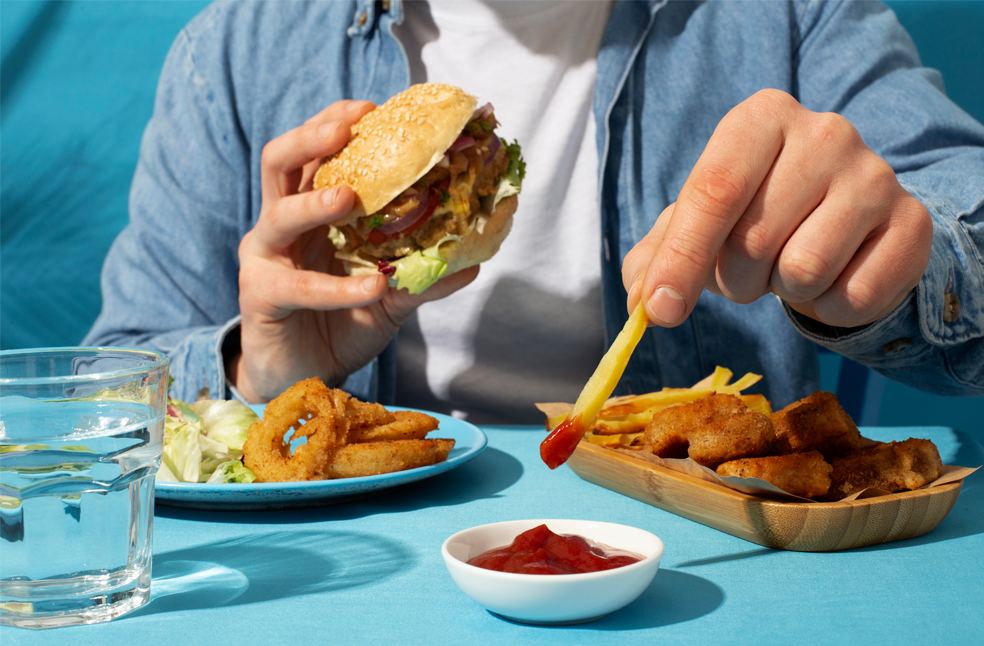
    avatar Close up on delicious fast food meal
    Image Via: Freepik | Cropped by BH

    Central to their argument is a call for public health strategies to move away from blaming individual consumers and instead hold the food industry accountable.

    Professor Ashley Gearhardt of the University of Michigan, a clinical psychologist specialising in addiction and one of the study’s authors, said her patients frequently draw direct comparisons between UPFs and cigarettes.

    The Professor noted that some people who previously smoked now describe the same cravings and sense of loss of control with products such as soda and doughnuts, despite knowing the damage to their health.

    Gearhardt said debates around UPFs follow a familiar pattern seen in addiction research, where responsibility is initially placed on individuals with advice to consume in moderation. Over time, she said, evidence accumulates showing how industries manipulate product design to make substances more difficult to resist.
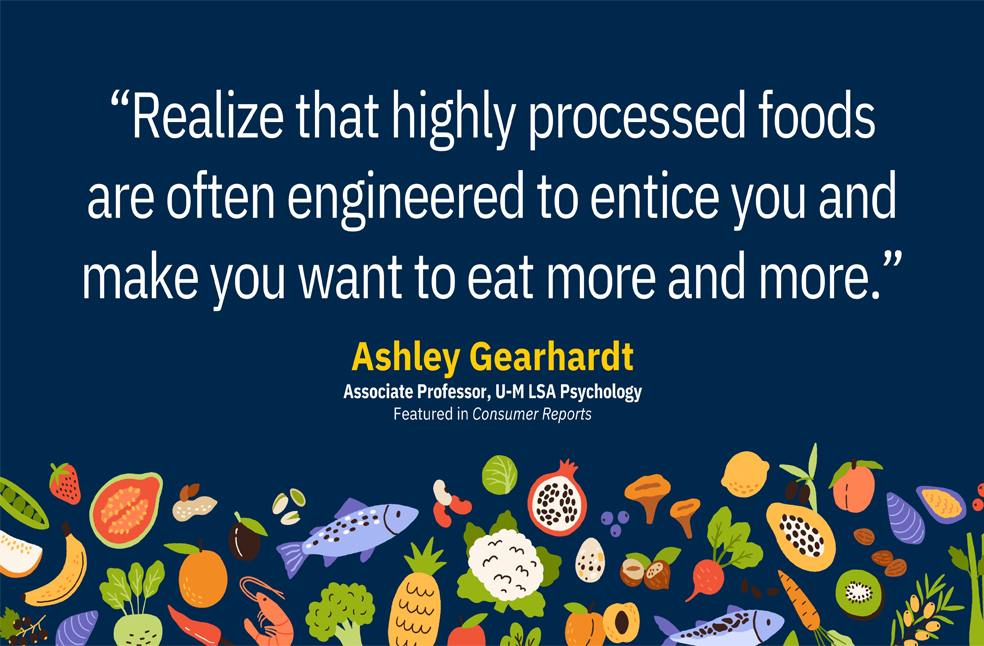
    UPFs and tobacco-Image Via-X-UMich
    Image Via: X@Uni of Munich | Cropped by BH

    While acknowledging that food, unlike tobacco, is essential for survival, the authors argue that this makes regulation even more urgent, as people cannot realistically opt out of the modern food environment.

    Gearhardt added that harmful UPFs could be clearly distinguished from other food products, just as alcoholic drinks are separated from non-alcoholic beverages.

    Not all experts fully support the comparison. Professor Martin Warren, Chief Scientific Officer at the Quadram Institute, a specialist food research centre, said that although there are similarities between UPFs and tobacco, the authors risk going too far.

    Prof Warren questioned whether UPFs are intrinsically addictive in a pharmacological sense, like nicotine, or whether they primarily exploit learned preferences, reward conditioning, and convenience.

    UPFs and tobacco-Image Via-Amref
    Image Credits: Amref Health Africa | Cropped by BH

    The Chief also raised the issue of whether the negative health effects associated with UPFs are caused by their ingredients or by the fact that they displace whole foods rich in fibre, micronutrients, and protective phytochemicals.

    The Professor stated that this distinction is important because it influences whether regulation should mirror tobacco control or instead focus on improving dietary quality, reformulating products, and diversifying food systems.

    Dr. Githinji Gitahi, Chief Executive of Amref Health Africa, noted that the study reinforces growing public health concerns across Africa. He warned that multinational corporations have benefited from a “profitable nexus” of weak government regulation and shifting consumption habits.

    According to Gitahi, this trend is placing new and preventable pressure on already overstretched health systems, and without strong public-led interventions to address rising non-communicable diseases, health systems risk collapse.

    ALSO READ | Verdi-led walkout freezes public transport across Germany

    STAR OF SECTOR 2025
    Addictive Foods Food Industry Accountability Global Health Study Non-Communicable Diseases Nutrition Research Processed Food Risks Tobacco Regulation Ultra-processed Foods
    Share. Facebook Twitter LinkedIn WhatsApp
    Avatar
    News Desk

    The news/article published above has been sourced, compiled, and corroborated by a member of the Britain Herald News Desk Team. If you have any queries or complaints about the published material, please get in touch with us at BritainHerald@Gmail.Com

    Newly Updated

    NHS to offer free high-street cholesterol tests across England

    August 31, 2026

    Djokovic suffers shock US Open exit after emotional defeat

    August 31, 2026

    Thousands hit by delays as Kenya airport strike enters second day

    August 31, 2026
    STAR OF SECTOR 2025

    Business

    Europe’s gas storage drops to lowest level in 13 years

    Business August 29, 2026

    London: EU gas storage levels have fallen to their lowest point in 13 years ahead…

    Holiday Warning: 10 ways to spot misleading hotel reviews

    August 28, 2026

    Global tech firms urge action against rising AI threats

    August 28, 2026

    Nvidia revenue doubles to $96 billion as AI demand surges

    August 27, 2026
    Stay In Touch
    • Facebook
    • Twitter
    • LinkedIn
    • Instagram

    Curious

    Queensland woman gives birth to twins with different biological parents

    August 27, 2026

    Giant Python successfully treated with human cancer therapy

    August 21, 2026

    Forgotten history of dining tables and how we eat

    August 16, 2026

    Earth to witness billions receiving sunlight together

    July 8, 2026

    Get the latest news around the globe

    Knowledge

    Why migration is transforming cities around the world

    Knowledge August 19, 2026

    Migration is transforming modern cities by changing their populations, economies, cultures and urban landscapes. People…

    Forgotten history of dining tables and how we eat

    August 16, 2026

    30 Days of Tai Chi: A new way to move and slow down

    August 15, 2026

    10,000-steps rule: Where did that number actually come from?

    August 2, 2026
    18-EA-387-TryEngineeringSummerInst_BannerAd_300x250_Robot
    About Us
    About Us

    Britain Herald is a UK rooted, digital first media brand focused on business, diaspora, leadership, innovation and international affairs. Built for the emerging authority economy, it values credible expertise, trusted institutions and recognised voices.

    Operated and Managed by WellMade Network, the portal is a sister concern of GCC Business News and Emirati Times.

    Email Us: News@BritainHerald.com
    Whatsapp: +971 5060 12456

    We Have

    NHS to offer free high-street cholesterol tests across England

    August 31, 2026

    Djokovic suffers shock US Open exit after emotional defeat

    August 31, 2026

    Thousands hit by delays as Kenya airport strike enters second day

    August 31, 2026

    Studies explore link between inflammation and mental health

    August 31, 2026

    Russia, China leaders gather for SCO summit in Kyrgyzstan

    August 31, 2026
    Facebook X (Twitter) LinkedIn Instagram
    • Home
    • Business
    • Tech World
    • Awareness
    • Contact Us
    Privacy & Cookies Policy | Terms & Conditions
    © 2002 BritainHerald.com, An Initiative by WellMade Network

    Type above and press Enter to search. Press Esc to cancel.