


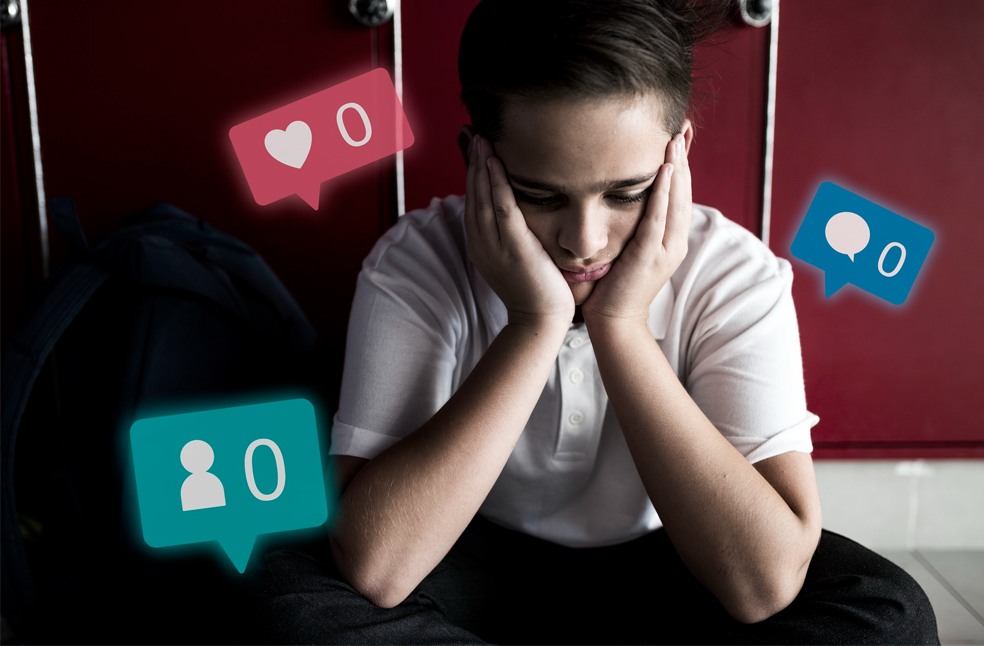
London: The UK government is launching a pilot programme to test social media restrictions in the homes of 300 teenagers, introducing measures such as complete app bans, overnight curfews, and daily usage limits.
The trial will divide participants into four groups: three experiencing varying restrictions and one acting as a control group with no changes, to compare outcomes.
The initiative is being conducted alongside a national consultation examining whether the UK should follow Australia’s approach and make it illegal for under-16s to access many social media platforms.
Technology Secretary Liz Kendall said the trials are designed to test different approaches in real-life settings and gather evidence based on the experiences of families.
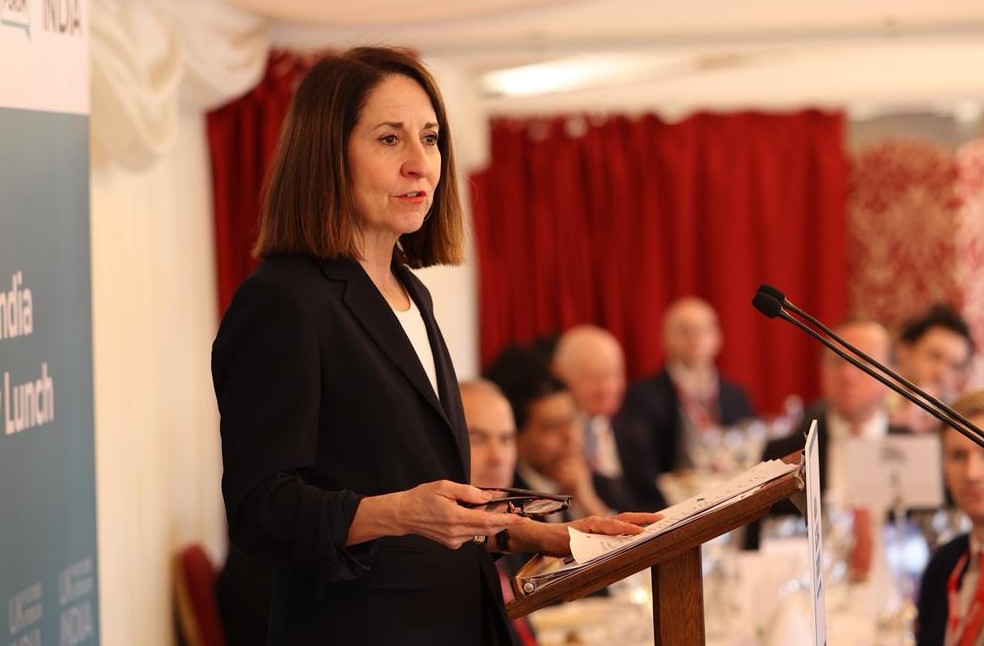
Teenagers and their parents involved in the programme will be interviewed before and after the trial to evaluate its impact on sleep, schoolwork, and family life. The consultation, which remains open until May 26, has already received nearly 30,000 responses.
Under the pilot, one group will have the most popular social media apps completely disabled, simulating a full ban, while another will be limited to 60 minutes of daily use. A third group will face overnight restrictions, with apps blocked between 9 pm and 7 am.
Researchers will also examine practical challenges, including how easily parental controls can be implemented and whether teenagers find ways to bypass them.
The findings will be analysed by government officials and academics alongside consultation feedback from families. Ministers say the pilot will be supported by what they describe as the world’s first major scientific study into the effects of reducing social media use among adolescents.
This independent study, funded by the Wellcome Trust, will be co-led by the Bradford Institute for Health Research and the University of Cambridge.
It will involve 4,000 students aged 12 to 15 from 10 secondary schools in Bradford and will assess the impact of reduced social media access on wellbeing indicators such as sleep, anxiety levels, social interaction, school attendance, and bullying.
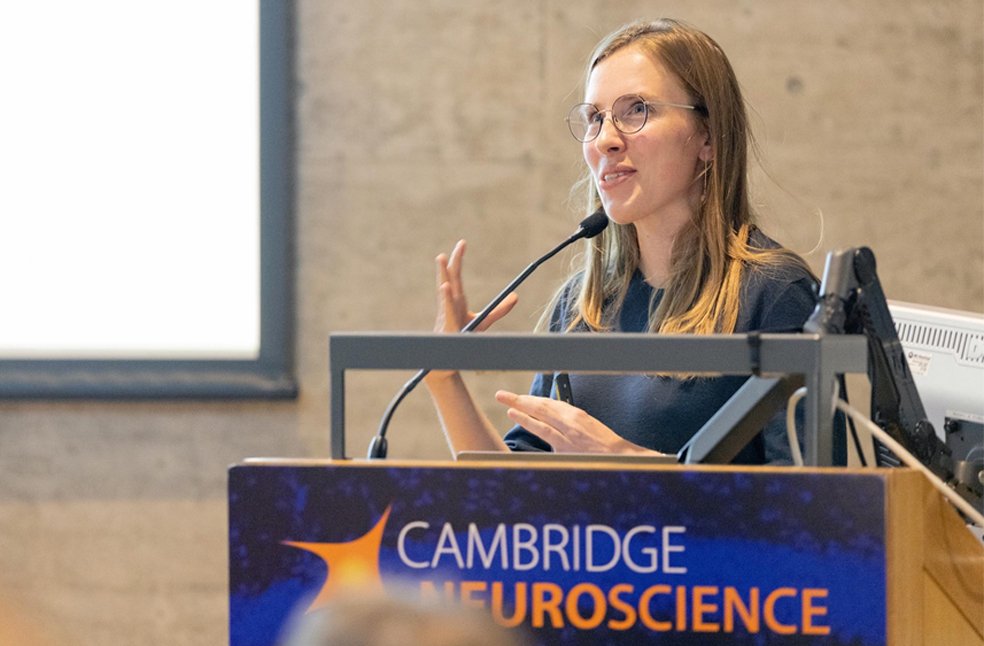
Professor Amy Orben noted that the research aims to address the current lack of robust data on both the effects of social media on young people and the outcomes of restricting access. The proposal has gained political backing and international attention, with countries including France, Spain, and Indonesia also considering similar restrictions.
However, views remain divided among experts and campaigners. Some warn that bans could be easily circumvented or push children towards less regulated online spaces, while others argue that technology companies should prioritise making platforms safer rather than relying solely on restrictions.
Rani Govender of the NSPCC said that the charity supports efforts to improve online safety but emphasised the need for decisive action once the trial and consultation conclude.
Govender stressed that tech companies must embed safety into devices, platforms, and AI tools to prevent children from accessing harmful or illegal content, adding that a ban on under-16s would be preferable if meaningful safeguards are not implemented.
Meanwhile, the Molly Rose Foundation remarked that it was right for the government to consult and test measures rather than rushing into policies that may not be effective.
Chief executive Andy Burrows noted that parents are seeking evidence-based solutions to protect children online, and the pilot programme could provide valuable insights into the feasibility and practicality of future interventions.
ALSO READ | Mbappé declares full fitness ahead of World Cup 2026
