


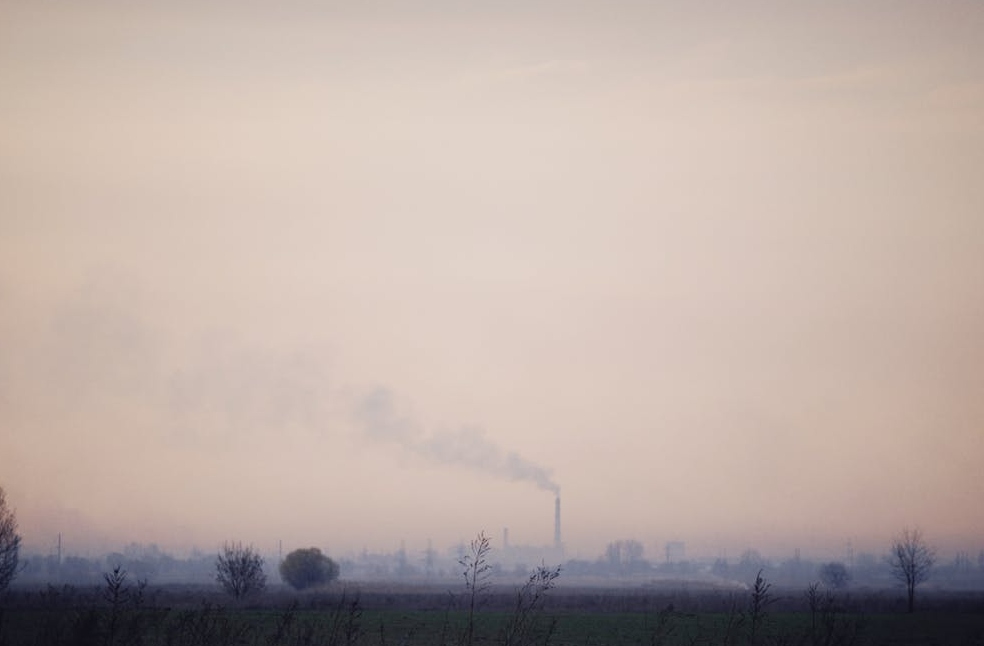
Islamabad: Pakistan has been ranked the most polluted country in the world in 2025, with hazardous air quality levels significantly exceeding global safety standards.
The latest data has placed Pakistan at the top of the global list, followed by Bangladesh and Tajikistan, highlighting growing environmental and health concerns across the region. According to the report, Pakistan recorded an average PM2.5 concentration of 67.3 micrograms per cubic metre, reaching up to 13 times higher than the World Health Organisation guideline.
Bangladesh followed with 66.1 micrograms per cubic metre, while Tajikistan reported 57.3. Chad and the Democratic Republic of the Congo also featured among the most polluted countries.
The situation in Pakistan has been further reflected in regional city data, with South Asia dominating the list of the most polluted urban areas. Loni in India’s Uttar Pradesh has been identified as the most polluted city globally, with an annual PM2.5 concentration of 112.5 micrograms per cubic metre. The world’s 25 most polluted cities have all been located across India, Pakistan and China.
The report has also highlighted sharp contrasts in global air quality. Nieuwoudtville in South Africa has recorded the cleanest air, with PM2.5 levels at just 1.0 micrograms per cubic metre. Several countries and territories, including Iceland, Australia and Estonia, have maintained pollution levels within recommended limits.
Despite improvements in some regions, global air quality remains a concern. Only 14 percent of cities worldwide have met the World Health Organisation standard, a decline from the previous year. At the same time, around 91 percent of countries and territories have exceeded safe pollution levels.
Experts have pointed out that the findings reflect worsening environmental conditions in densely populated and industrial regions. The ranking of Pakistan has drawn attention to the urgent need for stronger environmental measures, improved monitoring systems and long-term strategies to reduce emissions.
Air pollution continues to pose serious risks to public health, contributing to respiratory diseases and reduced life expectancy. The latest data has reinforced concerns about the long-term impact of poor air quality, particularly in countries like Pakistan where pollution levels remain critically high.
DON’T MISS | Asia stocks decline on fears of wider Middle East war
