


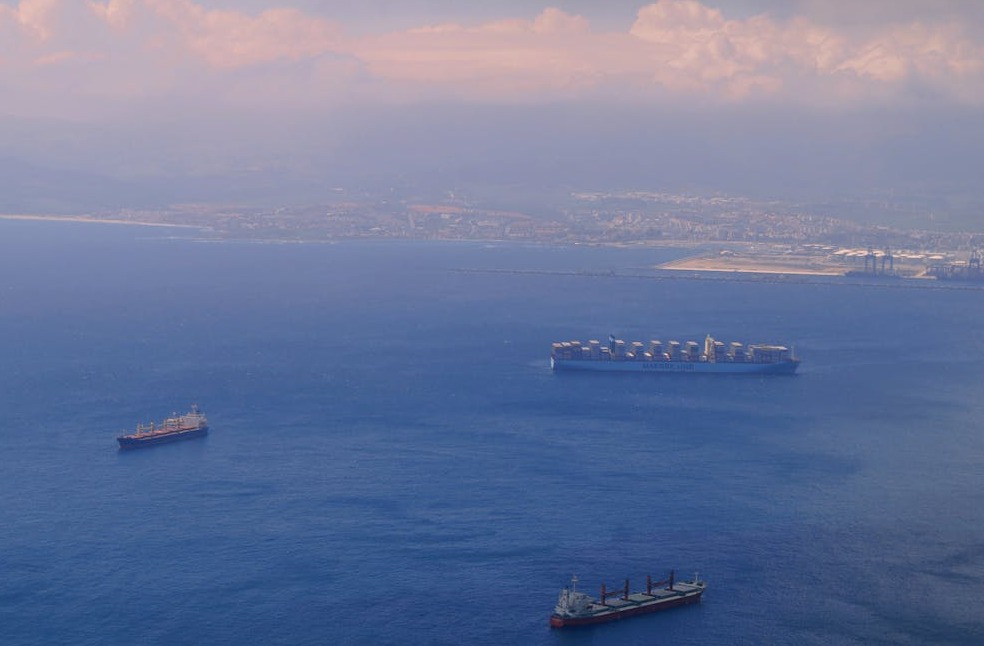
Tehran: The Strait of Hormuz has remained at the centre of global attention as Iran has announced that non-hostile ships may safely pass through the key waterway under certain conditions. The move has come amid a sharp decline in maritime traffic and growing concerns over disruptions to global energy supplies.
Iran’s mission to the United Nations has stated that vessels can transit the Strait of Hormuz provided they do not engage in or support actions against Iran and fully comply with safety and security regulations. Ships are also required to coordinate with Iranian authorities before passing through the route, although specific operational details have not been outlined.
The Strait of Hormuz is one of the most critical global shipping channels, through which around 20 percent of the world’s oil and liquefied natural gas typically flows. Since the escalation of conflict involving the United States and Israel, traffic through the waterway has dropped significantly, disrupting supply chains and contributing to rising energy prices.
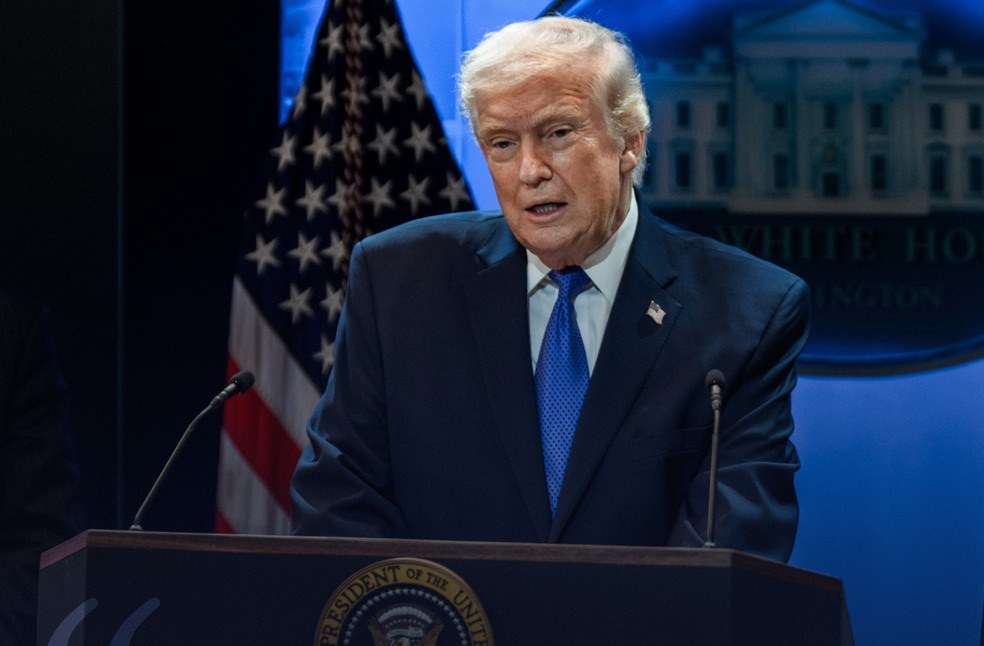
US President Donald Trump has also indicated that discussions are under way to end the conflict, signalling potential diplomatic efforts that could influence the situation around the strait. These developments have been closely watched by global markets, given the strategic importance of the route.
Data has shown that only a limited number of vessels are currently transiting the strait each day, compared to around 120 daily crossings before the conflict began. The sharp decline has reflected heightened security risks and uncertainty among shipping operators.
Earlier in the conflict, Iran had warned that ships attempting to pass through the Strait of Hormuz could face attacks. However, recent statements have indicated a more controlled stance, allowing passage for vessels considered non-hostile while maintaining restrictions on others.
The disruption in shipping activity has played a key role in driving global fuel prices higher, with analysts warning that prolonged instability could lead to further increases. At the same time, reports of potential negotiations have provided some relief to markets, with oil prices showing signs of easing and Asian stock markets recording gains.
Despite these developments, the situation around the Strait of Hormuz remains uncertain. The waterway continues to be closely monitored due to its critical importance to global energy flows and its role in shaping market stability amid ongoing geopolitical tensions.
TOP PICKS | New Zealand offers cash aid as fuel prices surge
