


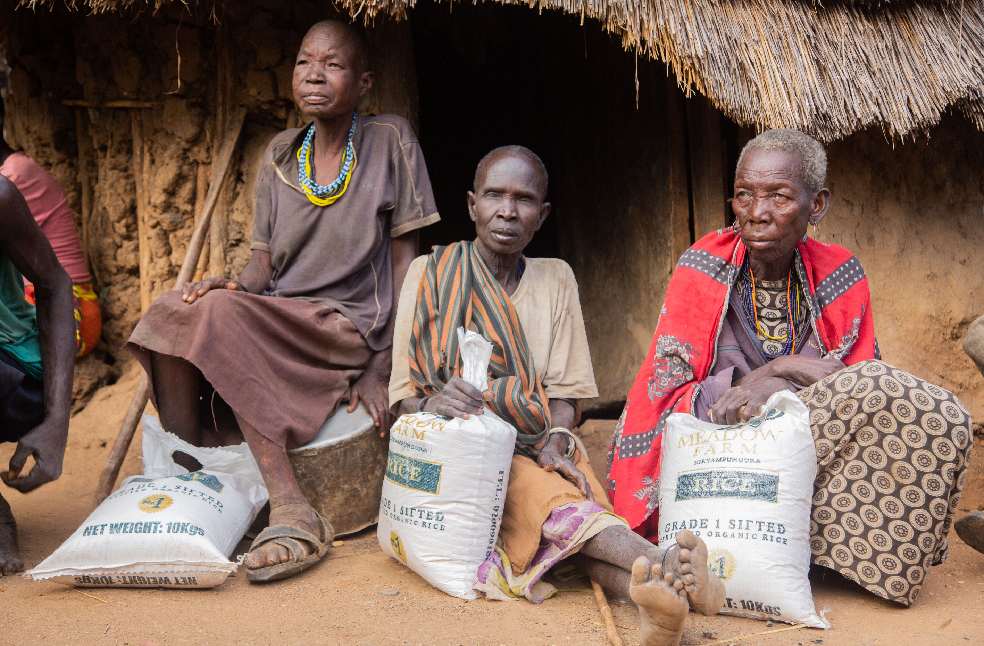
Kampala: Uganda launched emergency food aid after 19 people died from hunger in the drought-hit Karamoja region, where food shortages continue to worsen.
Authorities acted after months of drought and failed harvests left nearly 1.5 million residents facing acute food shortages. The crisis intensified across Karamoja where rainfall remained far below expected levels. Crops withered. Livestock conditions also declined, worsening food insecurity.
The Famine Early Warning Systems Network (FEWS NET) reported that conditions across the region deteriorated into a full crisis phase. The warning highlighted rising malnutrition rates and increasing pressure on already limited resources.
The government announced plans to distribute 9,400 tonnes of relief food over two months. The programme received funding through an allocation of UGX 45 billion ($12.2 million). The move followed a funding gap created after major international aid reductions.

Agnes Kirabo, Executive Director of the Food Rights Alliance (FRA), noted that the government is stepping in due to changing aid patterns. Funding cuts from donors like USAID reduced humanitarian support. The World Food Programme scaled back aid, cutting access for over 1 million people and reducing rations for 663,000 others.
Sam Engola, Minister for Disaster Preparedness and Refugees, launched the distribution effort in Kaabong district. The rollout began at a primary school in Lodiko sub-county. The minister indicated that the intervention aims to stabilise food access in the most affected communities.
Health facilities across Karamoja reported a surge in severe malnutrition cases among children. A nutrition assessment published in June found that nearly half of the population in Kaabong and Kotido districts remains in crisis conditions. Clinics continue to treat hundreds of cases linked to prolonged food shortages.
In 2022, a severe hunger crisis led to more than 2,200 deaths, according to the Uganda Human Rights Commission. Experts linked the crisis to climate shocks and environmental damage. Deforestation, overgrazing, and poverty reduced land productivity and resilience.
ALSO READ | Typhoon Noul strikes southern China, halts Hong Kong transport
