


Abu Dhabi: The UAE OPEC exit marks a significant turning point in global energy politics, with the United Arab Emirates confirming it will leave both OPEC and OPEC+ effective May 1, 2026.
The UAE joined OPEC in 1967 and has been one of its key members. Its departure will reduce the group’s overall production capacity and influence in global oil markets.
Officials have said the UAE OPEC exit will allow the country greater flexibility in managing its oil production. By stepping away from group quotas, the UAE aims to respond more effectively to global energy demand.
أعلنت دولة الإمارات العربية المتحدة اليوم قرارها بالخروج من منظمة الدول المصدرة للنفط “أوبك” و “أوبك +” على أن يسري القرار اعتباراً من الأول من مايو 2026.
ويتماشى هذا القرار مع الرؤية الإستراتيجية والاقتصادية طويلة الأمد لدولة الإمارات وتطور قطاع الطاقة لديها بما في ذلك تسريع… pic.twitter.com/Nmdg7VxeMi
— وزارة الطاقة والبنية التحتية (@MOEIUAE) April 28, 2026
The decision follows substantial investments by the UAE to expand its oil production capacity. Analysts say the country has long sought the freedom to increase output beyond limits set by OPEC agreements. Energy experts have described the move as a major development, with some suggesting it could weaken the alliance over time. The exit has raised questions about whether other countries might follow.
The broader OPEC+ group, which includes non-OPEC producers, could also face pressure as the balance within the alliance shifts. The UAE OPEC exit is seen by some as aligning with global calls for increased oil supply, including pressure from Donald Trump to lower energy prices.
Despite the announcement, the immediate impact on global oil supply is expected to be limited due to ongoing disruptions in the Strait of Hormuz, a key shipping corridor for energy exports.
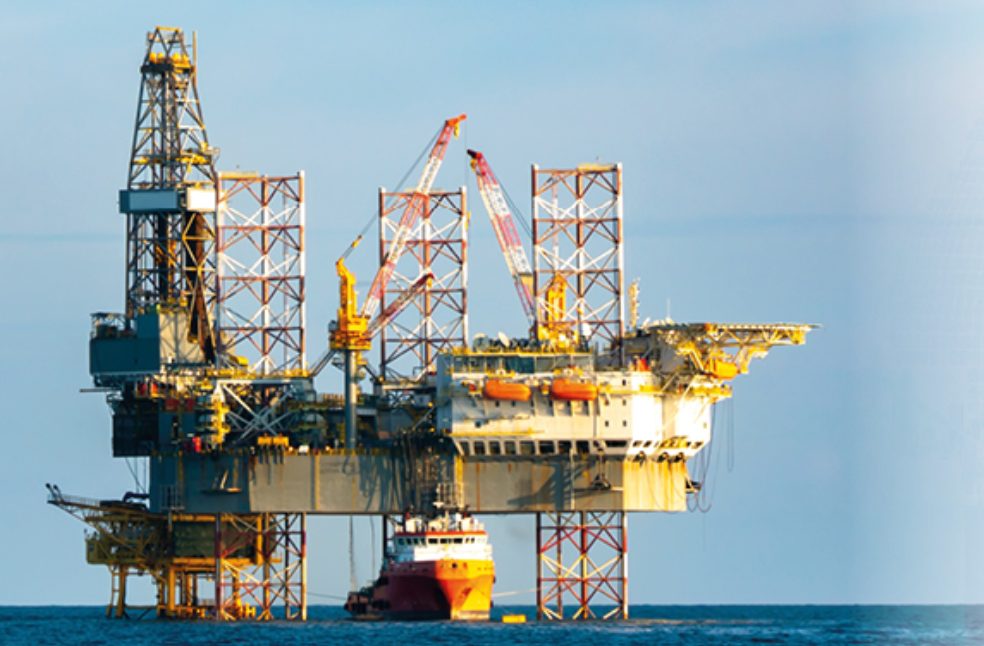
Economists have suggested that in the long term, the UAE’s move could lead to higher production levels and potentially lower oil prices, although it may also increase market volatility. The UAE’s strategy reflects a broader shift towards balancing energy security, economic growth and global market competitiveness.
The UAE OPEC exit highlights changing dynamics in the oil market, as countries reassess their positions within traditional alliances.
As the departure takes effect, global markets will be watching closely to assess its impact on supply, pricing and the future of oil cooperation frameworks.
IMPORTANT | China halts Meta’s $2bn Manus AI acquisition plan
