



Global oil prices have risen after plans for a second round of peace talks between the United States and Iran were delayed, increasing uncertainty in already volatile energy markets.
Brent crude, the global benchmark, rose nearly 2% to $107.26 per barrel, while US crude gained around 1% to $95.40. The uptick in oil prices reflects growing concerns over supply disruptions linked to ongoing tensions in the Middle East.
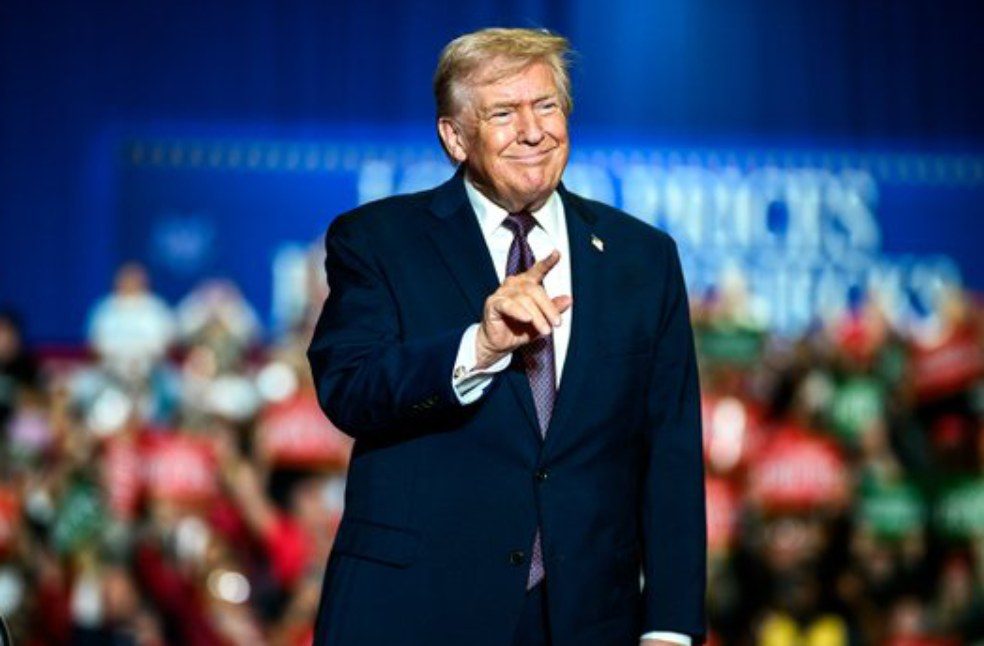
Donald Trump confirmed that Washington had cancelled plans to send a delegation to Pakistan for negotiations with Iranian officials. The decision has raised doubts about the progress of diplomatic efforts to ease the conflict.
Energy markets have been under pressure since the beginning of the Iran war, particularly due to disruptions in the Strait of Hormuz. The waterway is a critical corridor for global oil and gas shipments, with around one-fifth of supply passing through it.
Iranian Foreign Minister Seyed Abbas Araghchi has said discussions are ongoing with regional partners, including Oman, to ensure safe transit in the region. However, uncertainty continues to weigh on market sentiment.
The rise in oil prices has been driven not only by supply concerns but also by trader caution. Analysts have noted that markets are waiting for concrete signs of de-escalation rather than relying on temporary ceasefire announcements.
Experts have warned that prolonged disruption in the Strait of Hormuz could have far-reaching consequences beyond energy markets, affecting global supply chains and consumer goods prices.
Despite the increase in oil prices, stock markets in parts of Asia have continued to perform strongly, with major indices in Japan and South Korea posting gains.
However, economies heavily dependent on energy imports from the Gulf remain vulnerable to further price spikes and supply constraints. The latest developments highlight the fragile balance between diplomacy and conflict, with oil prices continuing to respond sharply to geopolitical signals.
Market participants are expected to closely monitor any signs of renewed negotiations or further escalation, as these will play a key role in determining the direction of oil prices in the coming weeks.
TRENDING | Punjab smash record IPL chase to stun Delhi Capitals
