


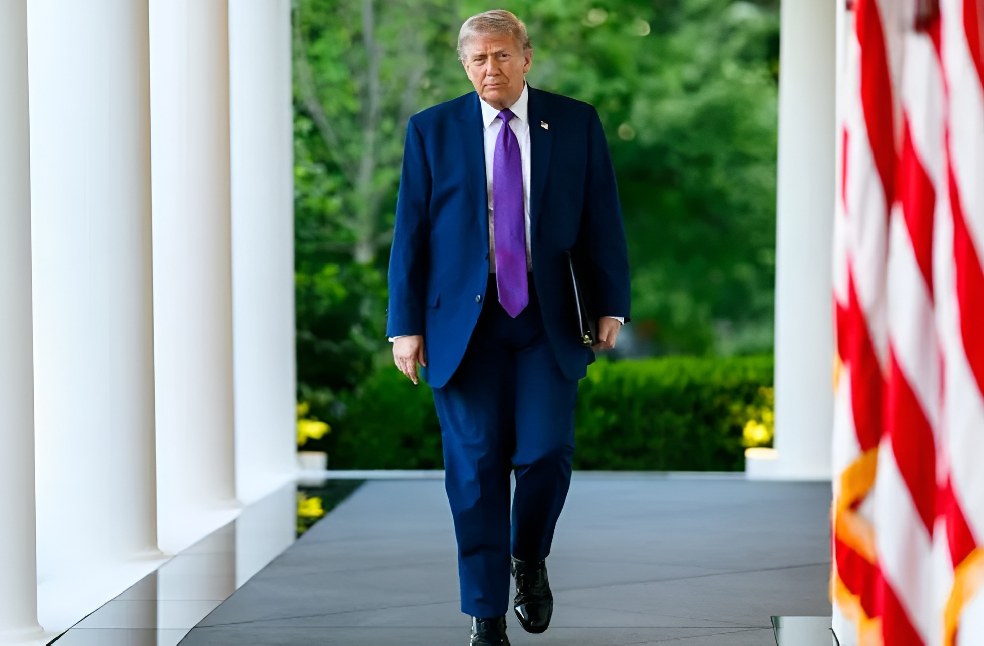
Washington: US President Donald Trump has waived several key sanctions targeting Russia, just two days before they were due to take effect, drawing criticism from American lawmakers and Ukrainian President Volodymyr Zelenskyy as tensions between Washington and Kyiv continue to escalate.
Trump issued an executive order, stating that suspending certain sanctions was in the US national interest. The measures had been passed by the US Congress and signed into law by Trump in September. However, the decision to waive several provisions has triggered a backlash, with critics accusing the administration of weakening pressure on Moscow over its war in Ukraine.
Zelenskyy expressed disappointment with Washington’s decision, stating the US had chosen to completely disregard the sanctions. He argued that the measures could have helped significantly in pressuring Russia to end the conflict.
The legislation was designed to target Russia’s economy and gave Trump broad powers to impose tariffs of up to 100 percent on imports from the five largest purchasers of Russian oil and gas, including China and India. It also included provisions for sanctions against senior Russian officials, including President Vladimir Putin, financial institutions and vessels belonging to Moscow’s so-called shadow fleet, which is used to circumvent existing restrictions.
Russian envoy Kirill Dmitriev welcomed the decision, describing the waiver as an important and truly historic moment. In a post on X, he argued that the sanctions would have caused serious damage, particularly to the US and global markets, while maintaining that economic cooperation could benefit both countries.
However, the move drew strong criticism from US Democrats. Virginia Congressman Don Beyer accused Trump of abandoning Ukraine and undermining the intention of Congress to penalize Russia for its invasion.
The latest decision comes amid increasingly strained relations between Trump and Zelenskyy. Their disagreements have intensified following Washington’s temporary suspension of certain sanctions to facilitate Russian diesel imports, a move aimed at easing rising energy prices in the US with the Iran war.
Zelenskyy criticized the arrangement, suggesting that it amounted to the US indirectly supporting Russia’s war effort. Trump later claimed that Moscow and Kyiv had agreed to an energy ceasefire to facilitate Russian diesel exports. However, both sides continued attacking each other’s energy infrastructure.
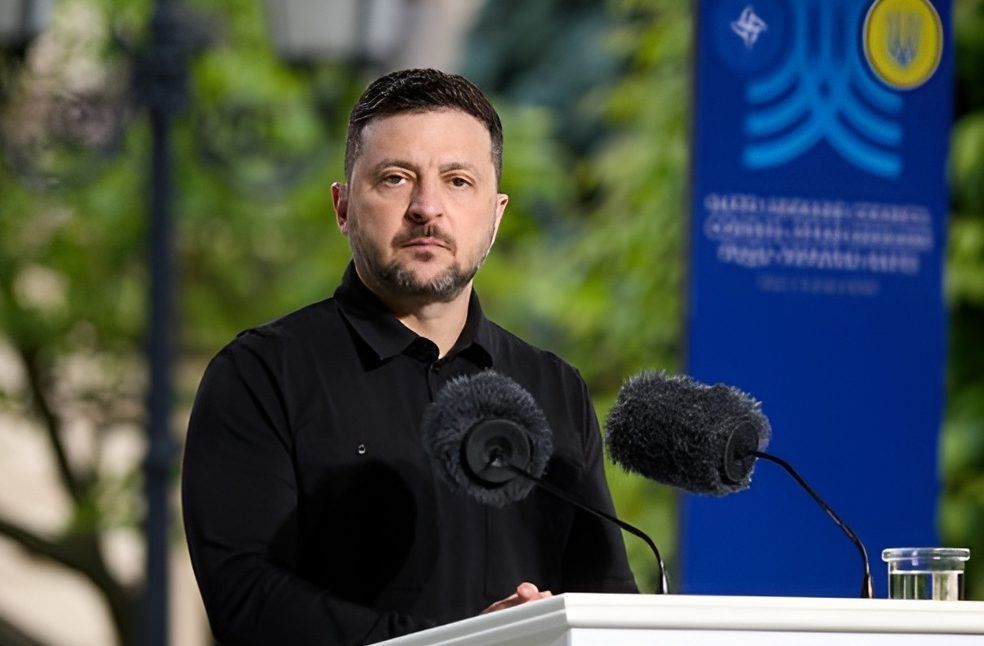
Zelenskyy initially indicated that Ukraine would halt its strikes if Russia did the same. After further Russian attacks, Kyiv resumed strikes on Russian oil refineries, prompting Trump to describe the Ukrainian operations as a disgrace. Zelenskyy responded that he was defending Ukraine’s national interests.
Concerns in Kyiv have also grown following disruptions to the Starlink satellite network used by Ukrainian forces. Restrictions on drone speeds while maintaining internet connectivity reportedly affected some battlefield operations and complicated Ukraine’s ability to defend against Russian attacks. Zelenskyy remarked that Starlink speeds had not been fully restored. Trump has denied deliberately slowing the network or halting intelligence-sharing with Ukraine.
Meanwhile, Russian attacks on Ukrainian territory have continued. Ukrainian authorities reported that at least nine people had been killed and around 60 injured in strikes across the country over a 24-hour period.
In Kherson, an ambulance driver was killed, and 20 others were injured in Russian strikes. Russia’s Defence Ministry said its forces had targeted facilities connected to Ukraine’s defence industry, including steelworks, an electrical substation and a cargo vessel in the Black Sea.
Zelenskyy also warned that Russian attacks on 15 Ukrainian energy facilities overnight had caused power cuts in several regions ahead of winter. He urged the international community, including Americans, to recognise the situation on the ground as Ukraine faces continued attacks on its critical infrastructure.
MOST READ | US Coast Guard rescues 16 after boat sinks off Mexico
