


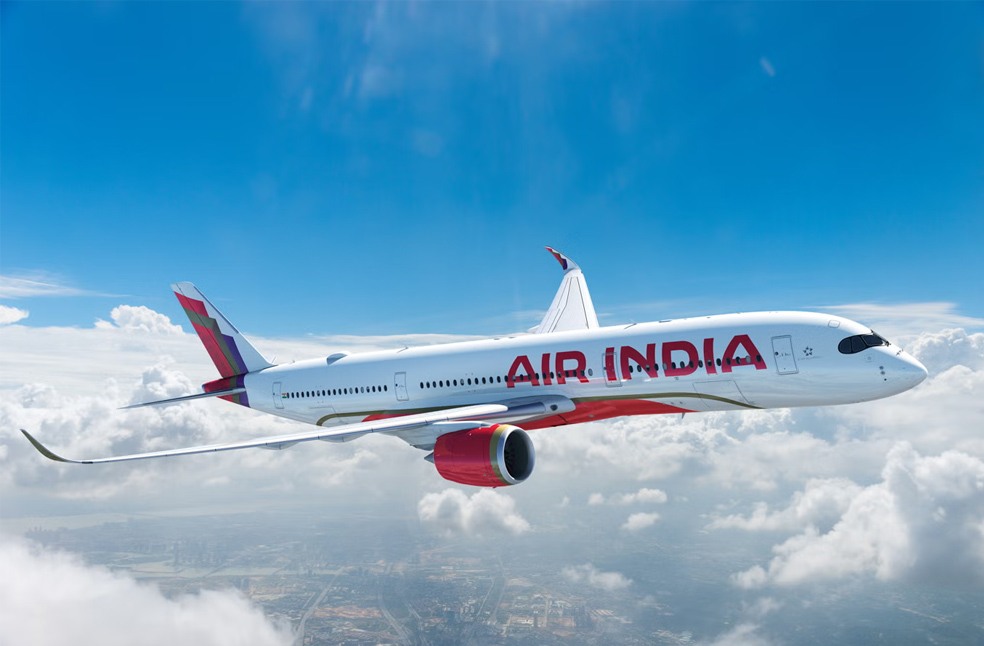
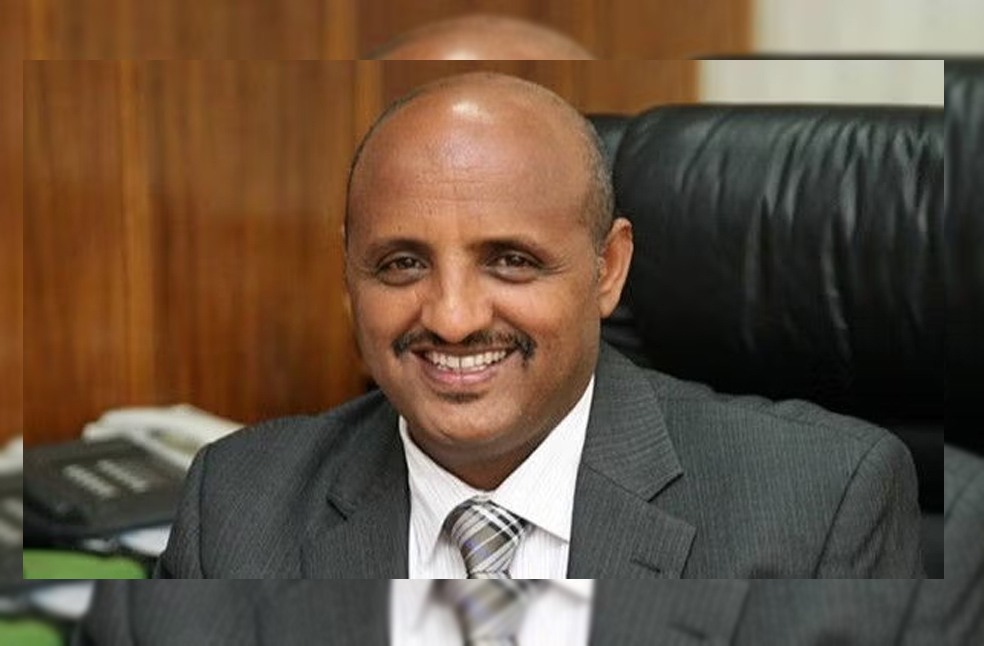
New Delhi: Air India has formed a dedicated team to identify cost-saving opportunities across its operations and tightened spending approvals as the airline faces airspace disruptions, the Middle East conflict, and elevated jet fuel prices, CEO Tewolde Gebremariam stated in an internal memo to employees on October 15.
The airline is under increasing pressure to return to profitability and rebuild confidence in its safety standards. It recorded a loss of more than $2 billion in the financial year ended March and has faced regulatory scrutiny following a fatal crash in June 2025 that killed 260 people.
In August, reports stated that Air India was seeking around $1.5 billion in fresh equity from its owners, Tata Sons and Singapore Airlines, as its financial losses continued to mount.
The carrier has also faced safety and compliance issues, including operating aircraft without valid certifications. Pakistan’s airspace ban and disruptions linked to the Middle East conflict have forced the airline to take longer routes, cancel flights and reduce international services.
Efforts to modernise its ageing fleet have also been affected by shortages of seats and other components, delaying cabin upgrades. Air India is seeking to defer deliveries of hundreds of aircraft on order to control costs.
The challenges confront Gebremariam, who took over as CEO in August, as he works to turn around the airline. Air India has not reported a profit since returning to private ownership in 2022.
In the memo, Gebremariam noted that the airline had established a cross-functional team to identify savings across the organisation. The CEO also announced an employee initiative to reward suggestions that reduce costs or increase revenue, urging staff to make frugality and accountability part of their everyday decisions.
Air India’s latest cost-cutting measures mark another step in its efforts to stabilise finances and return to profitability. The success of the initiative will depend on how effectively the airline manages rising operating expenses, resolves fleet and safety challenges, and restores confidence among passengers and regulators.
MOST READ | Pope Leo XIV diagnosed with lung cancer after surgery
