



Wellington: Fuel relief has been introduced by the New Zealand government as households face rising petrol costs driven by the ongoing global energy crisis. The initiative aims to support families struggling to manage daily expenses as fuel prices continue to climb.
Under the policy, nearly 150,000 families are set to receive weekly cash payments beginning 1 April. Around 143,000 families with children will receive NZ$50 per week through an increase in the in-work tax credit, while an additional 14,000 families on slightly higher incomes will also qualify for support, though at a lower amount.
The payments will remain in place for up to one year or until petrol prices drop below NZ$3 (£1.30) per litre for four consecutive weeks. The fuel relief measure comes as petrol prices in New Zealand have risen by approximately 40 to 50 cents per litre since tensions escalated in the Middle East.
The average cost of unleaded fuel has crossed NZ$3 per litre, increasing pressure on household budgets. Some fuel stations have also reported temporary shortages as demand has surged amid concerns over supply.
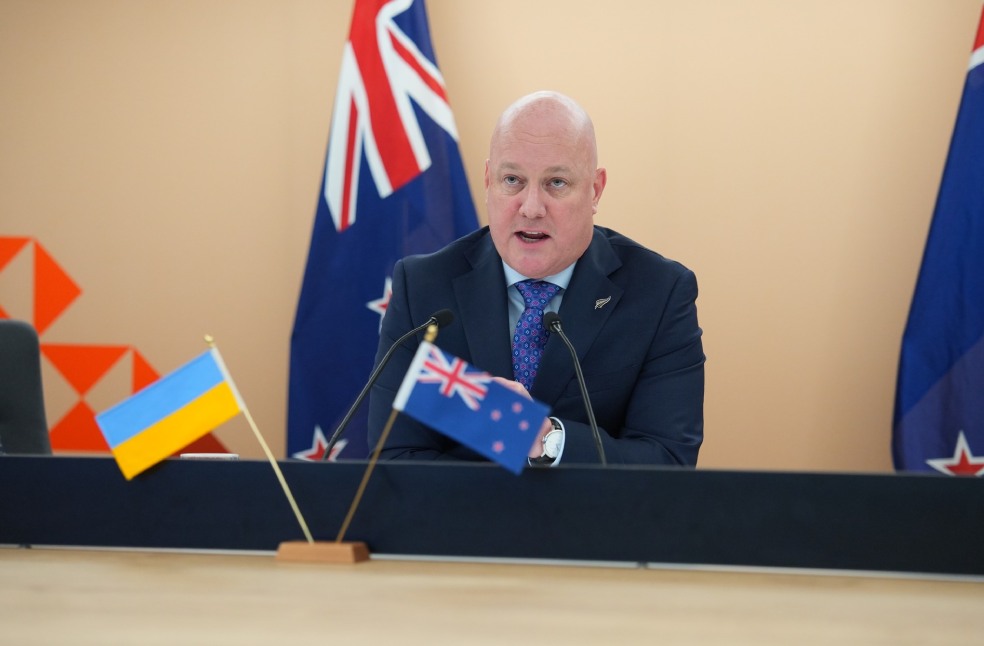
Prime Minister Christopher Luxon has indicated that maintaining fuel supply remains a priority, while acknowledging the financial strain caused by rising fuel costs. Finance Minister Nicola Willis has stated that the policy is designed to support working families who are not eligible for benefits but are experiencing cost-of-living pressures.
Despite the rollout, criticism has emerged regarding the limited scope of the fuel relief package. Opposition voices have pointed out that beneficiaries, retirees and unpaid carers are not included in the scheme, raising concerns about gaps in support for vulnerable groups.
Globally, governments have been taking different approaches to address the fuel crisis, including tax cuts, subsidies and price controls. New Zealand’s approach stands out as one of the first to provide direct cash payments to citizens specifically to offset fuel costs.
The country’s reliance on imported energy and global supply chains has made it particularly sensitive to disruptions caused by geopolitical tensions. As uncertainty continues in global energy markets, the fuel relief programme is expected to offer temporary financial support while broader conditions remain unstable.
MOST READ | US faces extreme weather as climate crisis signals grow
