



Seoul: South Korea has recorded its highest temperature since modern weather records began in 1904, as an intense heatwave swept across the country and authorities urged residents to stop all outdoor activities in the worst-affected areas.
According to the Korea Meteorological Administration (KMA), the southeastern city of Yangsan reached 42.5°C on August 2 afternoon, setting a new national temperature record.
Yangsan has experienced temperatures above 40°C for five consecutive days, while cities including Daegu and Busan have also recorded temperatures in the high 30s. The extreme heat has driven many residents indoors, with shopping malls, cafés and other air-conditioned venues providing relief from the soaring temperatures.
In Seoul, mist-spraying stations have been set up across the city to help people cool down. The city of Gyeongju, located about 240 kilometres southeast of Seoul, recorded 40.3°C on August 2, its highest temperature in eight years.
The heatwave has also affected North Korea, where state media reported temperatures reaching 40°C in some regions. Residents of Pyongyang have endured a week of tropical nights, with overnight temperatures remaining above 25°C.
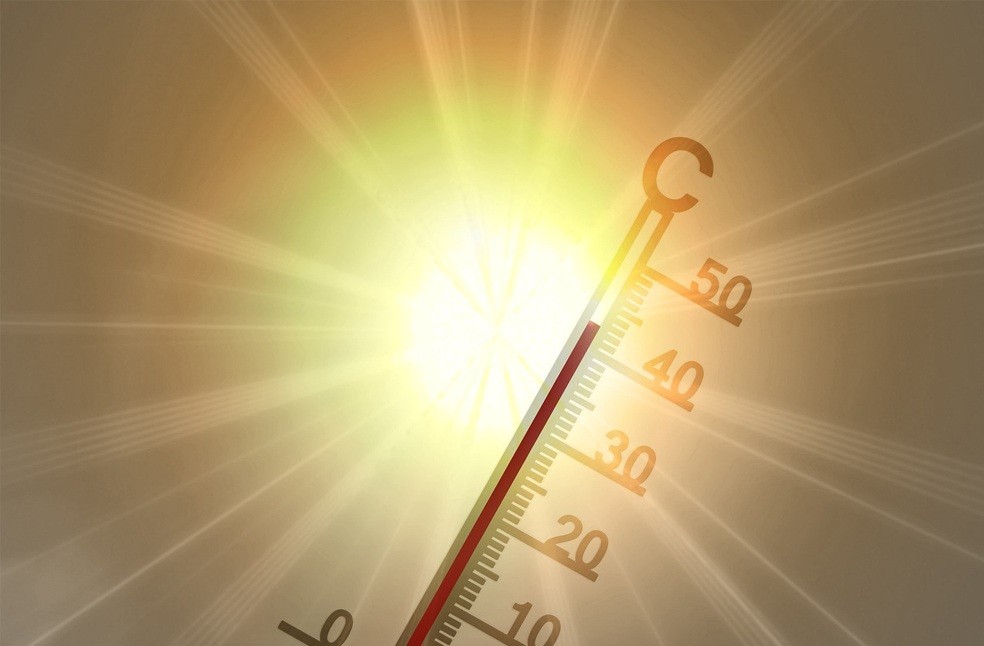
More than 20 localities across South Korea were placed under emergency heatwave alerts on Sunday under a warning category introduced this year. Authorities issue these alerts when perceived temperatures are expected to reach 38°C or actual temperatures hit 39°C.
The KMA advised residents to immediately stop all outdoor activities, warning that indoor spaces without air conditioning can also become dangerous. It urged people to move to designated cooling centres or shaded areas, stay hydrated and rest until conditions improve.
Prime Minister Han Seongsook instructed local governments to strengthen safety checks on vulnerable residents while ensuring stable electricity and water supplies during the extreme weather.
Forecasters said easterly winds are expected to push the intense heat further inland on August 3, with Seoul forecast to reach 37°C. Temperatures in South Jeolla and South Gyeongsang provinces could exceed 39°C, creating potentially life-threatening conditions.
Meteorologists are also monitoring Typhoon Dolphin, which is moving towards China’s southeastern coast south of the Korean Peninsula. The storm’s path could determine how long the heatwave lasts.
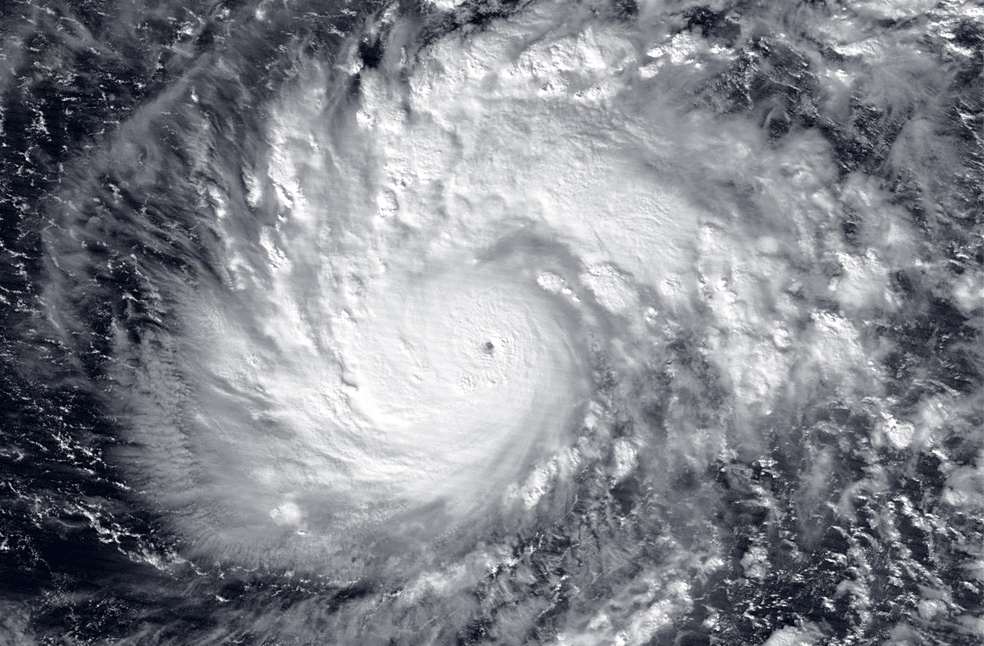
If it tracks towards eastern China, increased humidity could intensify the heat and prolong tropical nights. A route closer to the Korean Peninsula, however, could bring stronger winds, cloud cover and rainfall, temporarily easing temperatures.
According to KMA data, the average annual number of heatwave days in South Korea has more than doubled to 19 days over the past five years. A heatwave day is defined as one in which the maximum temperature reaches at least 33°C.
The extreme weather has also disrupted sporting events. The Korea Baseball Organization (KBO) cancelled a professional baseball game in Changwon after temperatures reached 39.5°C, marking the second consecutive cancellation in the city due to dangerous heat.
The league said the decision was made to protect the health and safety of players and spectators. Scientists continue to warn that climate change driven by human activity is making extreme weather events such as heatwaves more frequent and more intense.
They also note that the return of El Niño, the periodic warming of Pacific Ocean surface temperatures, is contributing to higher global temperatures and worsening heat conditions in many parts of the world.
MOST READ | Spider-Man: Brand New Day returns to critical acclaim
