


Close Menu

    Get the latest news around the globe

    Editor's Pick

    Louis Vuitton confirms UK data breach in cyberattack spree

    Chile declares state of emergency as forest fire claims lives

    Apple set to launch iPhone 17 at annual product event

    Facebook X (Twitter) Instagram
    Facebook X (Twitter) LinkedIn Instagram
    Britain HeraldBritain Herald
    Subscribe
    • Home
    • World Roundup
    • Business
    • Tech World
    • Entertainment & Events
    • Curious
    • More…
      • Spotlight
      • Knowledge
      • Lifestyle
      • Awareness
      • Women World
      • Sports
      • Travel
      • Notable
      • Contact Us
    Britain HeraldBritain Herald
    Home » NASA’s PACE satellite: creates a leap in climate research
    Science

    NASA’s PACE satellite: creates a leap in climate research

    The comprehensive data will not only inform climate change strategies but also provide invaluable insights into the health and dynamics of our planet's ecosystem, which is what the new mission aims to achieve.
    Editorial DeskBy Editorial DeskJanuary 31, 2024
    Facebook Twitter LinkedIn WhatsApp
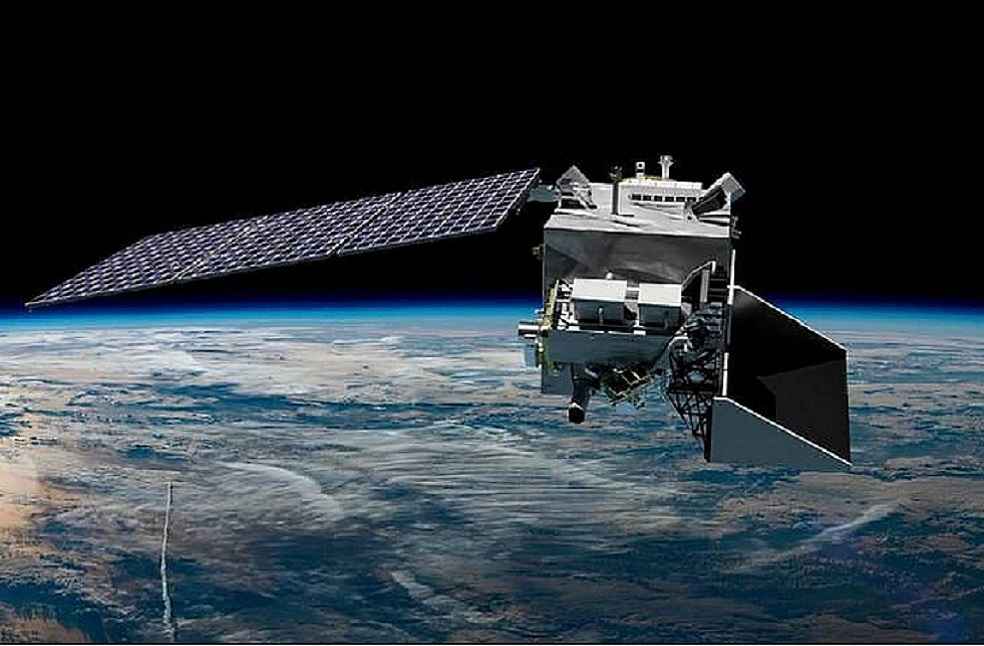
    NASA's PACE satellite
    Rep. Image

    Washington: NASA is poised to launch the PACE satellite (PACE – Plankton, Aerosol, Cloud, and Ocean Ecosystem), a pioneering project set to transform our understanding of the planet’s climate and ecosystems. Slated for launch on February 6 from the Cape Canaveral Space Force Station aboard a SpaceX Falcon 9 rocket, PACE represents a significant leap in environmental monitoring, akin to coloring with 200 crayons instead of just eight.

    PACE’s mission, a culmination of over a decade of planning with a budget of $964 million, is to provide unprecedented insights into the microscopic particles populating our atmosphere and waterways. This satellite is equipped with cutting-edge instruments, including an optical spectrometer designed by NASA and two polarimeters from the University of Maryland and a Dutch consortium, offering an unparalleled view of the Earth’s complex natural systems.
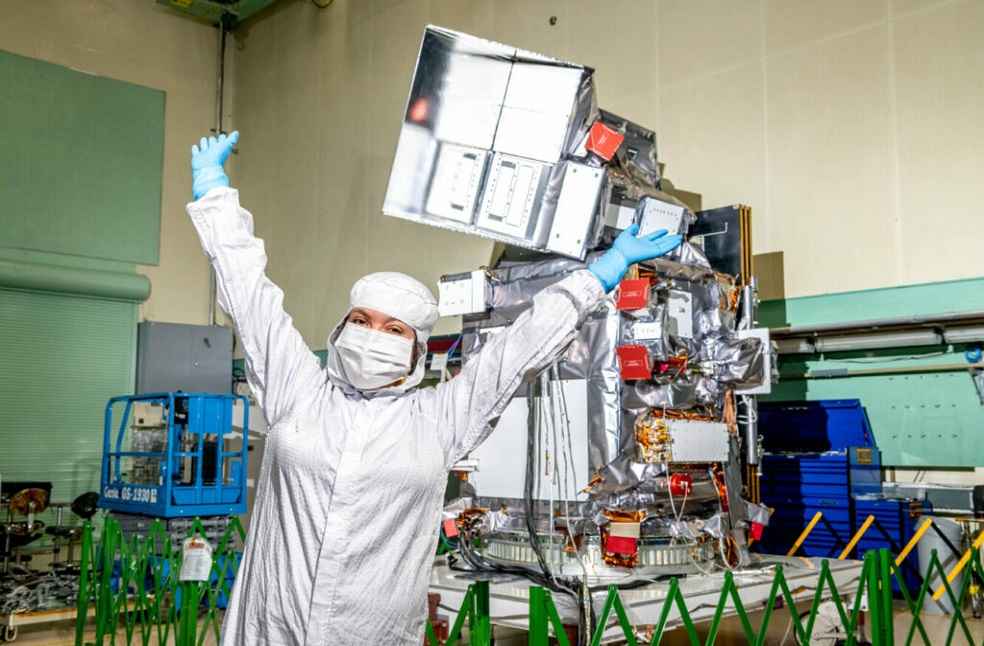
    NASA's PACE satellite
    Representational image | Courtesy | NASA

    The heart of PACE’s mission is to dissect the intricacies of phytoplankton dynamics in oceans, lakes, and rivers, and to understand how aerosols interact with the sun’s energy. By harnessing high-resolution imagery across a vast spectrum of light wavelengths, PACE will enable scientists to identify individual plankton species and various particle types, enhancing our grasp of their roles in carbon dioxide exchange and energy balance in the atmosphere and ocean.

    This endeavor is crucial in addressing pressing climate change issues, as emphasized by NASA’s Deputy Administrator Pam Melroy, who highlights the accelerating shifts in the global Earth system. The satellite’s data will shed light on the ocean’s carbon storage capabilities and its role in climate regulation. Additionally, PACE will enhance our understanding of aerosols’ influence on cloud life and precipitation intensity, factors vital for better climate predictions.

    Beyond climate studies, PACE’s data will be instrumental in marine ecosystem research. Scientists like Heidi Sosik from Woods Hole Oceanographic Institution anticipate that the mission will revolutionize the study of microscopic ocean life, with implications for fisheries management, species protection, and food safety.
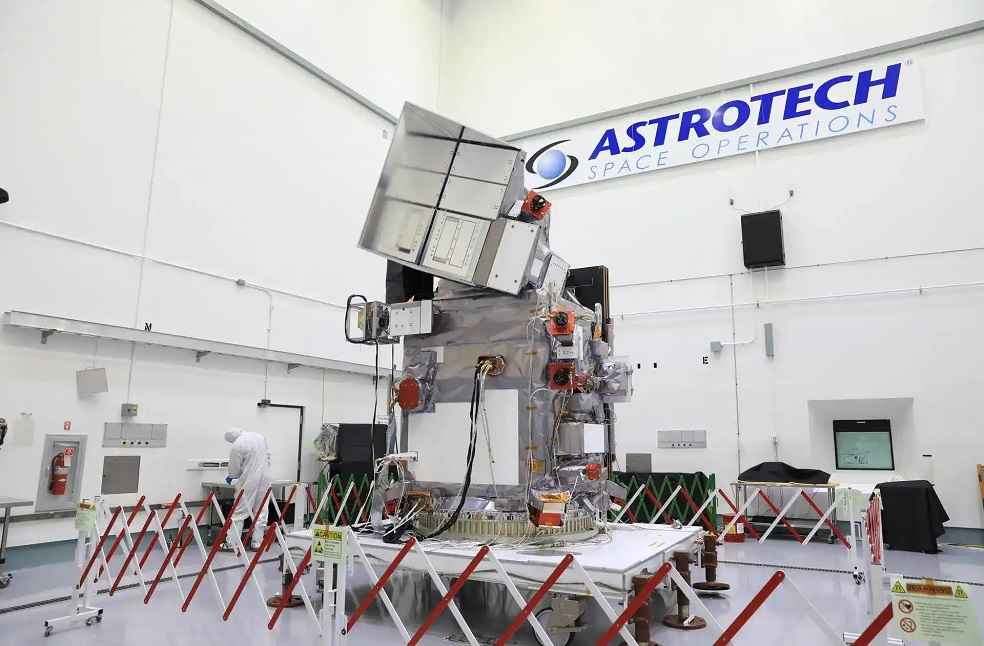
    NASA's PACE satellite
    Image courtesy @NASA

    Tom Bell, an assistant scientist at Woods Hole, notes that PACE’s ability to differentiate phytoplankton species will be pivotal in understanding their distinct roles in ecosystems and food chains. The satellite will also aid in assessing the impact of coastal runoff on harmful algae blooms, contributing to broader environmental protection efforts.

    In summary, NASA’s PACE mission stands as a monumental step in Earth science, promising to enhance our understanding of the complex interplay between the ocean, atmosphere, and climate. Its comprehensive data will not only inform climate change strategies but also offer invaluable insights into the health and dynamics of our planet’s ecosystems.

    SCIENCE | Discover DNA test for 18 early cancer detection

    STAR OF SECTOR 2025
    Euclid Space Satellite NASA News Updates NASA's PACE satellite PACE satellite
    Share. Facebook Twitter LinkedIn WhatsApp
    Editorial Desk
    Editorial Desk

    The article published above represents the viewpoint or opinion of the Chief Editor of Britain Herald. It does not reflect the general opinion of the Britain Herald management or its writers. If you have any inquiries or complaints about the published material, please contact us at BritainHerald@Gmail.Com

    Newly Updated

    Mercedes no longer fastest as McLaren continues F1 surge

    August 24, 2026

    Burnham arrives in Kyiv to reaffirm UK support for Ukraine

    August 24, 2026

    New Zealand proposes social media ban for children under 16

    August 24, 2026
    STAR OF SECTOR 2025

    Business

    Tesla recalls nearly 3 million EVs in China over door risks

    Business August 22, 2026

    Beijing: Tesla is among several automakers recalling more than 4 million vehicles in China over…

    Panama Canal to cut daily ship transits from September

    August 21, 2026

    India’s Swiggy targets higher Instamart margins with model shift

    August 20, 2026

    US delays new tariffs on Canadian goods after trade deal

    August 19, 2026
    Stay In Touch
    • Facebook
    • Twitter
    • LinkedIn
    • Instagram

    Curious

    Giant Python successfully treated with human cancer therapy

    August 21, 2026

    Forgotten history of dining tables and how we eat

    August 16, 2026

    Earth to witness billions receiving sunlight together

    July 8, 2026

    Ever wonder why lightning sounds different? Here’s why

    July 3, 2026

    Get the latest news around the globe

    Knowledge

    Why migration is transforming cities around the world

    Knowledge August 19, 2026

    Migration is transforming modern cities by changing their populations, economies, cultures and urban landscapes. People…

    Forgotten history of dining tables and how we eat

    August 16, 2026

    30 Days of Tai Chi: A new way to move and slow down

    August 15, 2026

    10,000-steps rule: Where did that number actually come from?

    August 2, 2026
    18-EA-387-TryEngineeringSummerInst_BannerAd_300x250_Robot
    About Us
    About Us

    Britain Herald is a global news brand that plays a significant role in educating and informing the masses with informative content, the latest updates, and current affairs across the World.

    Operated and Managed by WellMade Network, the portal is a sister concern of GCC Business News and Emirati Times. For inquiries about Media Partnerships, Investment and other opportunities in line with our Editorial Policy, please contact us at;

    Email Us: News@BritainHerald.com
    Whatsapp: +971 5060 12456

    We Have

    Mercedes no longer fastest as McLaren continues F1 surge

    August 24, 2026

    Burnham arrives in Kyiv to reaffirm UK support for Ukraine

    August 24, 2026

    New Zealand proposes social media ban for children under 16

    August 24, 2026

    Trump waves green flag as Freedom 250 Grand Prix begins

    August 24, 2026
    Facebook X (Twitter) LinkedIn Instagram
    • Home
    • Business
    • Tech World
    • Awareness
    • Contact Us
    Privacy & Cookies Policy | Terms & Conditions
    © 2002 BritainHerald.com, An Initiative by WellMade Network

    Type above and press Enter to search. Press Esc to cancel.