


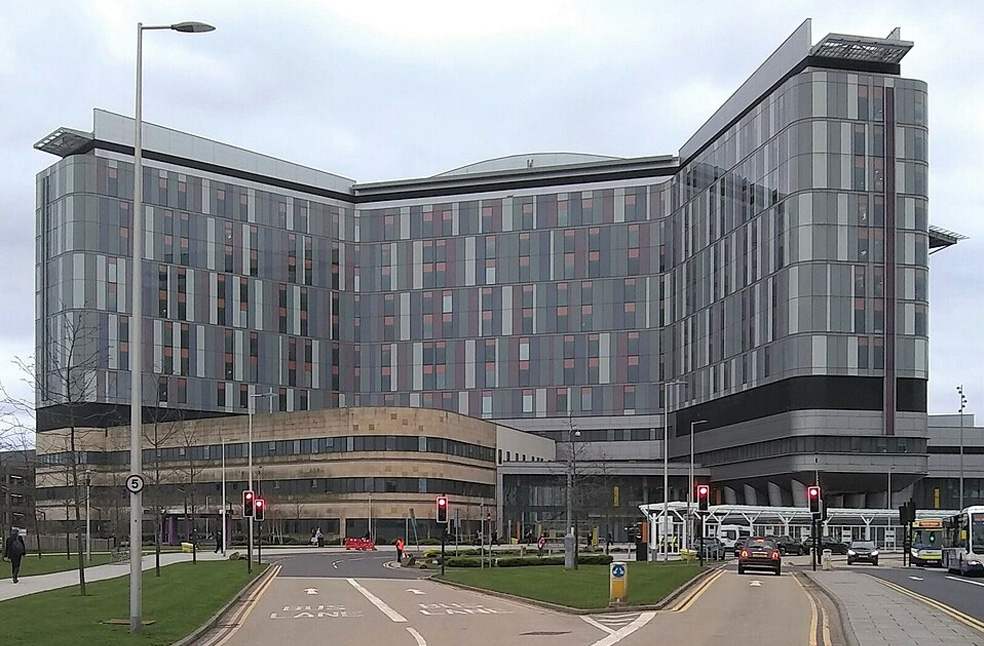
Glasgow: A patient who was being assessed for a suspected Ebola infection at a hospital in Scotland has tested negative, easing concerns over what could have been the country’s first confirmed case linked to the latest outbreak in Central Africa.
The individual was admitted to the Queen Elizabeth University Hospital (QEUH) in Glasgow during the early hours of June 30, prompting part of a ward in the hospital’s acute receiving unit to be temporarily closed while precautionary measures were implemented.
Health authorities noted that the standard infection prevention and control protocols were immediately activated, and the patient underwent precautionary testing to determine whether they had contracted the Ebola virus. Later that night, test results confirmed that the individual was not infected with Ebola.
We are aware that an individual in Scotland was tested for Ebola as a precautionary measure. The test result has now been received and is negative.
Read our full statement here: https://t.co/ulIPdSSYhg pic.twitter.com/dOePvgyjJW— Public Health Scotland (@P_H_S_Official) July 1, 2026
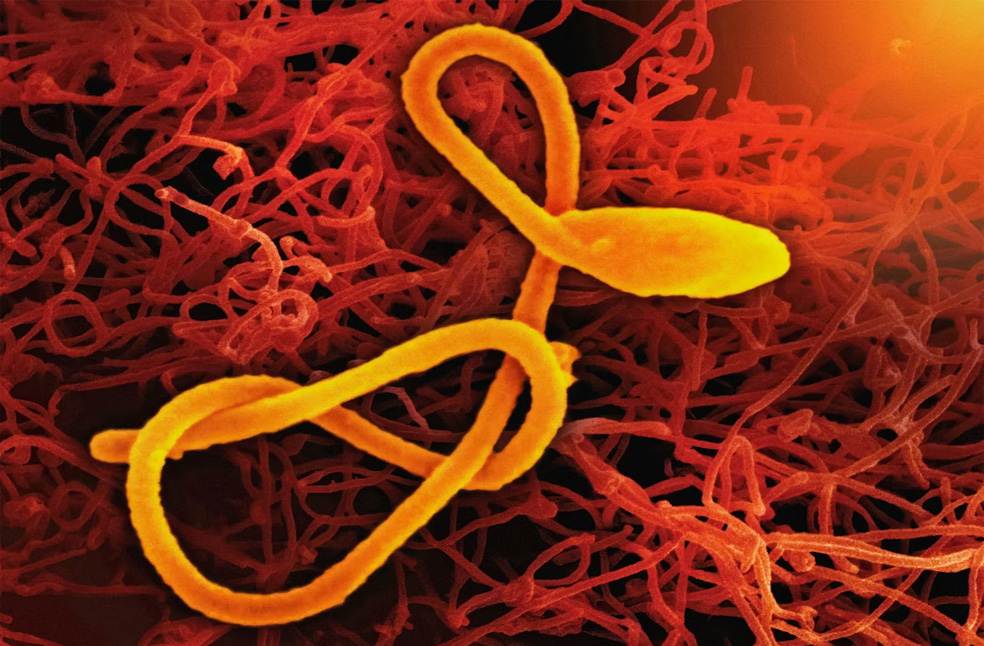
Public Health Scotland stressed that there are currently no confirmed Ebola cases in Scotland, adding that the risk to the general public remains low. The suspected case came during ongoing Ebola outbreaks in the Democratic Republic of the Congo (DRC) and neighbouring Uganda.
Nearly 700 confirmed cases of the Bundibugyo strain of the Ebola virus have been reported, with the vast majority occurring in the DRC. The outbreaks have resulted in 138 deaths, including two in Uganda, while one case has also been identified in France.
Had the Scottish case been confirmed, it would have marked the first Ebola case in the United Kingdom since the World Health Organization (WHO) declared the outbreak in the DRC a Public Health Emergency of International Concern.
Public Health Scotland stated that the robust protocols are already in place to assess and test travellers arriving in the UK from countries affected by Ebola. The agency is working closely with the UK Health Security Agency (UKHSA) to monitor potential routes through which travellers may enter the UK from outbreak areas.
Officials reiterated that the risk of Ebola being imported into the UK remains low and that the NHS has established procedures to safely identify and manage any suspected cases. The agency added that contact tracing and precautionary clinical assessments would be carried out whenever necessary.
It also confirmed that the UKHSA Returning Workers Scheme, designed to monitor the health of people travelling from the UK to Ebola-affected regions for work, has been activated, with organisations deploying staff to affected areas encouraged to register their employees under the programme.
MOST READ | Explosion rocks Monaco in suspected parcel bomb attack
