


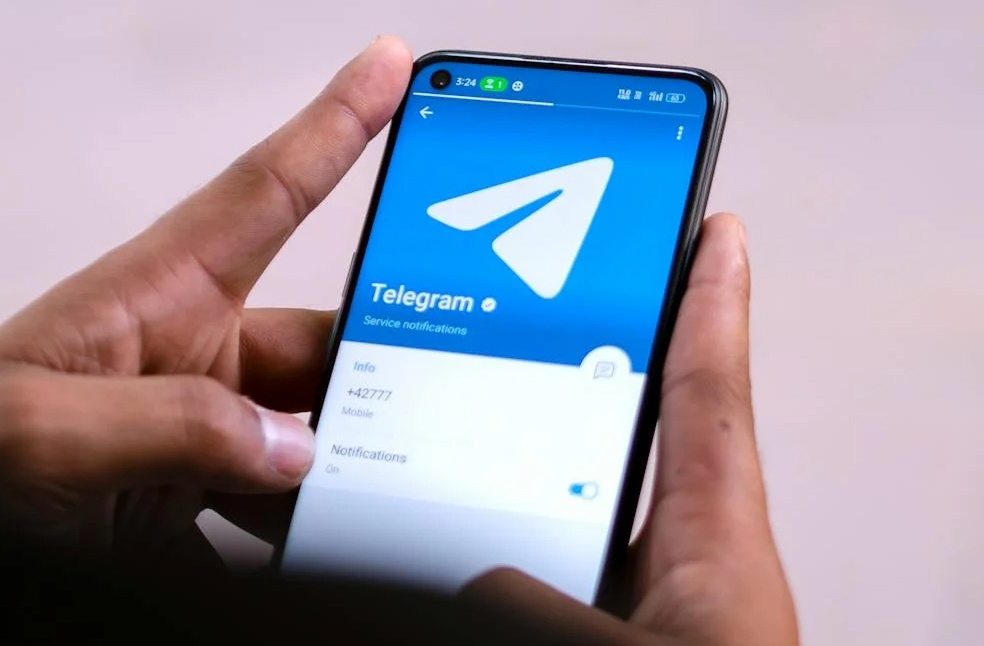
Moscow: Pavel Durov, the billionaire founder of Telegram, has claimed that Russia’s efforts to block Virtual Private Networks (VPNs) led to a major disruption in a domestic payment system, while highlighting growing public resistance to digital restrictions.
According to Durov, the issue caused widespread inconvenience, affecting everyday transactions across the country. In response to the outage, the Moscow Metro temporarily allowed passengers to pass through turnstiles without payment, while some venues, including a regional zoo, requested visitors to pay in cash due to system failures.
Russia has, in recent years, intensified control over digital communications, including repeated shutdowns of mobile internet, blocking of VPN services, and interference with messaging platforms. Diplomats have described these actions as part of a broader crackdown on digital freedom.
Durov characterised the situation as a form of ‘digital resistance,’ suggesting that millions of Russians are actively attempting to bypass the restrictions imposed on internet access and communication tools.
Meanwhile, Sberbank, the country’s largest bank, acknowledged that a technical issue had occurred but did not provide further details. Some local media reports linking the disruption to government actions were reportedly removed.

Russian authorities have defended the tightening of controls on VPNs and platforms such as WhatsApp and Telegram, citing national security concerns.
Officials argue that such measures are necessary amid ongoing threats, including attacks within Russia linked to Ukraine and alleged sabotage attempts involving Western intelligence agencies.
Telegram, which has over one billion users globally, has also faced scrutiny from Russian authorities. The platform has reportedly experienced slowdowns, and Durov has been linked to an investigation involving terrorism-related allegation, claims that the company has denied.
Russian officials have further alleged that Telegram has been infiltrated by Ukrainian and NATO-linked intelligence services, suggesting that such breaches have had serious consequences.
Telegram, however, has rejected these claims, instead accusing Moscow of attempting to push citizens toward using a state-backed messaging platform known as MAX, which has been promoted within educational institutions.
MOST READ | Pre-wedding weight-loss drugs gain popularity in India
