


London: The rapid rise of reformer pilates has prompted warnings from industry bodies, who say weak regulation is creating a ‘wild west’ environment marked by underqualified instructors and a growing number of injuries.
Pilates, originally developed by Joseph Pilates in the early 20th century, is not subject to formal legal regulation. As its popularity has surged, experts say many studios are offering reformer-based classes led by instructors with limited training, raising concerns about safety and quality standards.
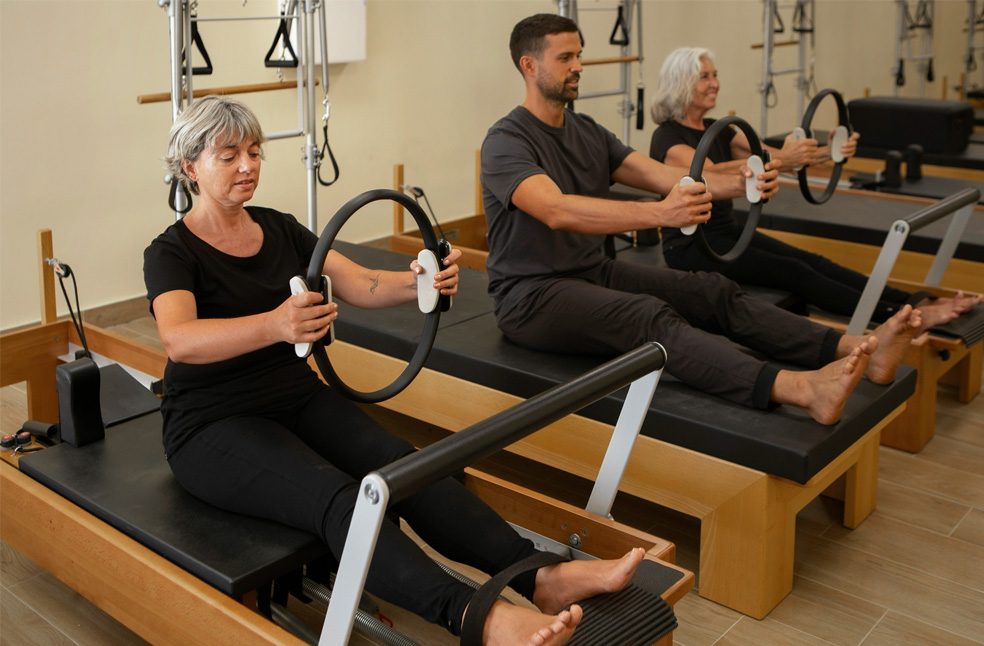
Reformer pilates involves a low-impact, full-body workout performed on a machine equipped with a sliding carriage, springs, straps, and a foot bar to provide resistance.
While advocates highlight its ability to strengthen, stretch, and stabilise muscles beyond traditional mat-based pilates, the rapid commercial expansion of the practice has led to inconsistencies in how it is delivered.
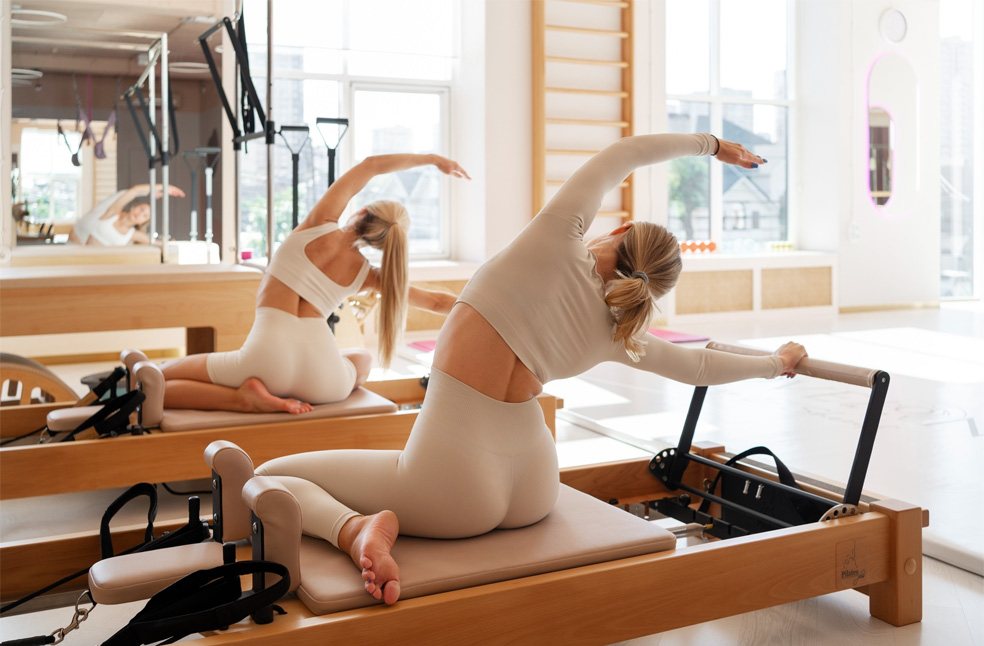
Classes, particularly in cities like London, can cost between £20 and £37 per session. Industry observers note that some businesses are capitalising on the trend by branding sessions as pilates without adhering to established methods, contributing to a divide between traditional practitioners and newer studios focused on accessibility and scale.
Professional organisations, including the Society for the Pilates Method and EMD UK, have raised concerns about safety risks linked to inadequate instructor training and poorly maintained equipment. They warn that inconsistent standards can lead to unsafe practices, particularly in large classes where a single instructor may oversee dozens of participants.
Safety issues have also gained visibility online, with videos of accidents involving reformer machines circulating widely on platforms like TikTok. Experts caution that the equipment, while effective, can pose risks if used incorrectly or without proper supervision.
Legal professionals have also highlighted the risks associated with faulty or poorly maintained equipment, noting that injuries linked to reformer machines can be severe. Concerns include insufficient training, lack of proper guidance, and inadequate maintenance standards in some studios.
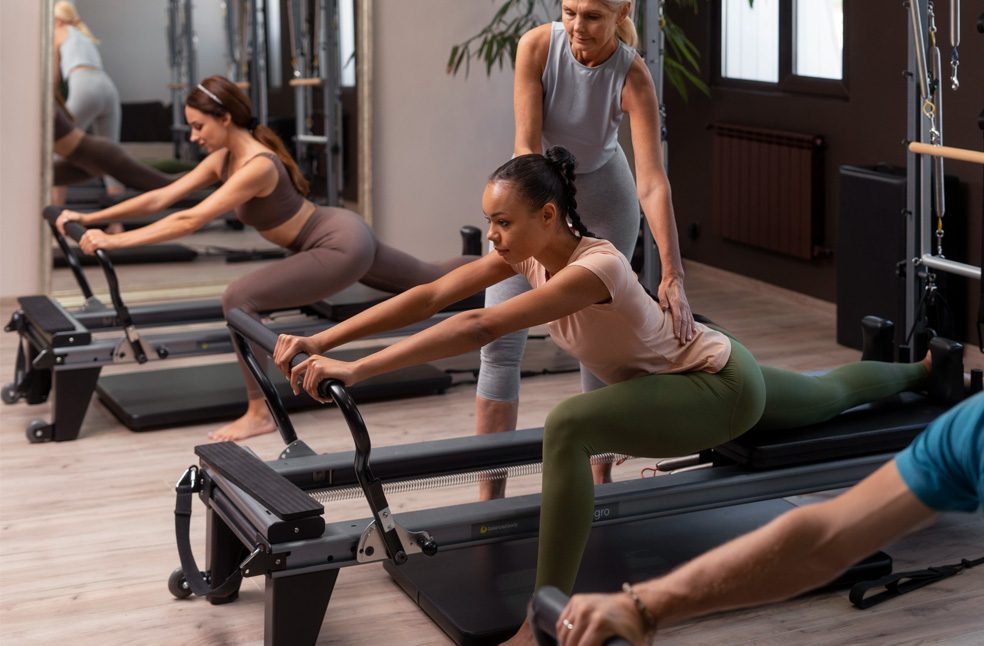
In the UK, individuals can identify themselves as pilates instructors without formal qualifications. While reputable studios typically require recognised certifications, often including Level 3 qualifications covering mat work and anatomy, industry leaders say this is not consistently enforced across the sector.
The Pilates Teacher Association has criticised the growing influence of commercial interests, arguing that the expansion of reformer pilates has been accompanied by shortcuts in training and a decline in qualification standards.
Many courses are now delivered largely online, and some operators prioritise rapid instructor training to meet demand for large group classes.
Experts are now calling for stronger quality assurance measures to ensure public safety and maintain professional standards, as reformer pilates continues to grow in popularity.
ALSO READ | Met office issues wind, snow alerts as Storm Dave nears
