


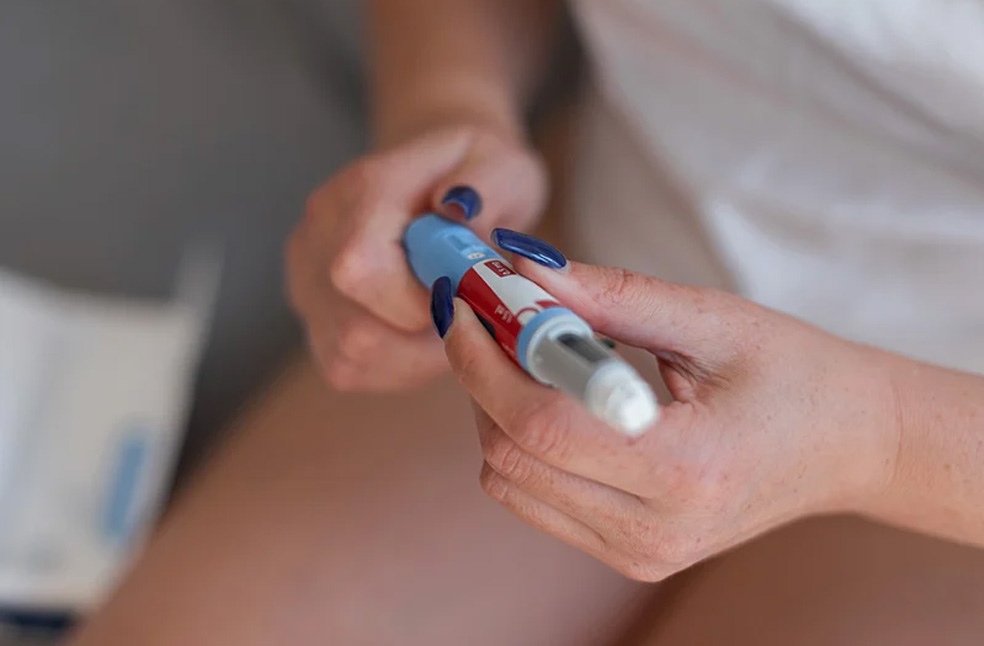
New Delhi: In India, soon-to-be brides and grooms are increasingly seeking weight-loss drugs as part of their pre-wedding preparations, with wellness clinics incorporating these medications into transformation packages alongside skin treatments and hairstyle makeovers.
Clinics such as Klarity Skin Clinic have promoted programs combining guided nutrition, Mounjaro injections, and structured workouts, targeting rapid weight reduction before weddings.
Medical professionals report a significant surge in inquiries about weight-loss medications, particularly Eli Lilly’s Mounjaro, the first GLP-1 drug in India approved for both diabetes and weight management.
Demand for Mounjaro has reportedly surpassed interest in Novo Nordisk’s Wegovy, with many patients requesting treatments within strict pre-wedding timelines. Doctors emphasize that these medications are prescribed only to medically eligible adults, not for purely cosmetic purposes.
Indian weddings are often elaborate and culturally significant events, with families placing high importance on physical appearance and financial status. This has created societal pressure on brides and, in some cases, grooms to meet certain expectations, driving interest in rapid weight-loss solutions.

Both Mounjaro and Wegovy were introduced in India last year, with the obesity treatment market projected to reach 80 billion rupees ($851.79 million) by 2030. Following Mounjaro’s rapid uptake, Indian drugmakers have launched cheaper versions of semaglutide, widening access.
The medications are approved for adults classified as obese, or for those overweight with a weight-related medical condition such as diabetes, hypertension, or sleep apnea. In India, the lowest Mounjaro injection pen dose costs 13,125 rupees ($139.50) per month, while the highest dose is 25,781 rupees.
Novo Nordisk recently cut prices of Ozempic and Wegovy, with the lowest Wegovy dose at 5,660 rupees ($60.90) per month and the highest at 16,400 rupees. Both companies caution that the drugs should be used only under supervision of qualified healthcare professionals and discourage self-medication or deviation from prescribed indications.
India could have over 440 million overweight or obese people by 2050, one of the highest totals globally, according to The Lancet. The surge in demand, combined with cheaper locally produced drugs, has raised concerns among regulators about misuse.
Authorities have intensified scrutiny of unauthorized sales and promotion, highlighting the risks of using these medications as quick-fix solutions. Health experts stress that weight-loss drugs are not a substitute for lifestyle changes, and should be part of a comprehensive plan that includes diet and exercise to ensure sustainable results.
ALSO READ | Australia to ban celebrity gambling ads, tighten rules
