



London: The rise in oil prices has reflected deepening uncertainty in global energy markets as the Iran war has entered its fifth week. Brent crude has climbed by more than 3 percent to exceed $115 per barrel, while US-traded oil has also gained, pushing towards $102 per barrel.
Asian stock markets have reacted negatively to the surge, with Japan’s Nikkei 225 and South Korea’s Kospi both recording notable declines. Investor sentiment has weakened as higher energy costs have raised fears of inflation and potential economic slowdown across major economies.
The escalation in conflict has intensified after Iran-backed Houthi forces launched attacks on Israel over the weekend, widening the scope of the war. Tehran has also threatened broader retaliatory strikes, increasing risks to regional infrastructure and global trade routes.
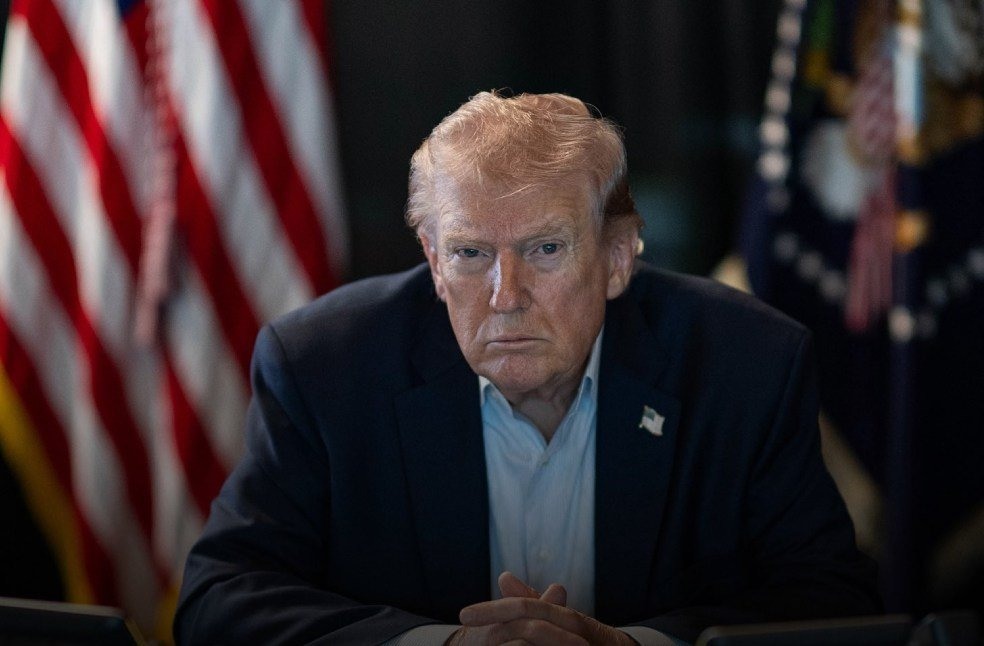
United States President Donald Trump has further influenced market volatility after stating that the US could seize Iran’s key oil export hub at Kharg Island. Trump has suggested that Iranian defences may not be sufficient, signalling a potential expansion of the conflict and raising additional concerns among investors.
Energy markets have remained highly volatile as disruptions to the Strait of Hormuz have limited the flow of oil. Around 20 percent of global oil and gas supplies typically pass through this route, and reduced traffic has significantly strained supply chains and pushed oil prices higher.
Analysts have warned that the ongoing conflict could trigger a prolonged energy crisis, with further increases in oil and fuel costs likely if tensions persist. Concerns have also extended beyond energy, with potential impacts on food prices and global economic stability as supply chains face continued disruption.
TRENDING | Aryna Sabalenka clinches Sunshine Double with Miami win
