


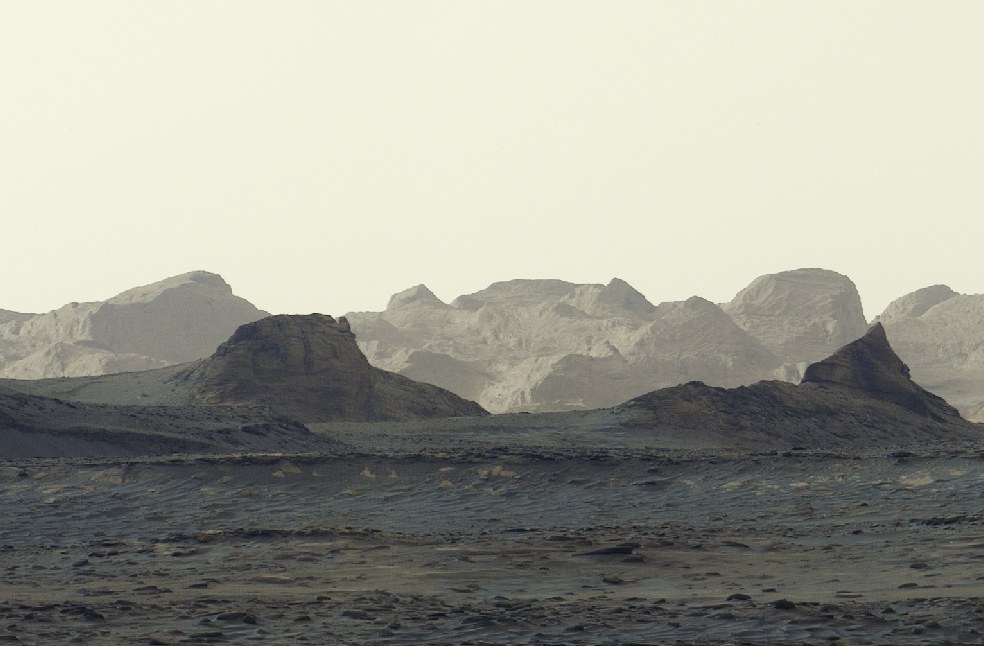
Washington: NASA’s Curiosity rover has captured striking dawn light across the Martian surface as the vehicle continues its exploration of ancient geological formations.
The image was taken by Curiosity’s Mastcam camera about an hour after sunrise. Sunlight can be seen reaching jagged rock formations in the distance. The rover has been exploring Mars since landing in Gale Crater near the planet’s equator in 2012.
Curiosity was climbing Mount Sharp since 2014. The mountain rises about 3 miles (5 km) above the crater floor. The rover gains more than 0.6 miles (1 km) in elevation during the gradual ascent. NASA stated that this is the greatest elevation climbed by a rover on Mars.
The distant crags shown in the image form a distinctive rock layer. Ashwin Vasavada, Planetary scientist of NASA’s Jet Propulsion Laboratory noted that the layer looks different from formations Curiosity crossed so far. Scientists believe the material may once have been wind-blown sediment or ash from nearby volcanic activity.
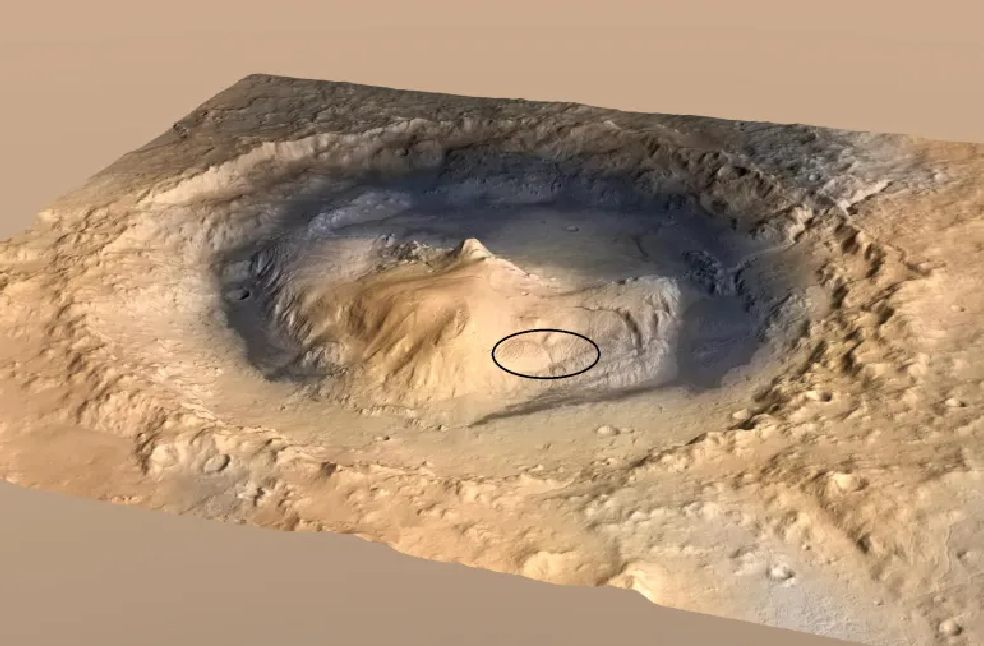
After the sediment hardened into rock, wind gradually carved the formation into ridges known as yardangs. The layer most likely formed about 3 billion years ago. It stretches about 10 miles (16 km) across the northwestern reaches of Mount Sharp.
Vasavada added that the yardang layer does not appear to be part of Mount Sharp’s continuous sequence of geological layers. Instead, the layer was added later above an unconformity. This marks a gap in geological time when older material was eroded before new sediment was deposited.
NASA expects Curiosity to reach the yardang layer in 2027 or 2028. The rover will then use its scientific instruments to examine the geology and composition of the formation.
Curiosity was studying the geology and climate of Mars. The mission also examines whether ancient conditions could have supported microbial life. Research at Mount Sharp provided evidence of a wetter and warmer Mars in the distant past. Lakes and streams once covered parts of the region.
The new image also captures an unusual Martian sunrise. Vasavada compared the landscape to Monument Valley in Arizona while noting the differences in the sky. Mars has an orange sky with blue shades around sunrise, creating a scene that resembles Earth while remaining distinctly Martian.
POPULAR | UK construction activity reports slowest fall since January
