


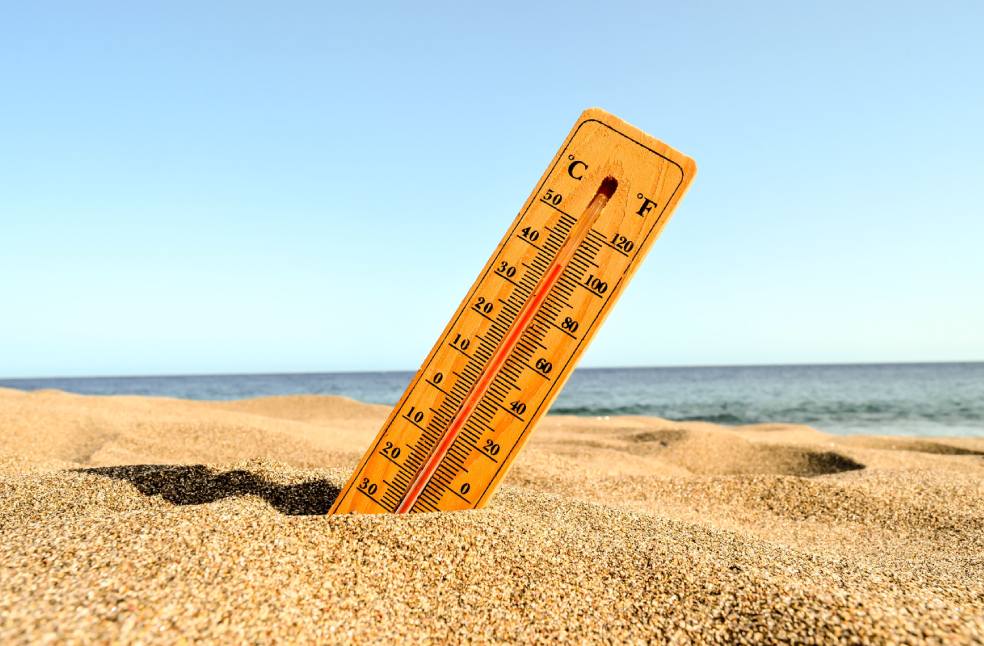
Geneva: Europe’s ongoing heatwave has been linked to more than 1,300 excess deaths, according to the World Health Organization (WHO), as record-breaking temperatures continue to affect several countries across the continent.
The extreme weather has raised serious health concerns, with authorities urging people to avoid prolonged exposure to the sun and follow safety measures. Millions of residents remain under heat alerts as unusually high temperatures continue to spread across Europe.
WHO Director-General Tedros Adhanom Ghebreyesus said more than 1,300 excess deaths had been recorded since 21 June and were associated with the extreme heat. Describing heat stress as a ‘silent killer’, Ghebreyesus warned that homes, schools and workplaces across Europe were never designed to cope with prolonged periods of such high temperatures.
Europe is the fastest-warming continent on Earth, heating at twice the global average. Right now 150 million people are living under extreme heat, hundreds have died, schools are shut, grids are buckling.
Driven by climate change and global warming, the phenomenon of the…
— Tedros Adhanom Ghebreyesus (@DrTedros) June 28, 2026
France has experienced some of the most severe impacts from the heatwave. The country’s health ministry reported around 1,000 more deaths than expected since June 24, with many of the additional fatalities involving people aged 65 and older. Officials also recorded a sharp increase in deaths occurring at home, highlighting the pressure that extreme weather is placing on healthcare services and vulnerable communities.
Record temperatures continued to fall across central Europe on June 28. Germany provisionally recorded a new national high of 41.7 degrees Celsius in Coschen, marking the country’s hottest day on record. Poland also registered its highest-ever temperature of 40.5 degrees Celsius, while the Czech Republic reached *41.1 degrees Celsius in Doksany.
Climate experts have repeatedly warned that rising global temperatures are increasing the frequency and intensity of heatwaves around the world. Scientists say climate change is making extreme weather events more severe and longer lasting. With dangerous temperatures expected to persist in parts of Europe, authorities continue to monitor the situation closely while encouraging the public to remain alert and follow official safety advice.
MOST READ | Flights delayed across Heathrow and Gatwick after storms
