


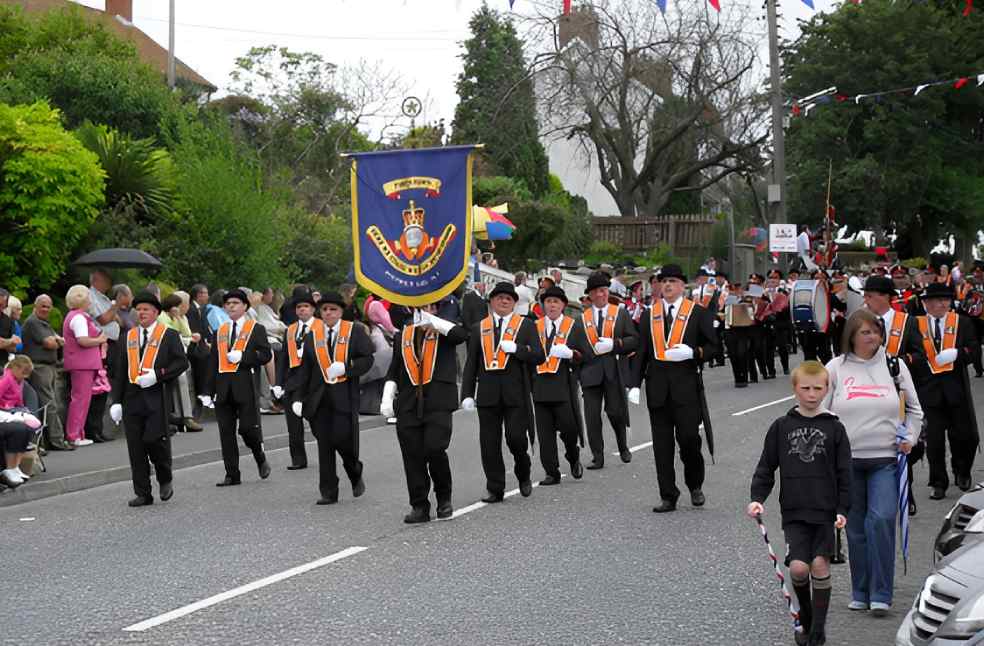
Ireland: A controversial Orange Order parade is set to proceed along Garvaghy Road in a nationalist area of Northern Ireland after the courts dismissed a series of legal challenges.
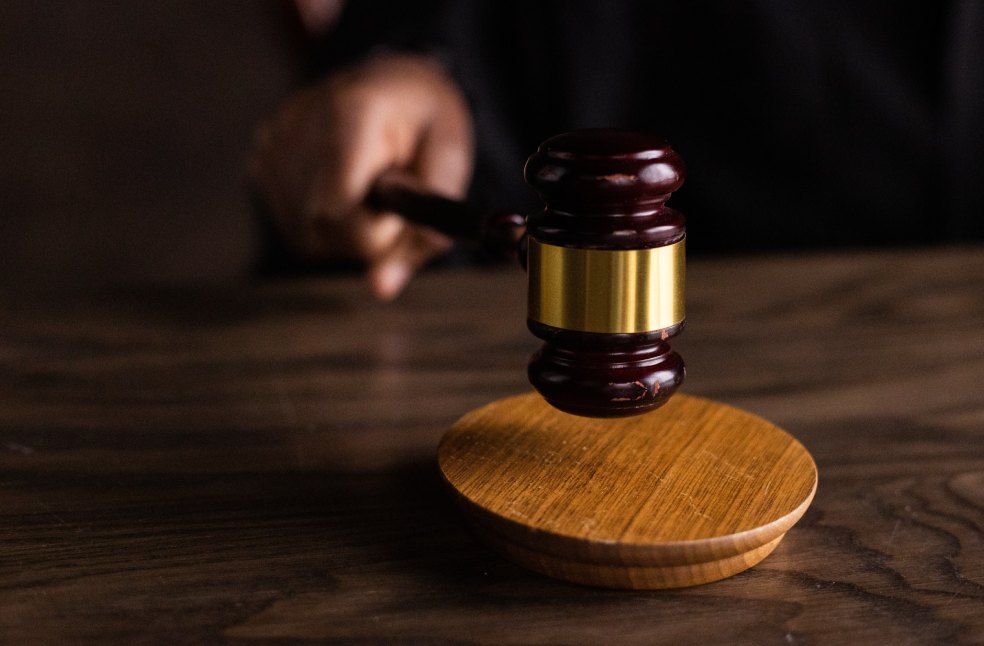
The High Court ruled in the early hours that the Parades Commission’s decision to allow the march to take place must be respected. The decision came only hours before the scheduled parade, following several legal challenges in Belfast courts.
The Drumcree parade has been at the centre of a long-running dispute dating back to the 1990s and linked to some of the most serious unrest in Northern Ireland during that period. The Parades Commission had permitted the march to proceed with restrictions, including an earlier start time and a reduced number of participants.
Under the commission’s determination, the parade must depart Drumcree Parish Church no later than 08:00 BST, with participation limited to 35 people instead of the 60 requested by the Orange Order. No bands or supporters are permitted to take part.
The latest court proceedings followed an initial challenge by the Garvaghy Road Residents’ Coalition, which resulted in an injunction temporarily preventing the parade. That decision was later overturned by the Court of Appeal, while a subsequent challenge by the residents’ coalition was dismissed by the High Court.
Justice Michael Humphreys, who delivered the final ruling, stated that the court could not substitute its own view for that of the Parades Commission. Northern Ireland’s most senior judge, Lady Chief Justice Siobhan Keegan, also described the circumstances surrounding the case as unprecedented.
The dispute has its roots in the mid-1990s, when attempts by the Orange Order to march along Garvaghy Road led to heightened tensions, protests, roadblocks and violence. The Parades Commission was established in 1998 to regulate parades and help reduce tensions surrounding contentious marches.
Following the latest ruling, DUP MP Carla Lockhart remarked that the decision allowing the parade to proceed represented a significant moment for the rule of law, while loyalist activist Jamie Bryson said participants would march peacefully and lawfully.
Sinn Féin MP John Finucane, however, stated that the residents along Garvaghy Road were feeling angry and scared following the court decision. Large crowds gathered on the road overnight, with protesters blocking sections of the route, although the gathering remained largely peaceful.
Concerns have also been raised about the timing of the parade because Sunday Mass is scheduled at St John the Baptist Church on Garvaghy Road at 08:30. Fr Peter Clarke pointed that he was concerned that the march could clash with parishioners arriving at and leaving the church.
The Parades Commission commented that it believed the timings would allow the church service to proceed normally. Archbishop Eamon Martin called for prayers and support for a peaceful resolution, while urging the use of lawful and democratic processes to address the dispute.
The Police Service of Northern Ireland said it had no information at the time of its submissions indicating that the parade would result in disorder or violence. It has nevertheless activated mutual aid arrangements for the policing operation, with around 200 officers understood to be travelling from Scotland to support the operation in Portadown.
MOST READ | Argentina poverty rate rises to 32.3% in first half of 2026
