



London: Oil prices have remained stable as rising tensions between the US and Iran have increased concerns about future crude supplies and possible disruptions to global energy markets.
The latest movement has followed renewed concerns about disruption to global oil supplies. The US warns that a naval blockade of Iran could continue indefinitely and indicates that economic pressure on Tehran could increase as ceasefire negotiations remain stalled.
Brent futures rose 1 cent, or 0.1 percent, to $87.08 a barrel, while US West Texas Intermediate (WTI) crude futures gained 6 cents to $81.31 a barrel as oil prices remained supported by supply concerns. Both benchmarks remained on track for weekly gains of about 4 percent despite falling more than 2 percent in the previous session.
Iran has also been restricting traffic through the Strait of Hormuz. The strategic waterway carried about 20 percent of the world’s oil before the conflict. Any prolonged disruption could put additional pressure on global fuel supplies and prices.
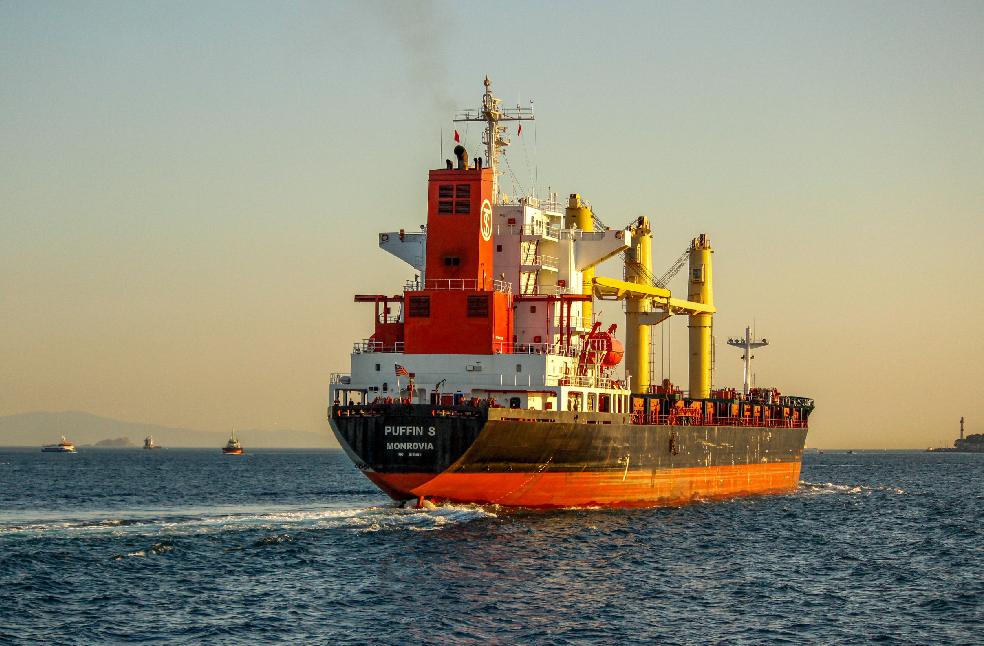
The supply concerns provided support to crude prices after Brent recorded a 6-session rally and WTI advanced for 5 consecutive sessions before both benchmarks declined in the previous trading session.
However, expectations of tighter supply have been balanced by weaker demand projections. The Organisation of the Petroleum Exporting Countries (OPEC) and the International Energy Agency (IEA) lowered their forecasts for global oil demand growth for 2026.
The US inventory data also weighed on the market, with crude stocks recording their largest weekly increase in more than 3.5 years. The sharp build raises concerns about demand and provided a counterweight to the geopolitical risks affecting supply.
The oil market is facing competing pressures as a prolonged conflict and restricted movement through the Strait of Hormuz could tighten global crude supplies. At the same time, weaker demand forecasts and higher US crude inventories could limit further price increases.
POPULAR | ICE proposes to deploy electric shock gloves for agents
