


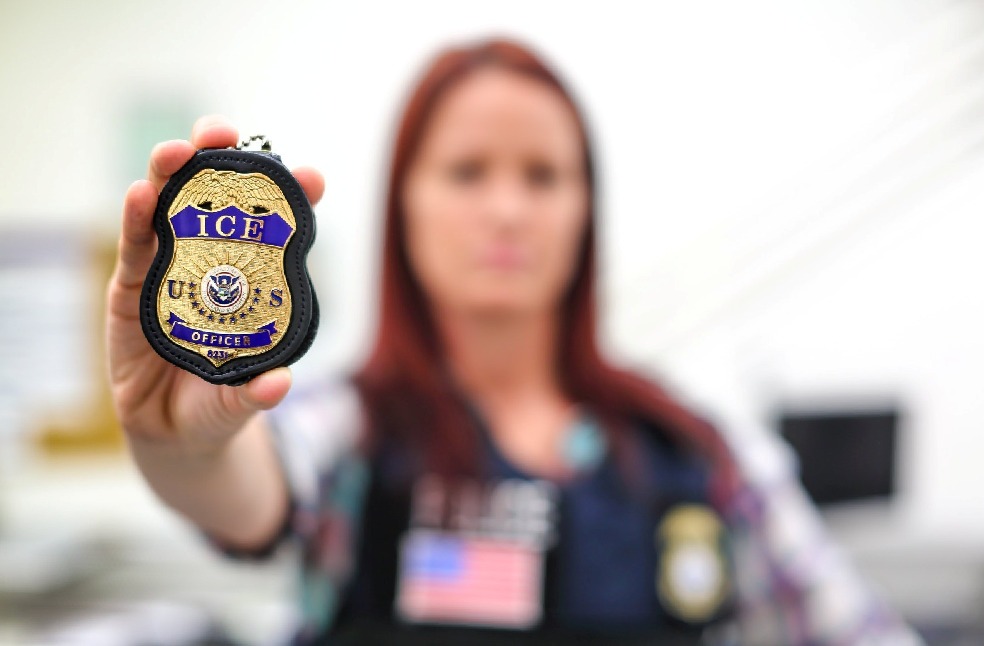
Washington: US Immigration and Customs Enforcement (ICE) plans to spend up to $20 million (£14.8 million) on gloves capable of delivering electric shocks during law enforcement operations.
The proposed purchase involves the Generated Low Output Voltage Emitter (GLOVE). The device can deliver up to 380 volts of electricity, roughly 3 times the charge of a standard US power outlet. The ICE’s gloves are designed to deliver the electrical pulses through direct contact with a person’s skin.
The Department of Homeland Security (DHS) has outlined the planned purchase in a procurement note. A no-bid contract could be published as early as August 14, potentially making the deal the largest purchase of GLOVE devices from Compliant Technologies to date.
The gloves are activated using a button and can deliver up to 30 electrical pulses per second. Built-in microprocessors also record when the device has been activated. Compliant Technologies says the gloves do not cause injury and are already used by several law enforcement agencies.
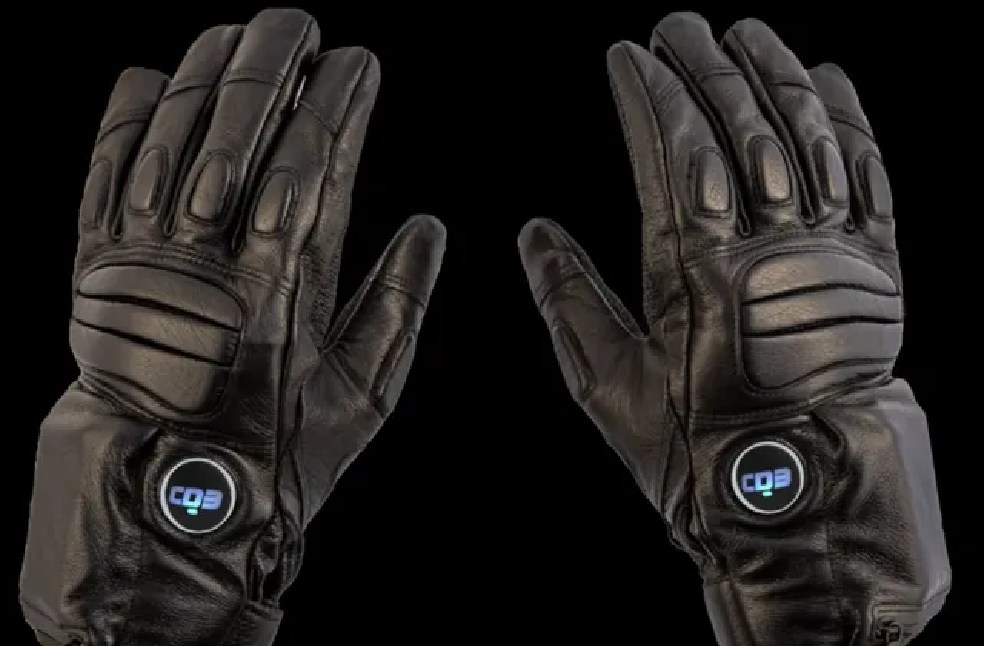
Unlike the gloves, Tasers use barbs that enter the skin and can deliver electric shocks of up to 50,000 volts. GLOVE devices do not complete an electrical circuit inside the body. The electrical shock can be delivered when the glove makes contact with skin.
The proposed purchase has drawn criticism from civil rights groups including the American Civil Liberties Union (ACLU). The ACLU has raised concerns about the use of force by ICE during enforcement operations. A company user manual advises against using the gloves on elderly people, small children, pregnant women and severely disabled individuals.
Under the DHS plan, GLOVE devices would be available to officers and agents working for Homeland Security Investigations (HSI) and Enforcement Removal Operations (ERO). HSI focuses on transnational criminal organisations while ERO handles the arrest, detention and deportation of people who violate US immigration laws.
ICE has faced scrutiny following fatal shootings involving federal immigration agents. The planned equipment purchase comes as the agency remains under pressure to meet President Donald Trump’s deportation agenda and its daily arrest targets. The debate over the gloves has therefore added another layer to concerns surrounding ICE enforcement methods and accountability.
YOU MAY LIKE | UK scientists make chocolate bar using Reading-grown cocoa
