


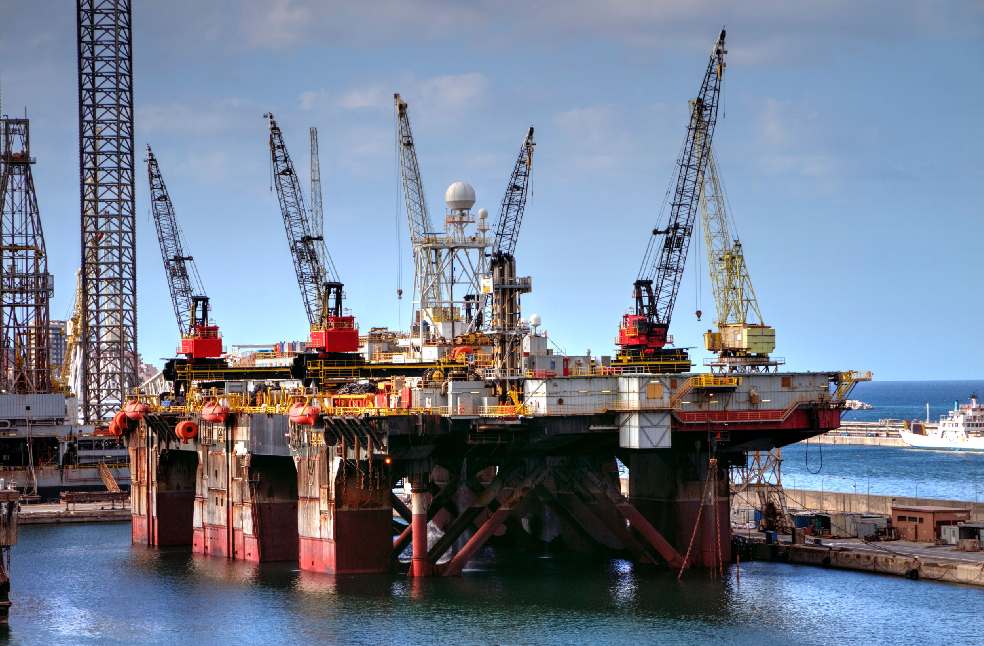
Singapore: Oil prices have fallen sharply as hopes of an Iran deal improved the global outlook, while the Japanese yen has surged after coordinated intervention by the United States and Japan.
South Korea’s KOSPI index fell 3.6 percent after a turbulent July that saw a steep 22 percent drop. The uneven performance reflected uncertainty despite improving geopolitical sentiment.
Currency markets reacted swiftly to the developments, reflecting heightened volatility and investor sensitivity. The Japanese yen strengthened more than 1 percent to 155.39 against the US dollar in a sudden move that alerted traders. Authorities later confirmed coordinated action to stabilise the currency.
Equity markets showed mixed movement across major regions, reflecting investor caution. S&P 500 futures rose 0.4 percent and Nasdaq futures gained 0.6 percent. In contrast, Japan’s Nikkei index declined 1 percent.
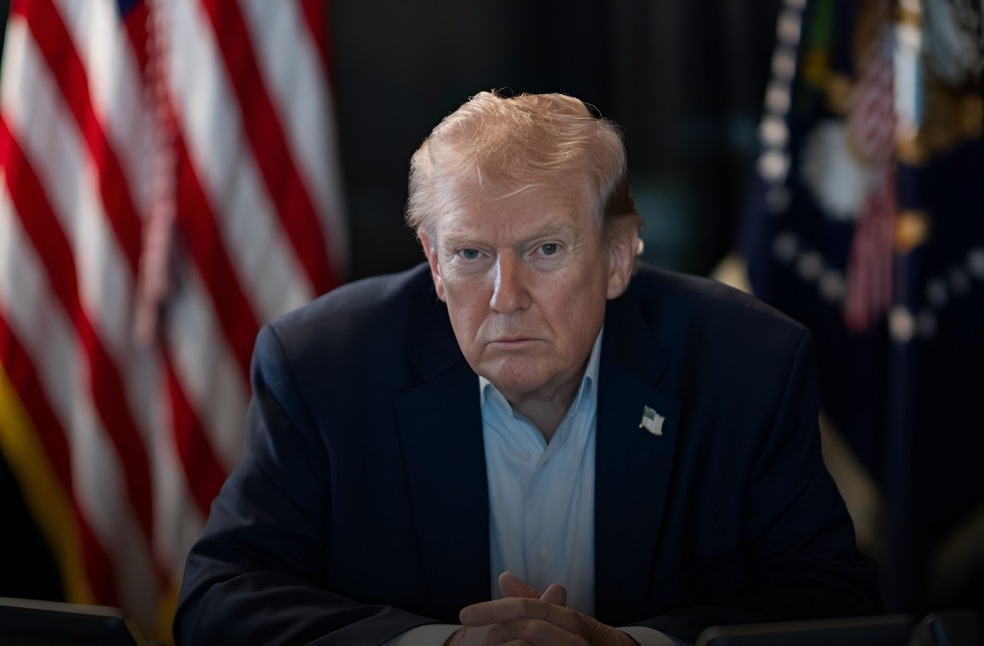
Brent crude futures dropped more than 6 percent to USD 82.41 ($87) after US President Donald Trump signalled that talks with Iran would take place on August 3, 2026. Earlier plans for a potential attack on Iran were halted as negotiations aimed to reopen the Strait of Hormuz and address concerns over Tehran’s nuclear programme.
Japan’s finance ministry stated that the United States and Japan carried out joint yen-buying intervention and signalled readiness for further measures if required. The move marked a rare bilateral effort to halt the yen’s slide, which had reached levels not seen in 40 years.
Ahead of the announcement, Trump indicated that the United States supported Japan’s efforts to stabilise the yen. The statement linked the action to broader economic stability and cooperation between the two countries.
Market conditions remain sensitive as developments unfold. Investors remain focused on the outcome of Iran negotiations and further policy steps that may shape global financial markets. Oil prices continue to react to geopolitical signals, while currency movements highlight ongoing intervention risks.
MOST READ | Trump halts Iran strike as negotiations with Iran progress
