


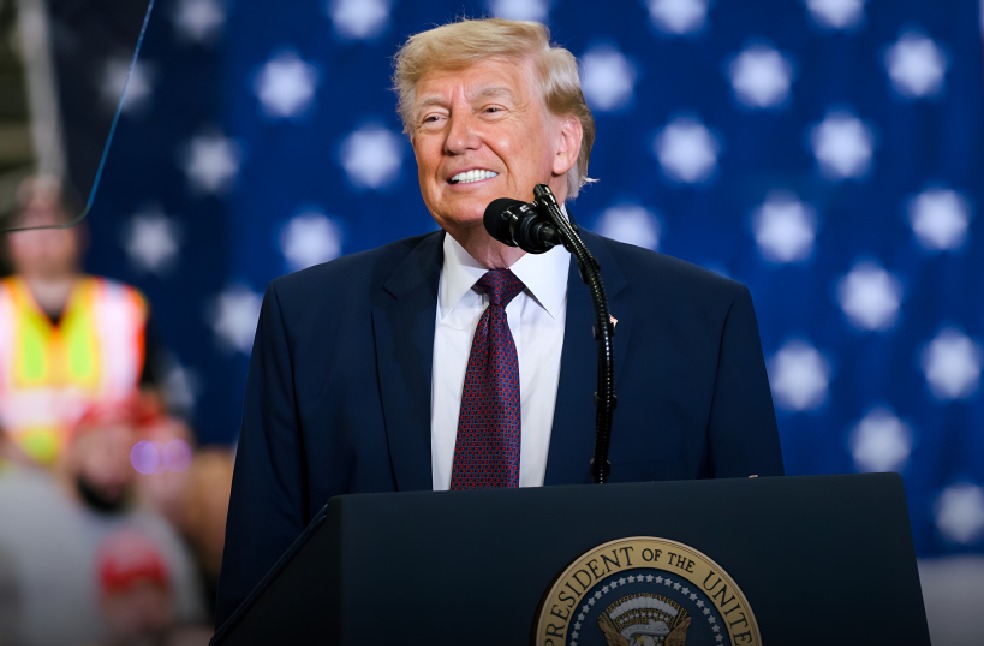
Washington: The United States President Donald Trump has cancelled the Iran strike, halting a planned attack after progress in diplomatic talks between the US and Iran.
Trump indicated that the decision followed communication from Iran and several Middle East countries urging restraint. The President noted that the pause in military action depended on the agreement being concluded within a short timeframe. The development comes after reports suggested that Washington and Israel had been preparing coordinated strikes targeting Iran’s energy infrastructure.
Trump stated that the emerging agreement could lead to the immediate and complete reopening of the Strait of Hormuz. The statement also links the potential deal to ending Iran’s nuclear threat, framing the move as a step towards broader regional stability.
A report by US-based outlet Axios indicated that Saudi Crown Prince Mohammed bin Salman contacted Trump, urging a halt to the planned strikes. The report cites a source familiar with the matter and pointed to growing regional concern over escalation. The call reflects wider diplomatic efforts to steer the situation back towards negotiations.
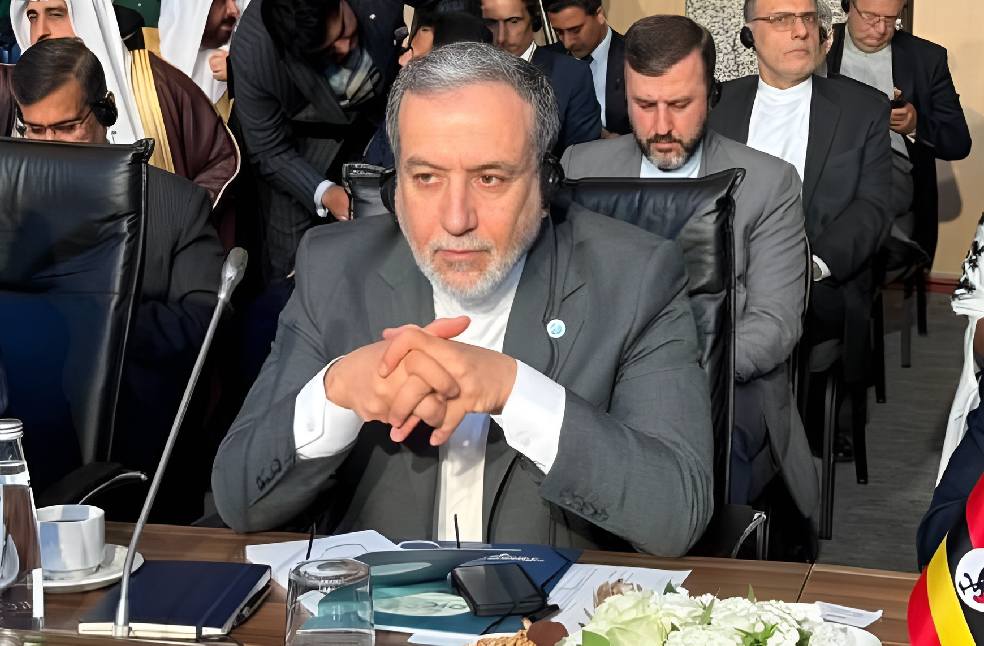
Iran did not issue an immediate response to the announcement. Earlier, Foreign Minister Abbas Araghchi warned that any attack by the United States or Israel would trigger a proportionate response. The statement underscores the heightened tensions that continued to define the situation.
Trump remarked that the United States would respond strongly to Iran, raising concerns over a possible military confrontation. The shift in position therefore marks a notable change in approach within a short period.
The United States Department of State issued security alerts for Americans across 10 countries in the region. The advisory urged increased caution and recommended that individuals consider leaving due to escalating tensions.
The situation remains fluid, with diplomatic signals emerging alongside continued warnings from multiple sides. While the cancellation of the Iran strike reduced the immediate risk of conflict, uncertainty persisted over whether negotiations will lead to a lasting agreement.
ALSO READ | Renewable energy growth lowers coal reliance across India
