


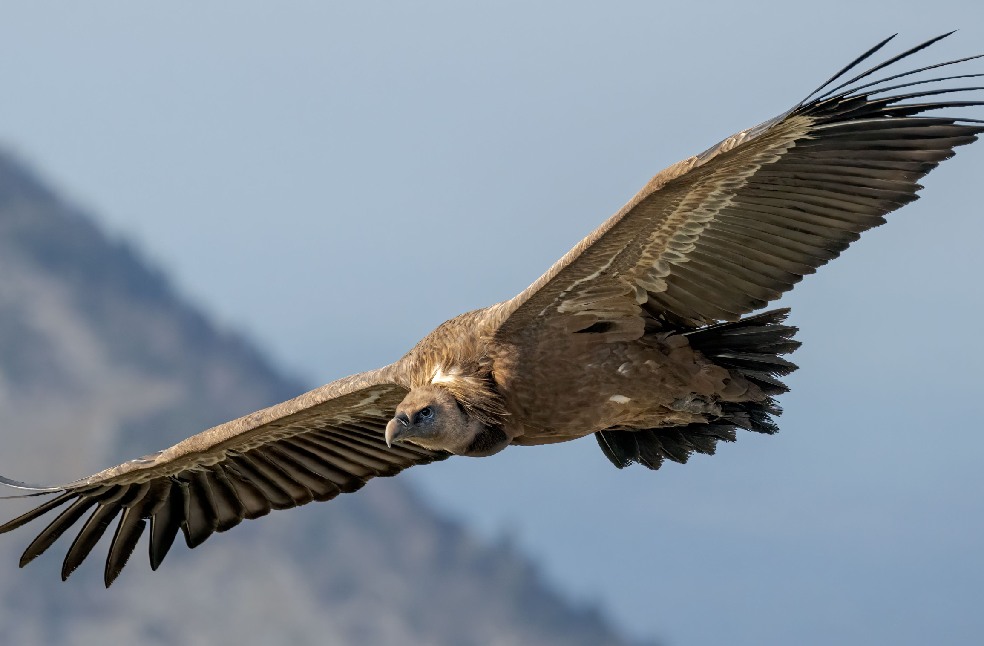
Nigeria: The vulture populations across Africa have suffered a dramatic decline, but conservation efforts in parts of Nigeria are offering hope for species facing growing threats from hunting, poisoning and habitat loss.
Awka-Etiti in south-eastern Nigeria has become an important example of how local traditions can help protect vultures. The community contains a sacred forest surrounding a shrine dedicated to the deity Nguma. The vultures continue to have a role in traditional practices observed by some residents.
The birds are vital to healthy ecosystems because vultures consume dead animals within hours. Their powerful stomach acids allow them to safely eat infected carcasses and help limit the spread of diseases such as anthrax and rabies.
Across Africa, however, the birds are facing mounting pressure. Rapid urban growth has destroyed many tall trees used by vultures for nesting. Poisoning remains another major threat and is estimated to account for 60 percent of vulture deaths in Africa.
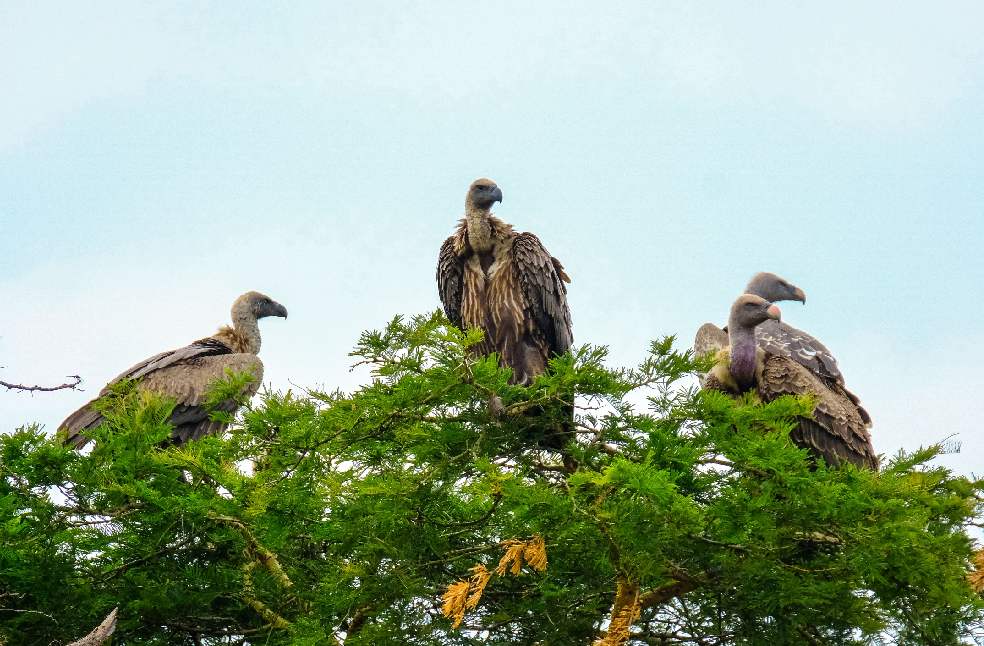
Experts have also identified the use of vultures and their body parts in traditional medicine and Vodun practices as significant drivers of population decline, particularly in West and southern Africa. In January 2020, more than 2,000 hooded vultures were found dead in Guinea-Bissau. Many had their heads removed, which researchers linked to belief-based practices rather than natural causes.
The species are particularly vulnerable because vultures reproduce slowly. Adult birds generally reach sexual maturity between 5 and 7 years and produce only 1 chick every year or 2. Many young birds also fail to survive their first year, making population recovery particularly difficult for the species.
BirdLife International has classified 7 African vulture species as globally Endangered or Critically Endangered. The BirdLife report has found that African vulture populations have fallen by between 80 percent and 97 percent over 50 years.
Researchers from across the region are expected to meet in Abuja later this year to review the West African Vulture Conservation Action Plan, drafted in 2022. Conservationists are also searching for communities where vultures remain protected from hunting, fear and exploitation.
POPULAR | Godrej consumer shares slide after abrupt leadership change
