


London: Researchers are calling for a review of NHS breast cancer risk assessment guidelines after a new study found that the current criteria may fail to identify the vast majority of women under 50 who are at an increased risk of developing the disease.
Published in the British Journal of Cancer, the study found that the existing recommendations from the National Institute for Health and Care Excellence (NICE) focus primarily on inherited genetic risk and family history, overlooking other important contributors such as lifestyle, reproductive history and hormonal factors.
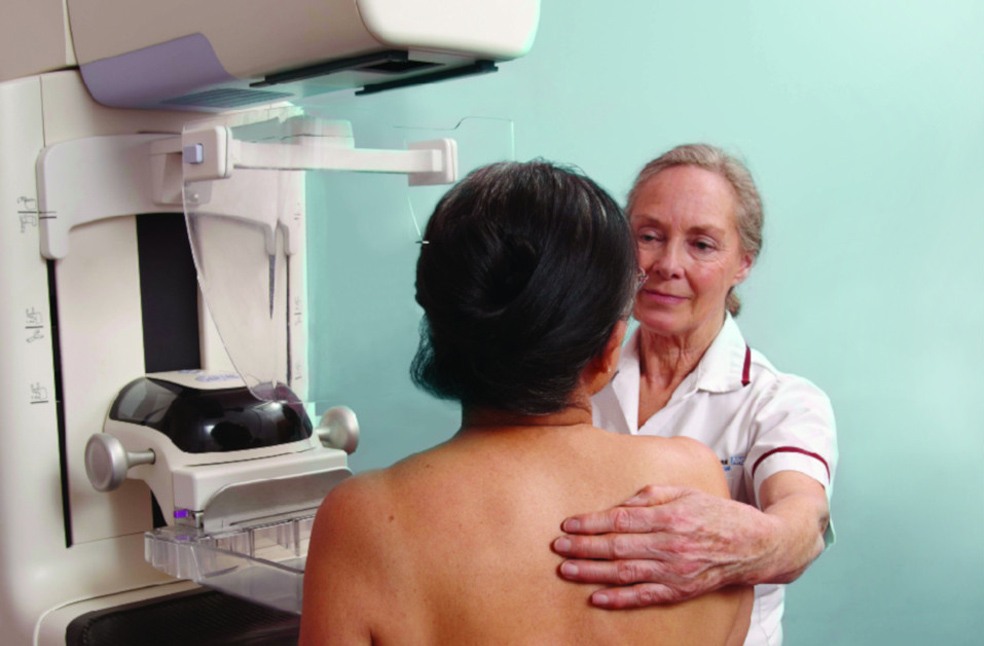
Under the current NHS screening programme, routine mammograms are generally offered to older women, while women under 50 are only referred for breast screening if they have a strong family history of the disease.
NICE also recommends that GPs discuss family history with women who are concerned about their breast cancer risk, and in some cases with women aged over 35 who are using the contraceptive pill or considering hormone replacement therapy (HRT).
Breast cancer remains one of the leading causes of death among women under 50 in the UK. Around one in seven women will develop breast cancer during their lifetime, but only 5 percent to 10 percent of cases are linked to inherited genes.
Approximately 96 percent of breast cancer cases occur in women over 40, while 25 percent are diagnosed in women over 75. Men can also develop breast cancer, with around 420 new cases recorded each year in the UK.
To examine whether more women at risk could be identified earlier, researchers from the University of Cambridge and the Institute of Cancer Research evaluated the BOADICEA breast cancer risk calculator.
Unlike the current approach, the tool combines multiple factors, including family history, genetic information, reproductive history and lifestyle, to estimate an individual’s future breast cancer risk.
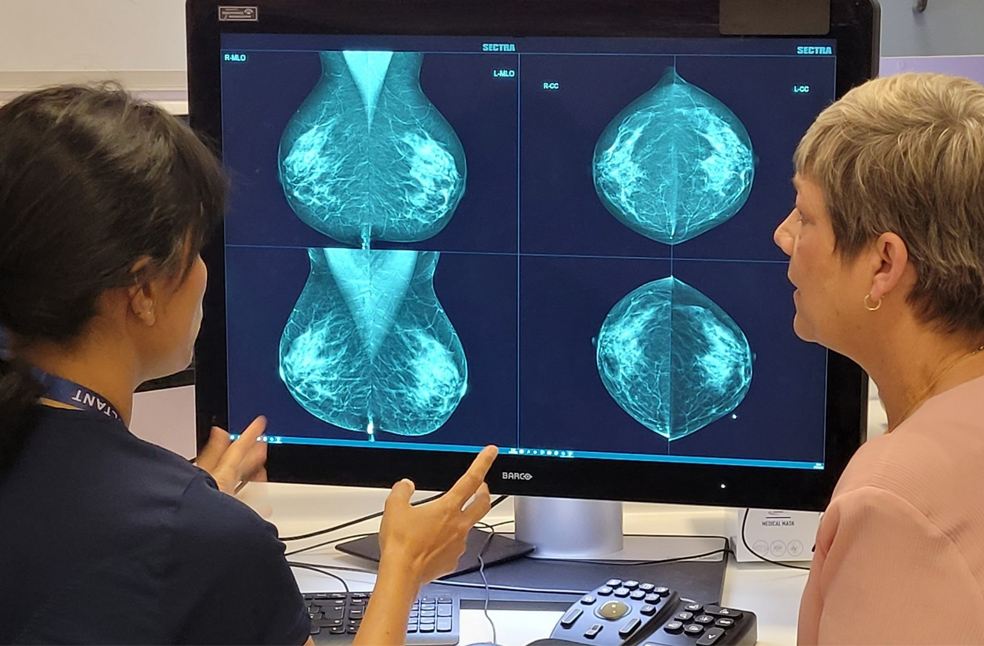
The researchers estimated that if all women under 50 were assessed using BOADICEA, around 26.5 percent would be identified as having an above-average risk and referred for further assessment. This approach would include 34.8 percent of women who go on to develop breast cancer within the next 10 years.
In comparison, the current NICE referral criteria would recommend further assessment for only 1.4 percent of women under 50, identifying just 4.4 percent of those who later develop breast cancer.
According to the researchers, a key reason for this gap is that 73 percent of women under 50 who develop breast cancer within a decade have no family history of the disease, meaning they are unlikely to qualify for additional screening under the existing guidelines.
The study also notes that while hormones such as oral contraceptives and hormone replacement therapy have been associated with a slight increase in breast cancer risk, other factors, including alcohol consumption and obesity, are considered more significant contributors.
Lead author Dr. Juliet Usher-Smith said the findings suggest the NHS should reconsider its referral criteria to reflect broader risk factors rather than relying mainly on family history. However, she acknowledged that expanding eligibility for further assessment would increase pressure on healthcare services and could result in unnecessary investigations and anxiety for some women.
Dr. Sowmiya Moorthie of Cancer Research UK, which funded the study, said any future changes should be implemented in a way that is both accessible and equitable, while also taking into account the potential emotional impact of additional referrals.
Researchers noted that although several breast cancer risk calculators, including BOADICEA, are already available, none provide perfect predictions. Responding to the findings, NICE said it welcomed the research and recognised the potential value of multifactorial risk assessment tools. However, it maintained that the current evidence is not sufficient to justify changes to its breast cancer guidelines at this stage.
The NHS breast cancer screening programme continues to be regularly reviewed by the UK National Screening Committee. Health experts also continue to encourage all women to become familiar with the normal look and feel of their breasts and to consult a healthcare professional promptly if they notice any unusual changes.
ALSO READ | South Korea records hottest temperature since 1904
