



Bunia: The Ebola outbreak in the Democratic Republic of the Congo has reached a critical stage, with humanitarian organisations warning that the disease is spreading faster than response efforts can contain it.
Health officials have now reported more than 1,000 suspected cases and at least 246 deaths, making it one of the most serious Ebola emergencies the country has faced in recent years. Médecins Sans Frontières (MSF) described the situation as ‘deeply alarming’, warning that the outbreak is expanding at an unprecedented rate. Dr Alan Gonzales, MSF’s deputy director, said never before had an Ebola outbreak recorded so many cases so soon after being officially declared.
The outbreak is centred in Ituri Province in eastern DR Congo, an area already affected by years of conflict and displacement. Armed violence, population movements and limited healthcare infrastructure have complicated efforts to trace infections and isolate patients. Humanitarian organisations say access to some affected communities remains difficult, slowing the delivery of medical assistance and protective equipment.
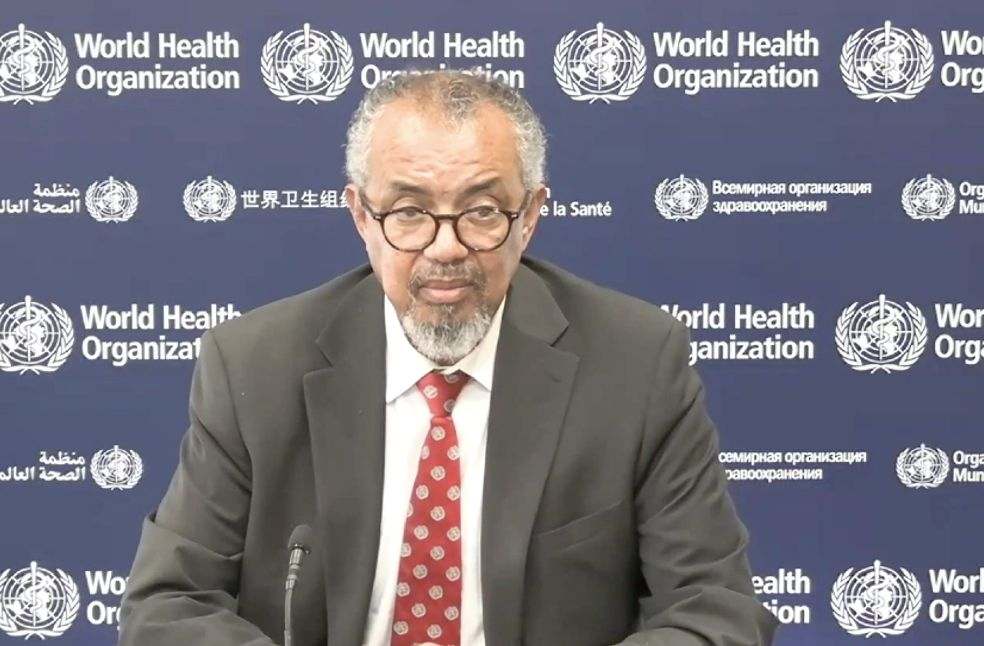
Meanwhile, Tedros Adhanom Ghebreyesus visited the provincial capital Bunia to assess the situation and support local containment efforts. The WHO chief urged communities to play a more active role in preventing transmission, particularly by following safe burial practices. Health experts warn that traditional funeral rituals involving direct contact with bodies remain one of the biggest drivers of Ebola transmission.
Authorities have strengthened screening measures at airports and public facilities across the region. Laboratories in Bunia can now process Ebola test samples locally, significantly reducing delays in diagnosis. Previously, samples had to be transported to Kinshasa, causing critical setbacks in identifying and isolating infected individuals.
The outbreak is being caused by the rare Bundibugyo strain of Ebola, which currently has no approved vaccine or treatment. As scientists race to develop new medical countermeasures, international health agencies continue to stress that rapid testing, contact tracing and community cooperation remain the most effective tools for containing the disease and preventing further loss of life.
POPULAR | Meta pays biggest share in $27m school district settlement
