


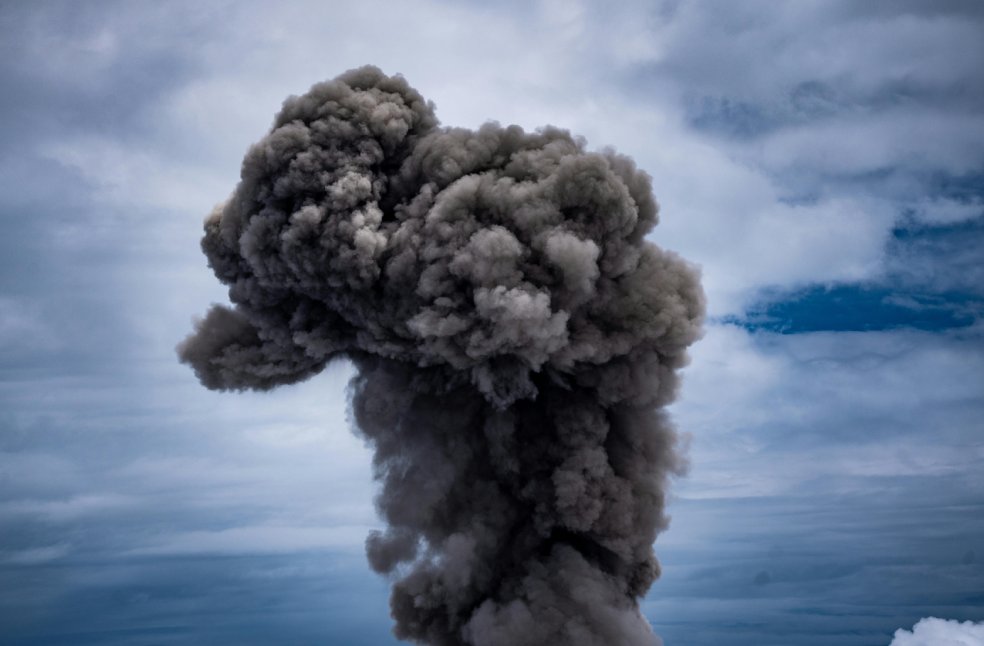
Myanmar: At least 46 people have been killed and dozens more injured after a devastating explosion ripped through a village in Myanmar’s insurgent-controlled Shan State near the Chinese border, according to local rescue teams.
The blast occurred around midday in Kaung Tat village, located in Namkham Township, an area controlled by the Ta’ang National Liberation Army (TNLA), one of the country’s most powerful ethnic armed groups fighting against Myanmar’s military junta.
Rescue workers said six children, including a one-year-old toddler, were among those killed. Three Chinese nationals were also reported among the victims. The bodies of all 46 confirmed dead were cremated, while search and rescue operations are continuing.
Hundreds of homes damaged
The powerful explosion caused widespread destruction, damaging approximately 200 homes in Kaung Tat and another 100 houses in the nearby village of Pan Lone. Around 74 injured residents were transported to Namkham General Hospital for treatment.
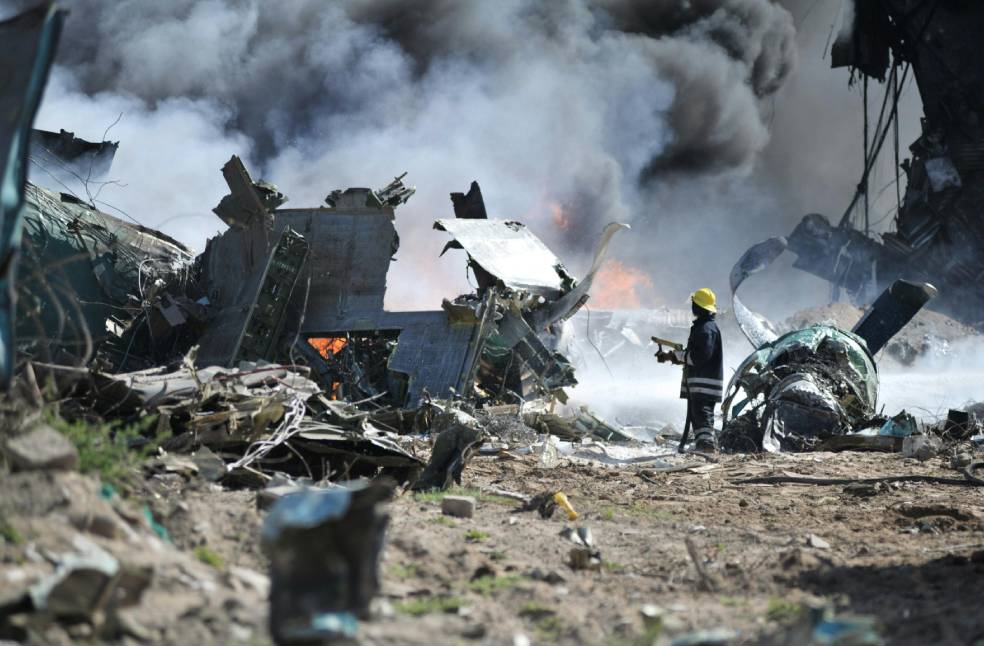
Footage from the scene showed a massive crater surrounded by flattened buildings, charred debris and damaged trees, highlighting the scale of the devastation.
TNLA blames mining explosives
In a statement, the TNLA described the incident as an ‘accidental explosion’ and said explosives stored in a warehouse for local mining operations had ignited.
The facility reportedly contained gelignite, a powerful industrial explosive used in mining activities and stored by the TNLA’s economic department. The group said an investigation is underway to determine what triggered the detonation.
Survivors recount scenes of horror
Residents described scenes of panic and devastation following the explosion. One survivor said many initially believed the blast had been caused by an air strike. The survivor, who suffered minor injuries and lost her home, described people desperately searching for loved ones in the aftermath.
Questions raised over safety
The disaster has sparked concerns about the storage of explosive materials near residential communities. Residents have questioned why a warehouse containing mining explosives was located so close to homes and are demanding a full explanation from authorities.
Myanmar’s conflict-hit regions are heavily dependent on mining activities, with many armed groups using revenues from mineral extraction to fund their operations. Safety standards are often limited, contributing to frequent industrial accidents and mine-related incidents.
The TNLA has pledged to investigate the cause of the explosion as grieving families continue to mourn one of the deadliest accidental blasts in the region in recent years.
MOST READ | Nvidia unveils RTX Spark AI chip for next-generation PC
