


Switzerland: Direct talks between the United States and Iran are set to begin in Switzerland, as renewed tensions in the Middle East threaten to complicate efforts to secure a lasting ceasefire.
The negotiations come despite Iran’s military announcing it had once again closed the Strait of Hormuz, citing continued Israeli attacks in southern Lebanon and alleging that Washington had failed to uphold key commitments under a recently signed peace agreement.
The United States, however, disputed Iran’s claim, with US Central Command (Centcom) stating that commercial shipping continues to move through the strategic waterway. A spokesperson said US forces are closely monitoring the situation and emphasised that Iran does not control the Strait of Hormuz.
High-level delegations arrive in Switzerland
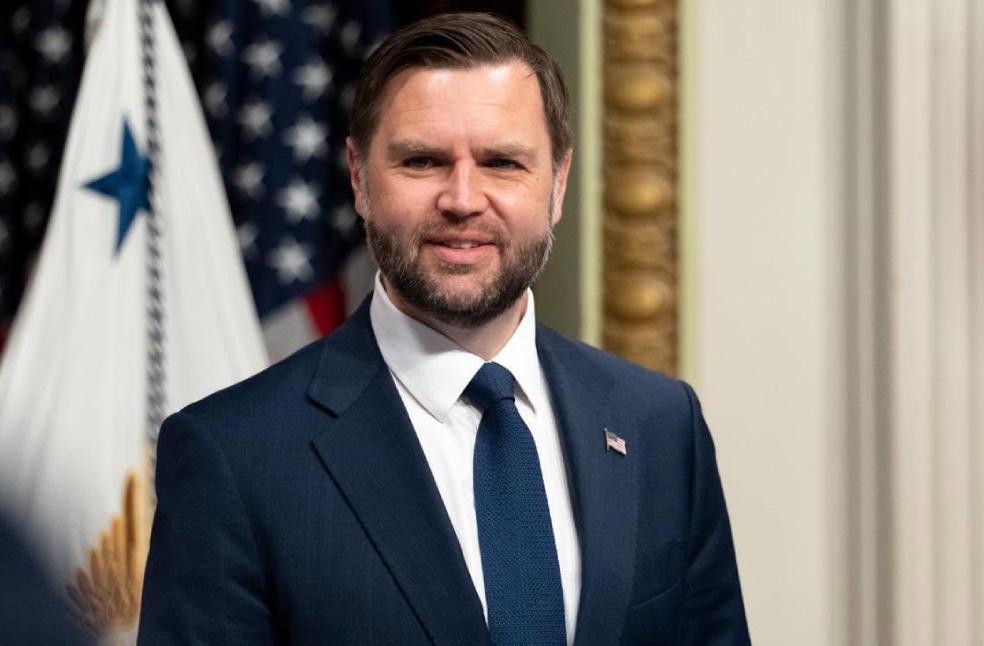
US Vice-President JD Vance arrived in Switzerland ahead of the negotiations, while Iran’s delegation, led by Parliamentary Speaker Mohammad Bagher Ghalibaf and Foreign Minister Abbas Araghchi reached the venue.
The talks will also include Pakistan Prime Minister Shehbaz Sharif and Chief of Army Staff Field Marshal Asim Munir. Pakistan has played a key mediating role throughout the conflict and previously hosted an earlier round of US-Iran negotiations.
Ahead of the meeting, Pakistan’s Foreign Ministry reaffirmed its commitment to supporting the implementation of the understandings reached between Washington and Tehran.
Nuclear issue and Lebanon ceasefire on agenda
Speaking before departing for Switzerland, JD Vance said he hoped the discussions would advance negotiations on Iran’s nuclear programme and reinforce the ceasefire in Lebanon. JD Vance acknowledged that clashes between Israel and Hezbollah had not completely stopped but noted that violence appeared to be easing.
Iranian Foreign Ministry spokesperson Esmail Baghaei said Tehran would demand that the United States fully implement its commitments under the recently signed agreement.
Lebanon fighting continues despite ceasefire
The diplomatic efforts come against the backdrop of continued violence in Lebanon. According to Lebanon’s Health Ministry, at least 47 people were killed in Israeli airstrikes targeting southern Lebanon. The Israel Defence Forces (IDF) said it struck around 80 Hezbollah-linked targets and killed dozens of militants, while also confirming the deaths of four Israeli soldiers.
Although Israel and Hezbollah agreed to an immediate ceasefire, both sides have continued exchanging fire, raising concerns over the durability of the truce. Hezbollah has accused Israel of attempting to undermine the broader US-Iran peace agreement, while Washington has criticized Israel’s ongoing military operations in Lebanon.
Strait of Hormuz dispute raises global concerns
Iran justified its latest announcement to close the Strait of Hormuz by accusing the United States of violating the first clause of a 14-point memorandum of understanding signed earlier this week, which called for the immediate and permanent cessation of military operations across all fronts, including Lebanon.
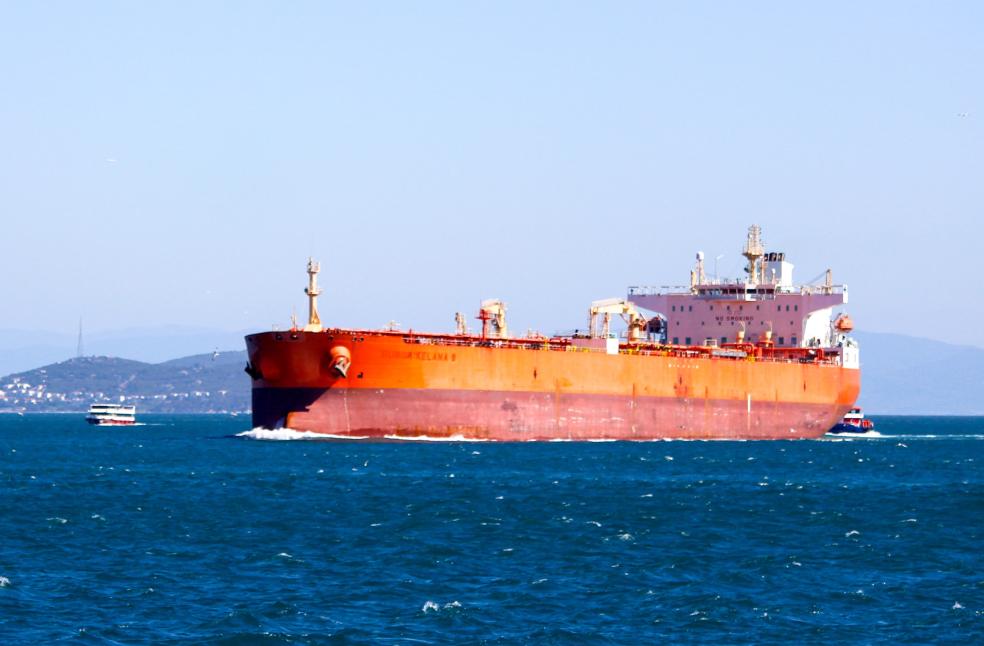
Despite the announcement, US officials insist maritime traffic remains uninterrupted. Centcom reported that 55 merchant vessels carrying more than 17 million barrels of oil transited the strait. However, ship-tracking data indicated that while several tankers successfully passed through, others appeared to reverse course amid uncertainty.
The Strait of Hormuz remains one of the world’s most strategically important maritime chokepoints, handling approximately 20 million barrels of oil and petroleum products each day, representing hundreds of billions of dollars in annual global energy trade.
With negotiations now underway in Switzerland, diplomats face the dual challenge of preserving the fragile ceasefire in Lebanon while preventing further escalation that could disrupt global energy markets and derail the broader US-Iran peace process.
POPULAR | King Charles to reveal personal tax bill in historic transparency move
