


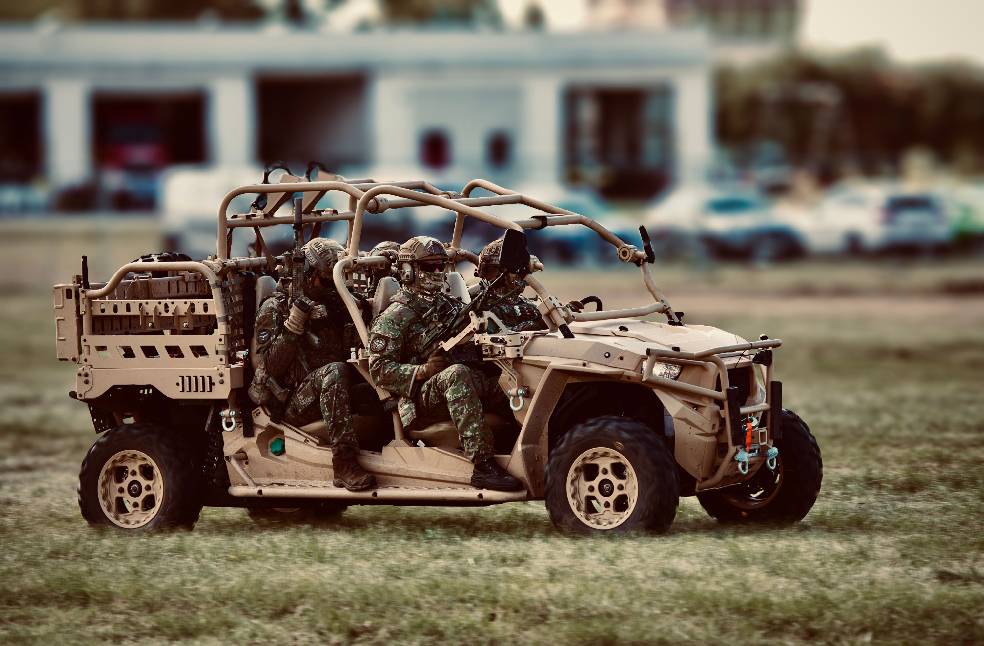
Hebron: Israel has prepared for a possible full lockdown of the occupied West Bank after a Hebron gun battle injured 5 Israeli soldiers, as rising settler violence and military raids.
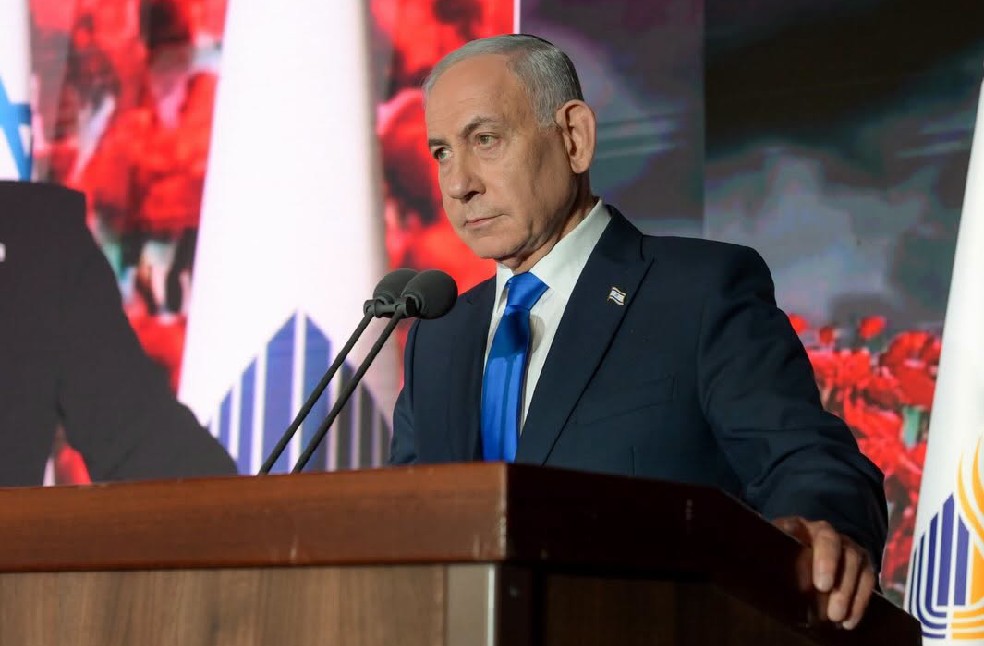
Benjamin Netanyahu, Prime Minister instructed security forces to close Hebron immediately and prepare for a wider lockdown across the West Bank, which the Israeli government refers to as Judea and Samaria. The order followed an Israeli military statement that 2 Palestinian gunmen had been killed after attacking a reserve battalion near the settlement of Telem.
Israeli sources reported that 2 Palestinians travelling in a car displaying an Israeli number plate opened fire towards soldiers near a military checkpoint surrounding Hebron. Israel’s ambulance service reported that 5 soldiers were injured, with 2 in critical condition.
Itamar Ben-Gvir, National Security Minister called for Israel to take full control of the occupied West Bank. Ben-Gvir also urged the dismantling and demilitarisation of the Palestinian Authority and the elimination of Palestinian armed groups, arguing that stronger action was necessary.
The Prime Minister also cancelled several election-related engagements ahead of October 27 Israeli elections. The shooting lasted around 20 minutes, complicating efforts to evacuate the wounded. Israeli forces later arrested 2 Palestinians and imposed restrictions on movement in Hebron.
The developments come as increasing violence by Israeli settlers and soldiers against Palestinians. The Colonization and Wall Resistance Commission noted that it documented 17 attacks on Palestinian farmers and agricultural land on October 22 during the olive harvest.
In the Hebron governorate, troops raided Tuqu and arrested former prisoner Shorok al-Badan along with 5 other people. The commission also reported 14 arrests in Khirbet Jawaya, in the Masafer Yatta area, while Wafa reported 3 additional arrests across the governorate.
Israeli forces also arrested 3 Palestinians during raids in Burin village and Awarta town in the Nablus governorate, and at the Qalandiya refugee camp in the Jerusalem governorate. The commission remarked that the wider pattern of attacks included threats at gunpoint and live fire, undermining Palestinian’s ability to cultivate their land and maintain their livelihoods.
POPULAR | Starbucks China introduces new rules for in-store seating