


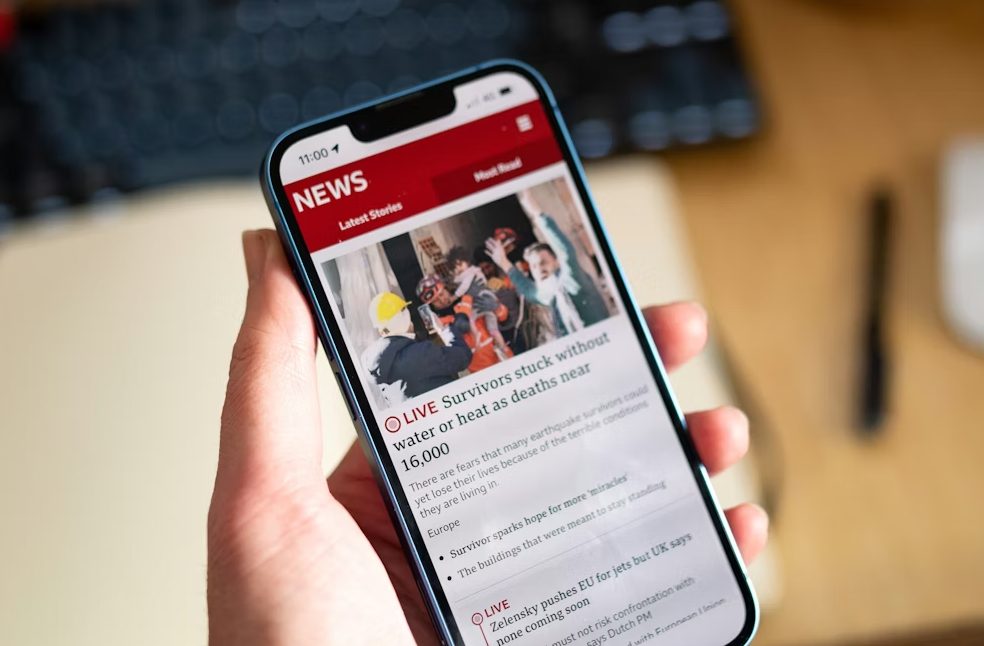
New Delhi: The proposed social media rules in India have sought to expand government oversight to include influencers, podcasters and independent creators who share news and current affairs content online. The changes have been introduced by the Ministry of Electronics and Information Technology as amendments to existing IT regulations.
Under the proposal, individuals who are not officially registered publishers but share news-related content could be brought under a code of ethics that currently applies to recognised media organisations. This has marked a significant shift in how digital content is regulated in the country.
The social media rules have also proposed stricter compliance requirements for platforms such as Facebook, YouTube and X. Companies may be required to follow government orders more closely to retain ‘safe harbour’ protection, which shields them from liability for user-generated content.
Supporters of the proposal have stated that the changes are intended to curb misinformation, hate speech and the spread of deepfakes online. Authorities have argued that the updated rules will strengthen existing frameworks and improve accountability across digital platforms.

However, critics have raised concerns that the expanded social media rules could give the government greater control over online speech. Digital rights activists and independent journalists have warned that the measures could be used to limit dissent and enforce stricter content moderation aligned with state directives.
Concerns have also focused on the potential impact on independent news creators, who may face additional compliance burdens or restrictions under the proposed framework. Observers have noted that the changes could affect how news and political discussions are shared across platforms.
The government has invited public feedback on the proposed amendments until April 14, indicating that further revisions may be considered before final implementation.
The debate around the social media rules has highlighted the ongoing tension between regulating online content and preserving freedom of expression in an increasingly digital media landscape.
TOP PICKS | US Iran talks set in Pakistan as Vance leads delegation
