


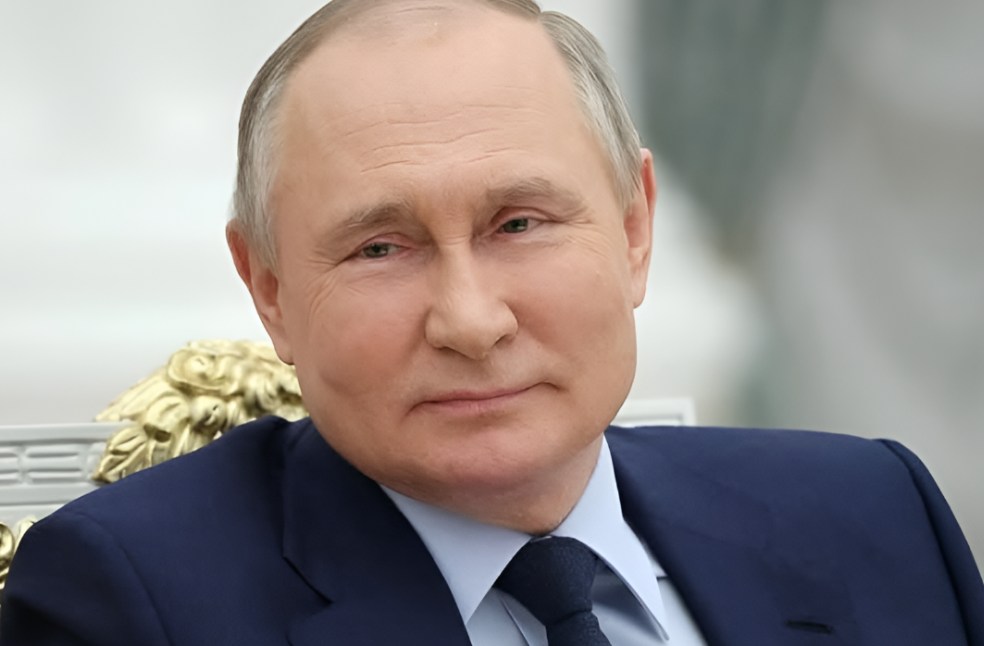
Moscow: Russia has declared a temporary 32-hour ceasefire to mark Orthodox Easter, with Ukraine confirming it will honour the pause despite continued hostilities on the ground.
The announcement, made by Vladimir Putin, signals a brief halt in fighting during one of the most significant religious holidays observed in both countries. According to the Kremlin, the ceasefire will begin at 4pm Moscow time on April 11 and continue until midnight on April 12, covering the Easter period. Russian Defence Minister Andrei Belousov instructed Chief of the General Staff Valery Gerasimov to suspend military operations, while maintaining readiness to respond to any violations.
Ukrainian President Volodymyr Zelenskyy welcomed the move, reiterating that Kyiv had previously proposed a similar ceasefire. In a message shared on Telegram, Zelenskyy emphasised the need for a peaceful Easter, stating that Ukraine is prepared for reciprocal steps and hopes the pause could extend beyond the holiday period.
Ukraine has repeatedly stated that we are ready for symmetrical steps. We proposed a ceasefire during the Easter holidays this year and will act accordingly. People need an Easter free from threats and real movement toward peace, and Russia has a chance not to return to strikes…
— Volodymyr Zelenskyy / Володимир Зеленський (@ZelenskyyUa) April 9, 2026
However, violence has persisted despite the announcement. Regional authorities in eastern Ukraine reported continued shelling, with Dnipropetrovsk governor Oleksandr Ganzha saying Russian forces carried out nearly 30 drone and artillery attacks, resulting in at least two deaths.
The latest ceasefire mirrors a similar attempt last year, which quickly collapsed as both sides accused each other of violations. Analysts remain cautious about the effectiveness of such short-term pauses, given the ongoing intensity of the conflict.
Meanwhile, broader diplomatic efforts to end the war remain stalled, with global attention increasingly shifting to tensions in the Middle East. Kremlin spokesman Dmitry Peskov confirmed that Moscow had not coordinated the Easter ceasefire proposal with the United States, nor were there immediate plans to resume trilateral peace talks.
Despite the lack of progress on negotiations, limited humanitarian cooperation continues. Recent exchanges of soldiers’ remains highlight one of the few remaining channels of communication between the two sides, often facilitated by Turkey. In the latest exchange, Russia returned the remains of 1,000 Ukrainian soldiers in exchange for 41 Russian bodies.
Zelenskyy warned that Ukraine faces mounting challenges in the months ahead, both militarily and diplomatically. Zelenskyy indicated that the spring and summer period could be particularly difficult, as Kyiv navigates sustained battlefield pressure and shifting priorities among international allies.
The temporary ceasefire, while symbolically significant, underscores the fragile nature of any pause in the conflict, with both sides remaining deeply entrenched and wary of long-term commitments toward peace.
TRENDING | McLaren secures key Red Bull Engineer Gianpiero Lambiase
