


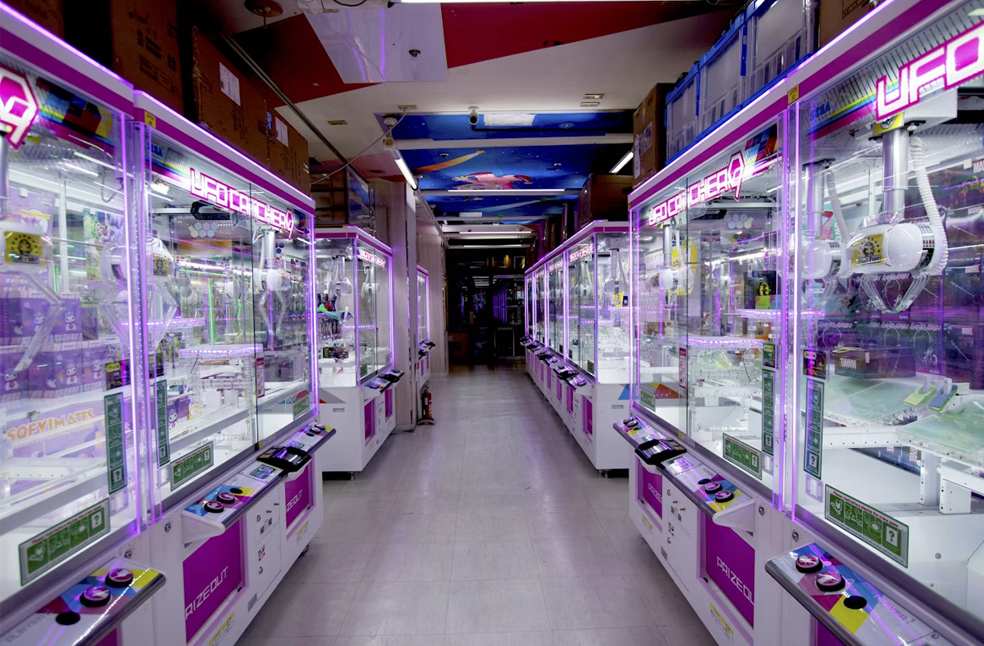
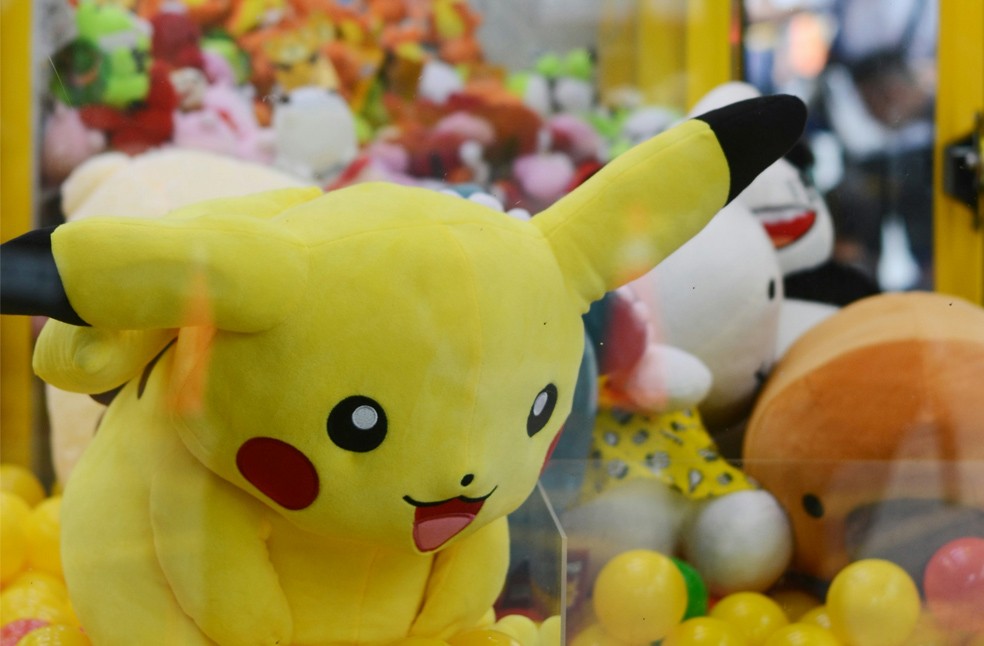
Hong Kong: Claw machine arcades have become a growing feature of Hong Kong’s shopping centres and commercial districts, with more than 2,500 outlets now operating across the city.
Many have taken over vacant retail spaces left behind after businesses closed during the COVID-19 pandemic, offering visitors around-the-clock access to games featuring plush toys, Labubu dolls and Pokémon collectibles.
The machines have attracted a wide range of players, from casual visitors seeking entertainment to collectors hoping to win rare items with resale value. Their popularity has also created a small business opportunity, with some enthusiasts renting machines and operating their own prize stalls.
The rapid expansion of claw machine venues has also drawn regulatory attention. In May, Hong Kong’s Home and Youth Affairs Bureau proposed introducing stricter measures, including warnings about the potential risk of addiction.
The move comes after a 2022 court ruling exempted claw machines from public entertainment licence requirements, leaving the industry largely unregulated.
Consumer complaints have increased sharply in recent years. According to Hong Kong’s Consumer Council, complaints rose from 16 in 2023 to 138 in 2025, with players alleging that some operators modify machines by narrowing prize chutes or adjusting settings to reduce the chances of winning.
Despite these concerns, claw machines remain a popular and relatively affordable form of recreation. Many residents view them as a simple way to unwind after work or school, while the growing variety of prizes and the excitement of winning continue to fuel demand. For some operators, the machines have also become a way to foster community interaction by creating welcoming spaces centred on fun and shared experiences.
While the claw machines remain a popular source of affordable entertainment and collectible prizes, increasing complaints and proposed regulations highlight the need for greater transparency and oversight as the industry continues to evolve.
ALSO READ | SpaceX rocket stage hits Moon; May form new crater
